

Global Hepatitis B Prevalence in Children Falls Below 1% Milestone
Global hepatitis B prevalence in children has dropped below 1%, but pandemic-related service disruptions threaten to reverse progress and increase long-term…
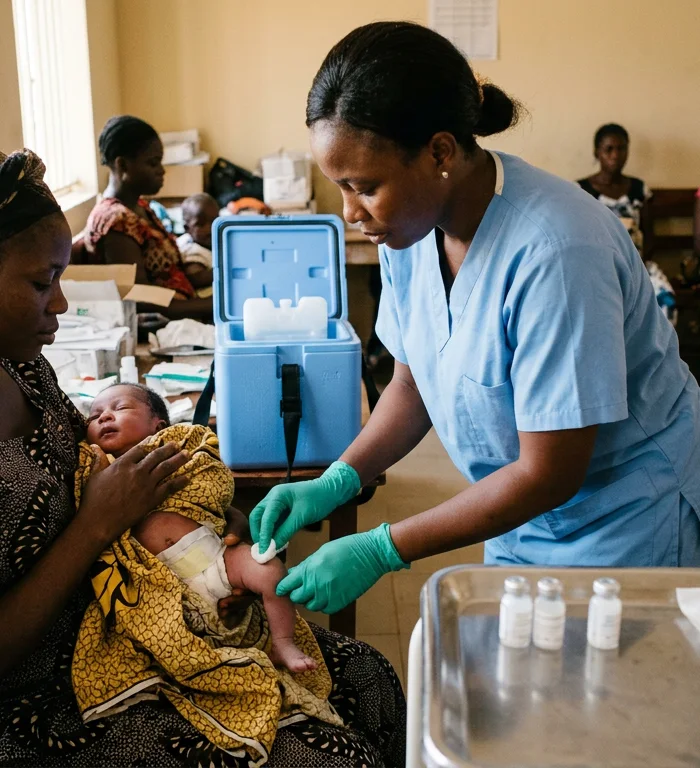
Global prevalence of chronic hepatitis B (HBV) in children under five years of age has declined to below 1%, meeting a key Sustainable Development Goal target. This reduction, down from approximately 5% in the pre-vaccine era, is attributed to the widespread scale-up of childhood immunization programs. Despite this progress, 250 million people globally remain infected with chronic HBV, which contributes to nearly 900,000 deaths annually.
While global coverage for the three-dose HBV vaccine series reached 85% in 2019, the administration of the critical birth dose remains inconsistent. Coverage for the birth dose is currently 43% globally, with significantly lower rates of 34% in the Eastern Mediterranean and 6% in the African regions. Expanding access to this timely birth dose is identified as the primary strategy for preventing mother-to-child transmission.
This intervention is considered cost-effective
New clinical guidance now recommends that pregnant women testing positive for HBV with high viral loads receive tenofovir prophylaxis from the 28th week of pregnancy. This intervention is considered cost-effective, with treatment costs often falling below $3 per month. These measures are part of a broader "triple elimination" initiative targeting the vertical transmission of HIV, syphilis, and HBV.
Public health officials warn that the COVID-19 pandemic poses a significant risk to these gains. Modeling indicates that substantial disruptions to vaccination programs could result in 5.3 million additional chronic HBV infections among children born between 2020 and 2030. Failure to maintain immunization schedules and prenatal screening services is projected to lead to 1 million additional HBV-related deaths in future cohorts.
More stories
- Dietitians advise small swaps for plant-based eating
- TikTok dementia videos mislead in 66.4% of sample, researchers say
- Aberdeen Royal Infirmary faces police inquiry call over 19 deaths
- Bariatric surgery group loses 28.2% after GLP-1 use
- TOFA boosts mouse energy use 18% while preserving muscle
- ICO probes NHS therapy notes accessible to up to 140,000 staff
Latest news
- David Parr House to honor Victorian art-workman with blue plaque
- Iran's attacks hit 25 tankers near Strait of Hormuz
- FCC approves prison cellphone jamming despite 2.5-mile warning
- Russia strikes Ukraine as Odesa faces electricity strain
- Bahrain reports two injuries after Iranian aerial attacks
- Congress tests Black Democrats' growing policy influence
- Baltic responders fight Sparta II fire after drone strike
- Europe faces attribution gap after 16 cyber, physical incidents