

Southeast Asia Faces Structural Barriers to Global Electrification Targets
Southeast Asia’s electrification progress is hindered by heavy coal reliance and grid constraints, even as rising energy import costs drive a strategic shift…
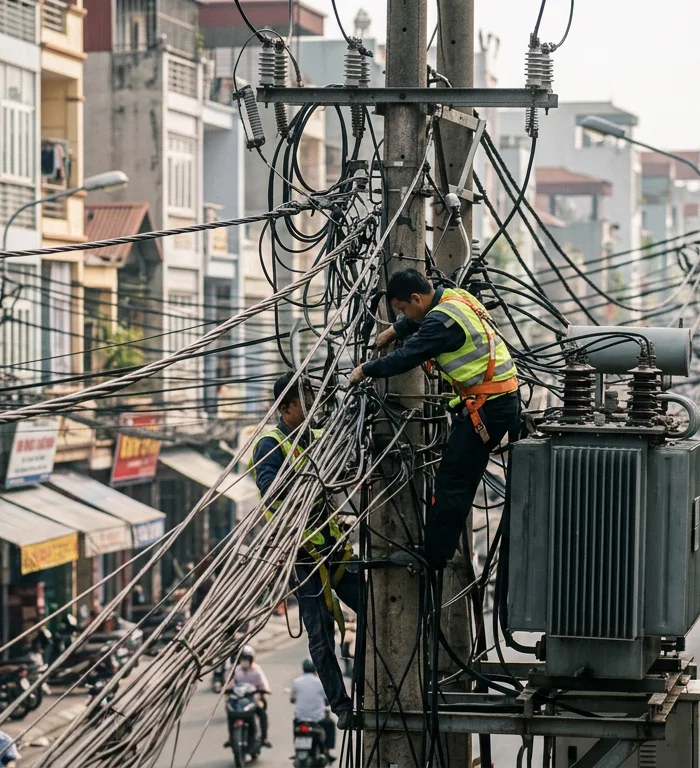
Southeast Asia’s transition toward increased electrification is currently driven by rising demand for air conditioning and industrial activity rather than a systemic displacement of fossil fuels. While the region’s electricity consumption share stands at 25%, exceeding the 23% global average, coal continues to account for nearly 50% of regional power generation. This reliance on carbon-intensive sources complicates the implementation of the COP31 “35-by-35” Global Electrification Pledge, which aims to raise electricity’s share of total energy consumption to 35% by 2035.
Political friction persists regarding the adoption of these targets. Several developing nations in the region have expressed reservations about global mandates that fail to account for specific national economic circumstances and existing infrastructure constraints. Vietnam, among others, has cautioned against sector-specific obligations, highlighting the ongoing tension between international climate commitments and domestic development priorities.
Current projections suggest that under existing policies
Grid limitations and inconsistent national policies remain significant hurdles to scaling electrification. Current projections suggest that under existing policies, the region’s electrification share will reach only 32% by 2035, falling short of the 41% threshold required for more ambitious climate scenarios. Achieving this higher target necessitates substantial capital investment in renewable energy generation and modernized grid infrastructure to manage increased load.
Economic factors are increasingly influencing energy policy as governments seek to mitigate exposure to volatile global fuel markets. With the region’s energy import bill projected to reach approximately $160 billion in 2026, there is a growing strategic imperative to reduce dependence on imported crude oil, particularly from the Middle East. Policymakers are now evaluating domestic energy production and technological shifts as a means to enhance national energy security and stabilize trade balances. The transition is no longer viewed solely as a climate objective but as a critical component of long-term economic resilience.
More stories
- Singapore core inflation eases to 1.5% in October
- Greece targets 2.3% growth in 2027 budget
- US stocks face Goldman warning on further forced selling
- Bitcoin falls below $57,742 as investors seek other bets
- Nvidia SEC probe examines chipmaker’s accounting issues
- Rwanda women-owned exports fall 51% from 2021 peak
- Kenya women farmers out-earn men by 18% per hectare
- Investors value Anthropic at $2 trillion on Nasdaq debut
- Volkswagen restructuring widens as workers protest job cuts
- Iran says Strait of Hormuz can reopen within seven days
Latest news
- Nigeria's family-planning budget falls 97%
- Peter Attia reviews cold therapy claims on longevity
- Social Security raises 2027 benefits 3.6%
- Hull City 2–0 Brighton: When Resilience Beat Reputation
- David Parr House to honor Victorian art-workman with blue plaque
- Iran's attacks hit 25 tankers near Strait of Hormuz
- FCC approves prison cellphone jamming despite 2.5-mile warning
- Russia strikes Ukraine as Odesa faces electricity strain