

Pakistan and Afghanistan Engage in Sustained Cross-Border Military Conflict
Pakistan and the Afghan Taliban have shifted from long-term allies to active military adversaries, with ongoing cross-border strikes destabilizing the region…
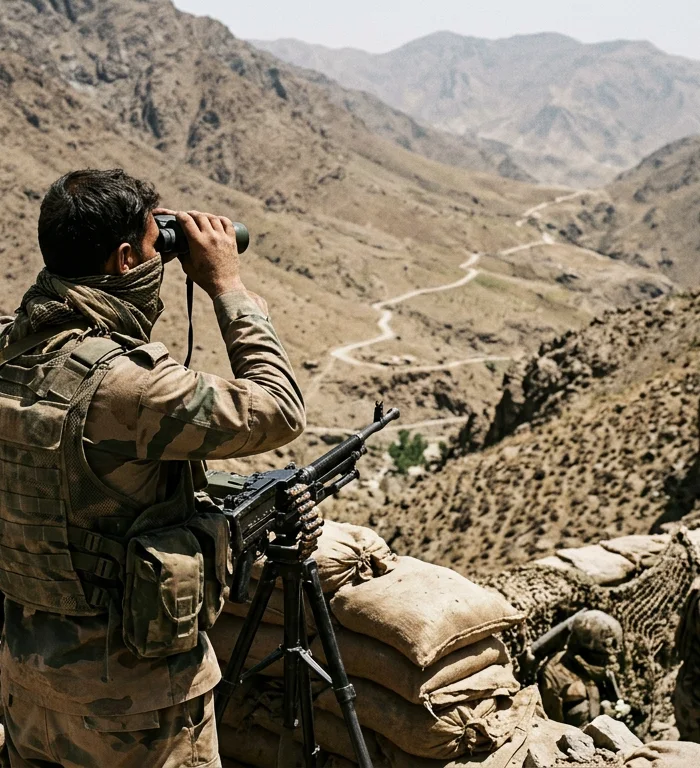
Pakistan and Afghanistan have entered a period of sustained military hostility following a series of cross-border strikes initiated in February 2026. The conflict escalated after Pakistan launched Operation Ghazab Lil-Haq, targeting suspected Tehreek-e-Taliban Pakistan (TTP) and Islamic State of Khorasan Province (ISKP) camps within Afghan territory. The Afghan Taliban regime responded with direct strikes against Pakistani border installations, marking a significant departure from the long-standing strategic alignment between the two entities.
This shift in regional security dynamics represents a collapse of the historical partnership that persisted for over three decades. The Pakistani government has characterized the current situation as an open conflict, citing the failure of the Afghan Taliban to curb militant activity originating from its territory. Despite the historical support Pakistan provided to the Taliban during its rise to power in 2021, the current security environment is defined by mutual military aggression and a breakdown in diplomatic cooperation.
While the frequency and intensity of direct military
While the frequency and intensity of direct military engagements have moderated since the initial escalation, sporadic strikes continued through September 2026. Chinese mediation efforts have been instrumental in preventing a total collapse of regional stability, though these interventions have not resulted in a cessation of hostilities. The persistence of TTP-led attacks within Pakistan remains a primary driver of the ongoing military posture.
For policymakers, the situation indicates a significant realignment of regional security risks. The inability of the Afghan Taliban to manage militant groups operating within its borders has forced Pakistan to adopt a unilateral, kinetic approach to border security. Future developments will likely depend on the efficacy of ongoing mediation and the ability of the Afghan regime to address Pakistan’s security concerns regarding the TTP. The current state of affairs suggests a prolonged period of volatility along the border, with potential implications for regional trade and security architecture.
More stories
- Germans oppose Ukraine aid as poll shows support slipping
- Kim Jong-un receives 10 envoys after constitutional shift
- Ukraine claims Libya strike sinks Russian naval corvette
- COP31 climate talks collapse over fossil fuels and funds
- Russian military faces 1,087 recorded suicides in Ukraine war
- US faces China, Russia in Africa minerals contest
- Iran's attacks hit 25 tankers near Strait of Hormuz
- Russia strikes Ukraine as Odesa faces electricity strain
- Guinea-Bissau halts hepatitis B trial involving 14,000 babies
- Burnham's G20 plans exclude Putin from Manchester summit
Latest news
- Trump prepares tariffs on China and other major exporters
- New-car buyers pay record average $50,087 in October
- Banks face ECB reserve debate over liquidity and profits
- Investors see Anthropic debut gains fade below $83 a share
- Iraq orders federal control over Kurdish-area oilfields
- Nvidia shares retreat as AI rally cools before PCE data
- Macy’s parade faces balloon limits as storm winds approach