

Guinea-Bissau halts hepatitis B trial involving 14,000 babies
The US-funded project drew WHO and expert criticism over a delayed-vaccination arm before police seized vaccine batches in Bissau.
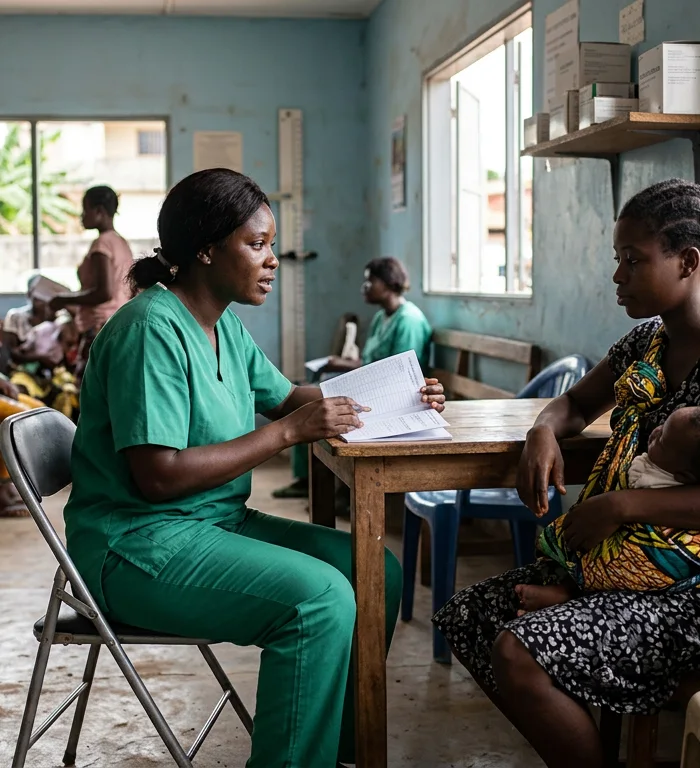
Guinea-Bissau halted a US-funded hepatitis B vaccine trial involving about 14,000 babies, Al Jazeera reported in a Nov. 5 news article, after a researcher said it lacked required government approval.
The halt matters because WHO recommends hepatitis B shots at birth, while one study arm would have delayed vaccination until six weeks in a country where one-fifth of 2.2 million people live with hepatitis B.
Bandim Health Project researcher Frederik Schaltz-Buchholzer said the trial would not proceed. “It is now clear that the hepatitis B-NSE trial will not move forward in Guinea-Bissau – we were not given the necessary governmental approval,” he said in a LinkedIn post cited by Al Jazeera.
Guinea-Bissau officials have not commented, according to the report. The country’s judicial police said in mid-October that they raided Bandim facilities in Bissau and took vaccine batches as part of inquiries into whether the project met national safety standards.
Magda Robalo, a former Guinea-Bissau health minister, told Al Jazeera the researchers had exploited weak local research capacity. “It is unethical to deny children an intervention that we know works, that will contribute to improving their lives and save them from a disease that we know they will likely acquire,” she said.
The trial was designed to compare babies vaccinated at birth with babies randomly assigned to receive the shot six weeks later, with researchers planning to monitor health outcomes for five years. The project received $1.6 million from the US Centers for Disease Control and Prevention, according to Al Jazeera.
WHO called the planned study “unethical,” Al Jazeera reported. Hepatitis B can be passed from mother to infant, has no cure and can cause long-term liver damage and cancer; WHO recommends vaccination at birth followed by booster shots.
The research was led by the Bandim Health Project, a Bissau-based Danish group linked to the University of Southern Denmark. It is chaired by Christine Stabell Benn and Peter Aaby, who have studied unintended vaccine effects in Guinea-Bissau since 1978.
The researchers denied wrongdoing. In a joint statement cited by Al Jazeera, Benn and Aaby said they were not testing whether the vaccine prevents hepatitis B, but “whether the prevention [of the disease] comes at a prohibitive price,” including death and other health outcomes.
They argued Guinea-Bissau’s plan to begin birth-dose hepatitis B vaccination for all babies from 2028 created a “unique window of opportunity” to compare birth vaccination with later vaccination. Critics said that design would deprive some infants of protection they should receive.
Guinea-Bissau launched a review with Africa CDC and WHO in January after the trial was announced in December. Health Minister Quinhin Nantote denied a report that the government had approved an updated proposal, according to Al Jazeera.
More stories
- AVPA sees Africa risk-capital gap despite $4tn in assets
- Frankfurt violence splits Merz coalition after 100 police injured
- Eisenkot wins 67 endorsements for Israel mandate
- Burnham's G20 plans exclude Putin from Manchester summit
- Emirates profit falls 66% as fuel costs rise
- Repeated bomb threats disrupt flights across Europe again
- Venezuela protests seek elections as vote dates stay unset
- Xizang earthquake blocks highway as crews build shelters