

Newborn Vitamin K Refusal Rates Rise Amid Increased Infant Bleeding Risks
Rising refusal rates for newborn vitamin K injections have led to a significant increase in infant bleeding cases, driven by public health messaging…
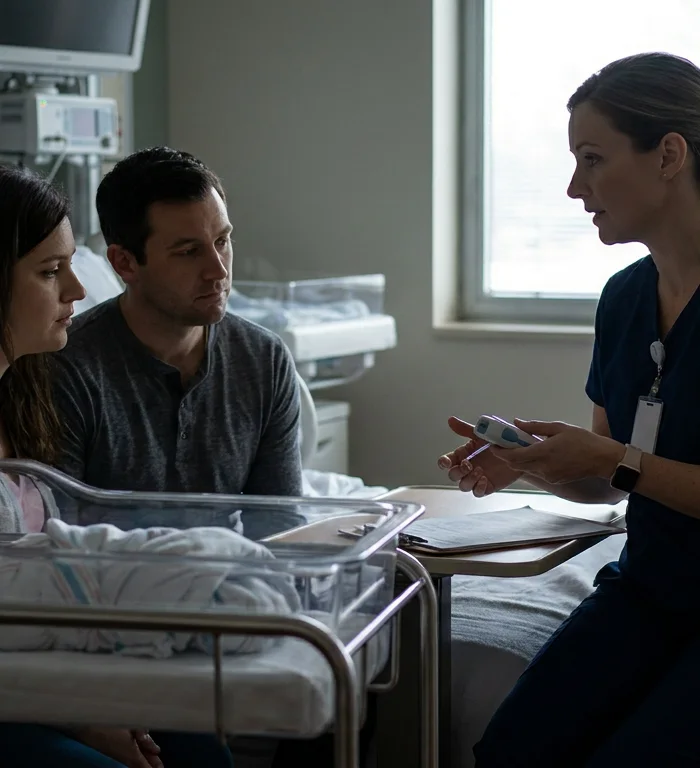
Refusal rates for newborn vitamin K injections in the United States have more than doubled since 2017, rising from 3.1% to 6.8% by 2025. Recent data indicate this trend is accelerating, with refusal rates increasing by an additional 57% between January and June 2026. This decline in administration correlates with a nearly fourfold increase in cases of vitamin K deficiency bleeding (VKDB) among infants.
Clinical data covering approximately 11 million births demonstrate that infants who do not receive the prophylactic injection face a 47% higher risk of general bleeding and more than double the risk of intracranial hemorrhage. While the injection is a nutrient supplement rather than a vaccine, it is highly effective, reducing the risk of late-onset VKDB by approximately 98%. The condition can manifest up to six months post-birth and is frequently fatal if left untreated.
Public health experts attribute the rising refusal rates to a confluence of factors, including broader vaccine hesitancy, the proliferation of medical misinformation on social media, and confusion regarding the nature of the injection. The misclassification of the nutrient shot as a vaccine has contributed to parental avoidance of routine neonatal care.
Institutional governance challenges have further complicated public health messaging. Conflicting guidance from federal health agencies, including the Department of Health and Human Services and the Centers for Disease Control and Prevention, has undermined established clinical recommendations from the American Academy of Pediatrics. The lack of consistent, unified messaging from federal leadership regarding the safety and necessity of the injection has exacerbated parental distrust in standard medical protocols. Policymakers should monitor the potential for increased pediatric morbidity and the long-term strain on neonatal intensive care resources as these refusal rates continue to climb.
More stories
- Dietitians advise small swaps for plant-based eating
- TikTok dementia videos mislead in 66.4% of sample, researchers say
- Aberdeen Royal Infirmary faces police inquiry call over 19 deaths
- Bariatric surgery group loses 28.2% after GLP-1 use
- TOFA boosts mouse energy use 18% while preserving muscle
- ICO probes NHS therapy notes accessible to up to 140,000 staff
- Plant-based dairy swaps may lower iodine intake
- Adults 50 to 64 reach 7.5% heavy-drinking rate
Latest news
- David Parr House to honor Victorian art-workman with blue plaque
- Iran's attacks hit 25 tankers near Strait of Hormuz
- FCC approves prison cellphone jamming despite 2.5-mile warning
- Russia strikes Ukraine as Odesa faces electricity strain
- Bahrain reports two injuries after Iranian aerial attacks
- Congress tests Black Democrats' growing policy influence
- Baltic responders fight Sparta II fire after drone strike
- Europe faces attribution gap after 16 cyber, physical incidents