

Western Cape vineyards use conservation to guard soil and water
A 107-vineyard review says growers are using cover crops, native vegetation and targeted pest controls as drought, heat and erratic rain squeeze production.
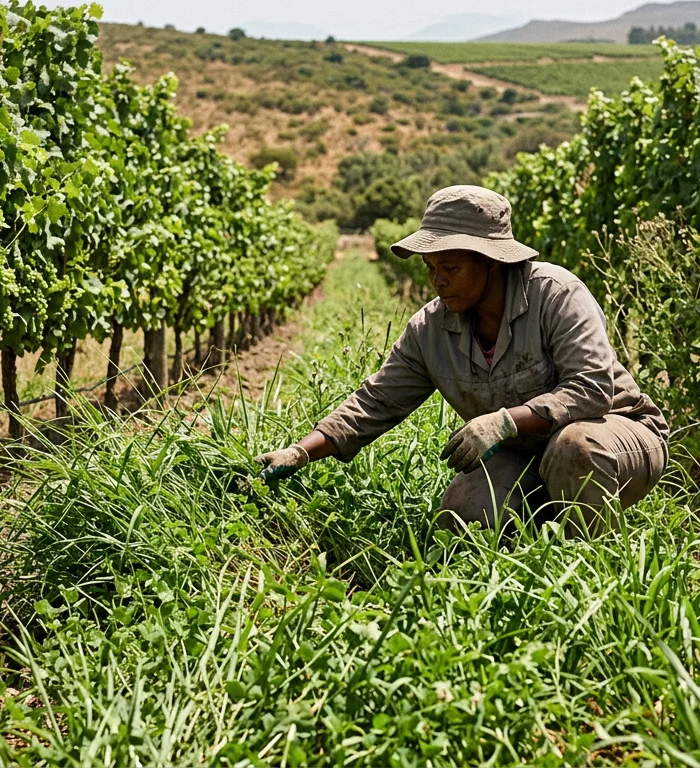
Western Cape winegrowers are using conservation practices across a 107-vineyard review to adapt to harsher climate conditions, researchers said in a Nov. 13 article for The Conversation – Africa.
The stakes are national: the Western Cape produces about 90% of South Africa’s wine, while regional temperatures rose 1.5 to 2 times faster than the global average over the past five decades.
The researchers said they spoke with growers, conservation practitioners and wine-industry experts, and assessed 107 vineyards, about 20% of the total, to examine sustainable land stewardship in South Africa’s main wine region.
Their central finding was that many producers do not treat conservation as land lost to farming. Instead, the article said growers increasingly view healthy soil, water security and habitat protection as part of keeping vineyards productive.
Practices described in the article include restoring indigenous vegetation along waterways, clearing alien species, reducing erosion near wetlands and rivers, and planting cover crops, which are plants grown between vine rows to improve soil and limit runoff.
Some vineyards are also using compost, mulching and closer pest monitoring to cut broad pesticide use, the researchers said. Cows grazing between vines can add natural fertilizer and work organic material into the ground, according to the article.
The shift builds on existing wine-industry systems. Most South African vineyards participate in Integrated Production of Wine, a certification system created in 1998 that sets environmental standards and uses independent audits for participating farms and wineries.
The Western Cape’s conservation stakes extend beyond wine. The region includes the Cape Floral Region, a biodiversity hot spot whose fynbos vegetation contains endemic plant species such as proteas, ericas and restios.
The approach is not cost-free. The article said cover crops require maintenance and can create habitat for pests, while chemical treatments remain part of many vineyard operations. Growers also described pressure from export, labour and chemical costs, as well as market uncertainty.
South Africa’s vineyard area has declined as drought, climate stress and profitability concerns rise, the article said. Several growers reported diversifying business models or changing crops to cope with hotter and drier conditions.
Source: article, The Conversation – Africa, Nov. 13, 2026
More stories
- Monrovia mayor-designate seeks $14.5m city budget
- Iran's attacks hit 25 tankers near Strait of Hormuz
- Russia strikes Ukraine as Odesa faces electricity strain
- Bahrain reports two injuries after Iranian aerial attacks
- Baltic responders fight Sparta II fire after drone strike
- Estonia to close 5 Russia road crossings for six months
- Kallas warns Russia seeks to redirect Ukraine talks
- Europe to join next Ukraine talks, Kushner says
- French unions call more protests after nationwide marches
- CENTCOM reportedly readies Iran strike options after Nov. 3 polls
Latest news
- Nvidia board gets Trump input on Jensen Huang return as CEO
- Rwanda faces budget strain from 85% electricity access push
- ICE arrests at Seattle airport draw protests and scrutiny
- AI doubts leave Asian stocks facing a new investment test
- EU rejects COP31 deal as fossil fuel divisions block pact
- Deal Sheet: Fortis shutdown costs over 400 jobs
- Germany to pay about $11 a month into child pension accounts
- Laura Brand curbs prison messages after YouTube dispute