

Southern California universities provided Cadavers for navy medical training
USC and UCSD have provided cadavers to the U.S. Navy for military surgical training, including for Israeli personnel, raising concerns among donor families.
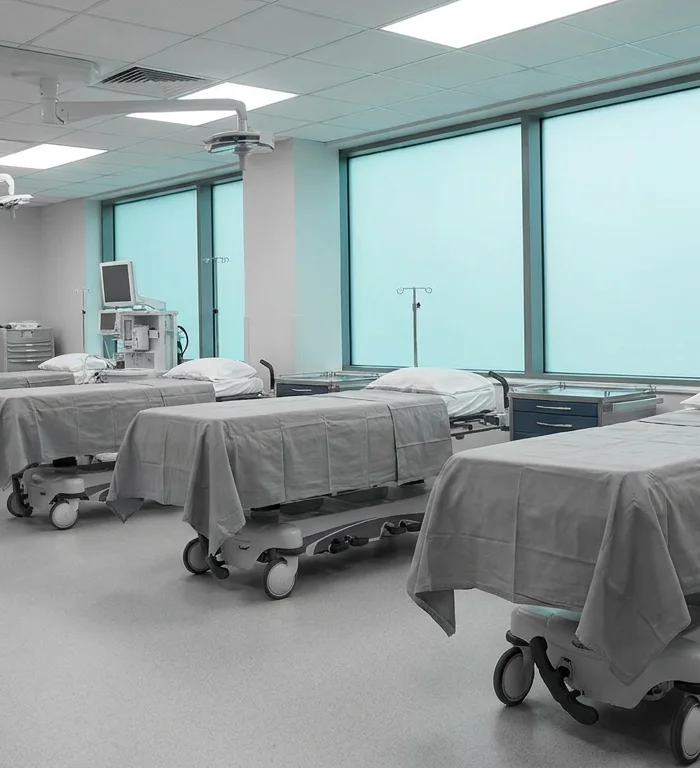
The University of Southern California and the University of California, San Diego have supplied human cadavers to the U.S. Navy for a combat trauma surgery skills course, including sessions attended by Israeli military medical personnel. The programme has operated for years, with records showing cadavers supplied since 2018 and Israeli military medics participating as early as 2013. The training uses donated bodies to simulate battlefield injuries in an intensive surgical course.
USC supplied at least 89 “fresh cadavers” from 2018 under agreements tied to training for U.S. Navy and Israeli military personnel, according to records cited in the report. A 2020 medical paper co-authored by USC and Navy instructors described a four-day course for Israeli military forward surgical teams.
The paper said the course used a technique described as “reanimating” cadavers through perfusion, a method that pumps simulated blood through the body to mimic active bleeding. Participants trained on scenarios including gunshot wounds and blast trauma, the report said.
Records show transfers from UC San Diego
A student investigation that began in 2025 found UC San Diego transferred 124 bodies to USC between 2024 and early 2026 for the programme, the report said. The investigation focused on how body donations intended for education and research were ultimately used in military-linked training.
Both universities described the programme as “educational” and denied it constitutes “military training,” according to the report. USC also described the Israeli medical personnel as “noncombatants,” the report said.
Family concerns and Navy description of the course
Some donor families said they were distressed to learn donated remains may have been used for military surgical training, the report said. The U.S. Navy said simulated injuries were created using “surgical” techniques to provide a “high-fidelity, hyper-realistic training environment.”
Questions about consent and disclosure are likely to keep attention on how universities describe the end use of donated bodies and how military-linked medical training programmes are structured and overseen.
More stories
- Eisenkot secures first coalition deal but lacks majority
- Germans oppose Ukraine aid as poll shows support slipping
- Kim Jong-un receives 10 envoys after constitutional shift
- Ukraine claims Libya strike sinks Russian naval corvette
- COP31 climate talks collapse over fossil fuels and funds
- Russian military faces 1,087 recorded suicides in Ukraine war
- Trump: Iran Deal Draft Includes Clear Nuclear Restrictions
- French navy, UK back Tagor interception amid sanctions push
Latest news
- Morocco targets 2030 World Cup final with new stadium bid
- Barclays puts AI bust risk at center of US growth debate
- US inflation reaches 3.8% before December Fed rate meeting
- Türkiye Desk: GTA 6 drains UK mobile spend as Turkish studios feel pressure
- Global stocks fall 0.4% as tariffs and US inflation loom
- CIA hack affects unclassified data; scope remains unclear
- Trump prepares tariffs on China and other major exporters
- New-car buyers pay record average $50,087 in October