US troop killed in Iraq handling downed Iran drone, Centcom says
A U.S. service member was killed in northern Iraq during a controlled detonation of unexploded ordnance from a downed Iranian drone, CENTCOM reported.
Omar Farouk ·
# US troop killed in Iraq handling downed Iran drone, Centcom says
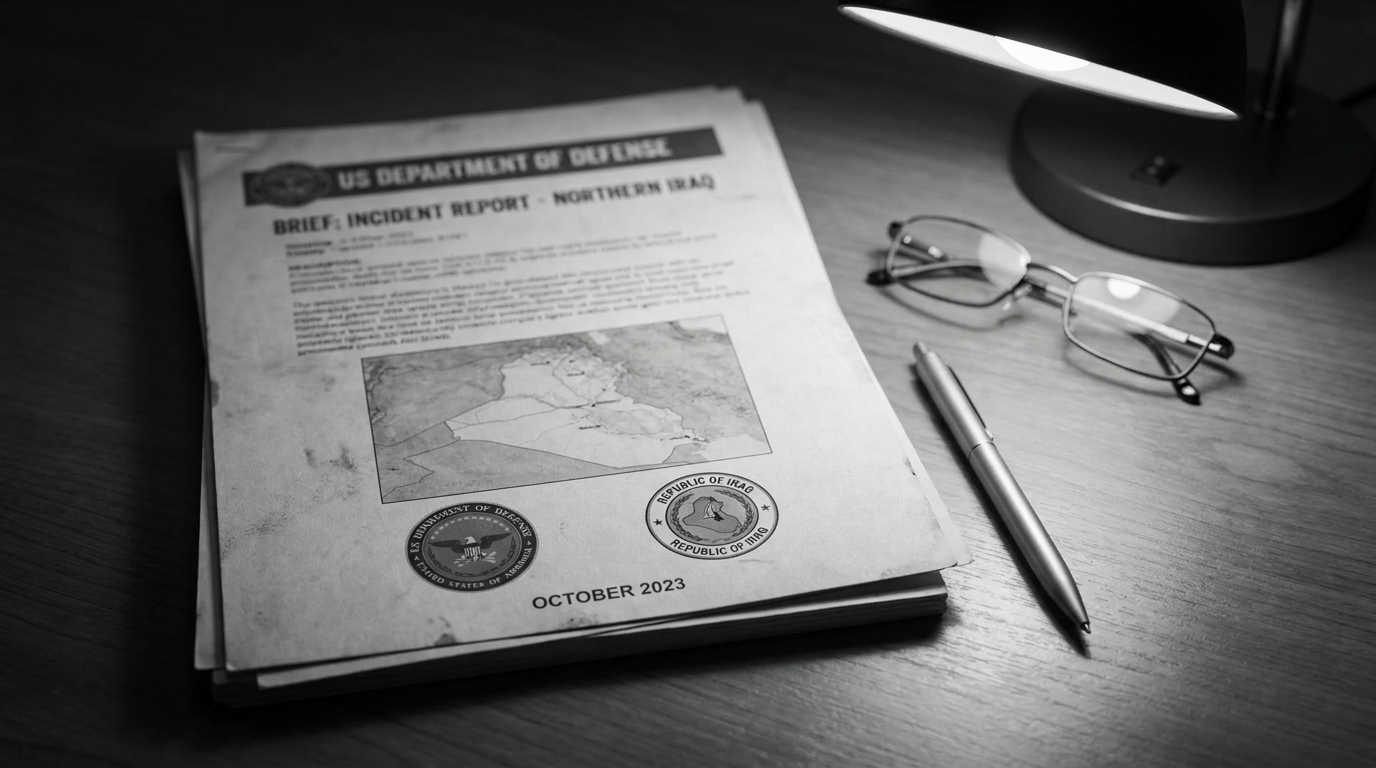
A U.S. service member was killed in northern Iraq on Saturday during what the U.S. Central Command described as a “controlled detonation” of unexploded ordnance from a downed Iranian one-way attack drone. Another service member was injured and is receiving medical care for what Centcom called a “minor” injury.
Central Command
The incident underscores a grim reality of the U.S. mission footprint in Iraq: even when a threat is neutralized, its remnants can still kill. It also keeps attention on Iran’s drone use across regional flashpoints and the way those systems intersect with U.S. deployments operating alongside Iraqi partners.
Centcom’s statement placed the death in the context of an Iranian “one-way attack drone,” a category typically associated with expendable systems used for strike missions rather than reconnaissance. The U.S. military’s presence in Iraq has been shaped by its stated focus on the fight against ISIS, while also contending with threats from armed groups aligned with Iran, including some Iraqi militias.
Iraq sits at the center of this security knot because it hosts U.S. forces with Baghdad’s consent while also containing powerful armed factions with their own political wings and external ties. That mix has repeatedly turned U.S. installations, convoys, and partner sites into pressure points whenever U.S.–Iran tensions spike elsewhere in the region.
Central Command
For Washington, a fatality tied to handling a downed Iranian drone is a reminder that deterrence is not only about preventing launches. It is also about the day-after problem: recovering, disposing, and securing munitions in a fragmented operating environment where U.S. forces are spread across multiple sites and depend on coordination with local partners.
Regionally, drone proliferation has become one of the most scalable tools in proxy conflict because it can be used at relatively low cost, with ambiguous attribution in some cases, and with effects that reach beyond the immediate battlefield. Any incident involving Iranian-origin systems in Iraq can also ricochet into Iraq’s internal debate over the future of the U.S. military presence, especially if factions argue that foreign troops increase risk or invite attacks.
By 2024-08-30, watch for public statements from the Iraqi government addressing where and how the incident occurred and whether it triggers renewed political pressure around the U.S. presence. Also watch for any Iranian official reaction, and for shifts in Centcom messaging or force-protection posture in Iraq that would be observable through formal statements about threat conditions, operational adjustments, or additional defensive measures.