

US sanctions hit Iran as retaliation risk rises
Officials warned countries and companies supporting Tehran that they could face penalties under the new pressure campaign.
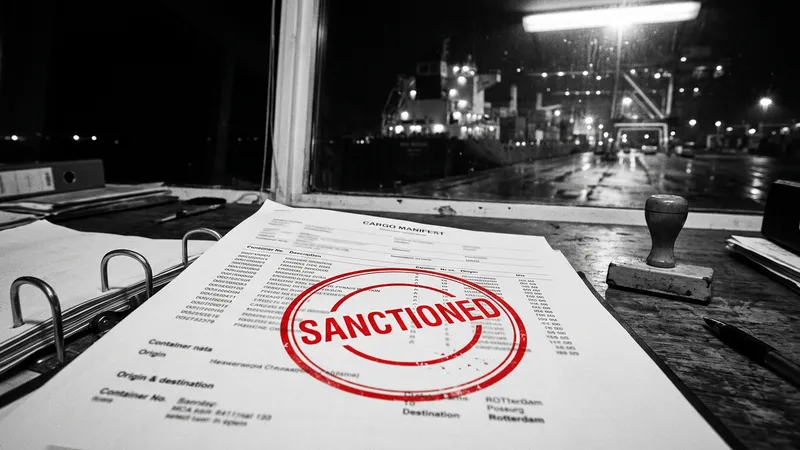
US officials announced a tougher sanctions package against Iran on Tuesday, saying the measures were intended to make Tehran an "economic outcast" and warning supporters of Iran that they could face repercussions.
Iranian officials said Tehran would resist the measures and retaliate. The exchange places sanctions enforcement back at the center of US-Iran tensions, with potential consequences for diplomacy, regional security and trade flows tied to Iranian counterparties.
Iran retaliation threat clouds enforcement
The immediate market reaction was not available. The main channel for investors is geopolitical risk: if enforcement targets shipping, energy transactions or financial intermediaries linked to Iran, traders may price a wider regional risk premium into oil, freight and insurance costs.
For Iran, the pressure campaign raises the cost of accessing foreign currency, moving exports and maintaining commercial links with firms that also need access to the US financial system. The effect depends on how broadly Washington applies secondary penalties and how far third-country buyers are willing to test them.
For the wider sanctions
industry, the announcement points to tighter compliance demands for banks, commodity traders and logistics groups.
If the US follows the warning with designations against non-Iranian supporters, risk teams may cut exposure before formal enforcement actions arrive; if implementation is narrower, the immediate effect may be contained.
The next test is whether US officials identify specific targets or enforcement deadlines by August 26, 2026, and whether Iran’s promised response remains diplomatic or moves into regional security channels.
More stories
- Kyiv playground blast puts Ukraine air-defense stocks back on Washington’s agenda
- Rubio’s Athens speech hardens Washington’s public line on Iran
- Saudi airport hit in new Houthi attack, officials say
- Houthis claim Riyadh airport strike as injuries reported
- Germany Reaffirms Russia Sanctions Amid Potential US Policy Shift
- China beats Thailand 2-0 to reach junior badminton final
- Indonesia Intensifies Wildfire Battle Amidst Regional Haze
- Rohingya Displacement Surges Amid Rakhine Conflict
- NYC Defends Tax List Amid Homeowner Legal Challenge
- Turkish Nationalist Leader Warns Israel on Regional Threat