

Rohingya Displacement Surges Amid Rakhine Conflict
Over 150,000 Rohingya have fled Rakhine State since late 2023, intensifying a long-standing humanitarian crisis exacerbated by ongoing conflict and reduced…
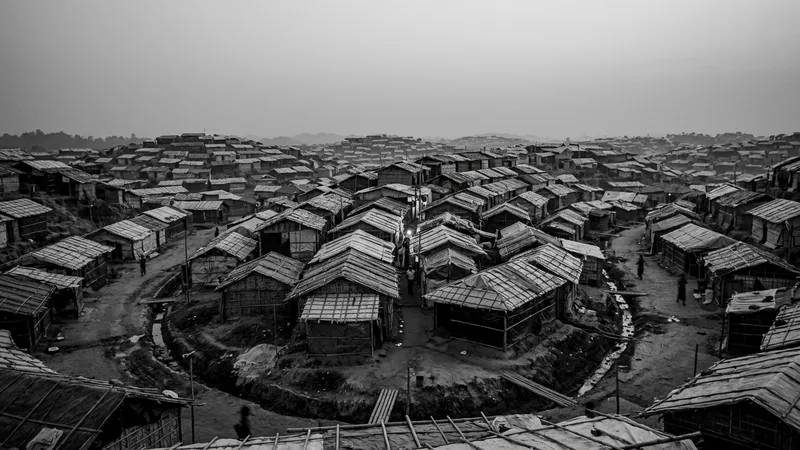
More than 150,000 Rohingya individuals have been displaced from Myanmar's Rakhine State since the end of 2023, adding to the approximately 1.2 million refugees already residing in Bangladesh. This significant increase in displacement stems from escalating conflicts involving new armed groups, such as the Arakan Army, who are reportedly continuing patterns of systemic persecution.
Humanitarian observers indicate that these recent movements compound an already protracted crisis. The Rohingya, a predominantly Muslim ethnic minority, have faced waves of persecution in Myanmar for decades, with the most severe military crackdown occurring in 2017. The current situation suggests a continuation of conditions that force individuals to seek refuge outside their homes.
Perpetuating Persecution in Rakhine
The Arakan Army has reportedly assumed control over substantial areas within Rakhine, effectively replacing the Myanmar military as the primary administrative authority. However, human rights organizations allege that this new administration is engaging in practices such as forced recruitment, detention, and targeted violence against the Rohingya population. These actions bear a striking resemblance to the alleged brutality witnessed during the 2017 military campaign, which led to the exodus of hundreds of thousands of Rohingya.
Reports also suggest systematic destruction of villages and confiscation of land persist. Such actions effectively prevent any realistic prospect of future repatriation, fundamentally altering the region's demographic landscape. This makes a return to previous conditions for the displaced Rohingya increasingly improbable, cementing their status as long-term refugees.
Compounding Humanitarian Challenges
The humanitarian crisis is further complicated by substantial reductions in global funding for refugee services in Bangladesh. Specifically, aid to the Cox’s Bazar camps, which house a vast number of Rohingya refugees, has decreased significantly. This funding shortfall leaves an entire generation of Rohingya children vulnerable, lacking adequate access to essential services like education and basic security.
Advocates highlight the difficult choice faced by Rohingya: endure continued persecution in their homeland or confront the severe hunger and insecurity prevalent in the refugee camps. For those attempting to escape, safe passage remains largely unavailable. Disturbing reports indicate that some individuals involved in human trafficking are exploiting their desperate search for safety, profiting from their vulnerability.
International Legal and Diplomatic Efforts
Efforts to address alleged atrocities through international legal channels are ongoing. Universal jurisdiction cases initiated in Argentina have resulted in arrest warrants for 22 Myanmar military officials and three civilians. Furthermore, the International Court of Justice is anticipated to deliver its judgment in a genocide case against Myanmar in the coming months. These legal proceedings aim to establish accountability for perpetrators and offer a measure of justice to victims.
Despite these legal advancements, advocates argue that the international community has yet to implement sufficient measures to halt ongoing abuses. They claim a persistent failure to ensure the protection of the remaining Rohingya population within Rakhine State, leaving them susceptible to continued violence and further displacement. The lack of robust international intervention in the face of escalating conflict remains a critical concern for human rights organizations.
More stories
- Red Cross says Gaza hostage access involved Haniyeh talks
- Trump urges Zelensky replacement over refinery strikes
- Saudi Arabia suspends Riyadh airport operations after attack
- Kyiv playground blast puts Ukraine air-defense stocks back on Washington’s agenda
- Rubio’s Athens speech hardens Washington’s public line on Iran
- Saudi airport hit in new Houthi attack, officials say
- Russia Claims Strike on Ukrainian Missile Site
- Leipzig/Halle airport drone case nears German attribution
- US Foreign Policy Risks Stagnation Through Historical Bias
- Amnesty Confirms Excessive Force Against Indian Protesters