Amnesty Confirms Excessive Force Against Indian Protesters
Amnesty International confirmed Indian security forces used lethal weapons against New Delhi protesters on July 20, 2026, contradicting official denials.
Lauren Collins ·
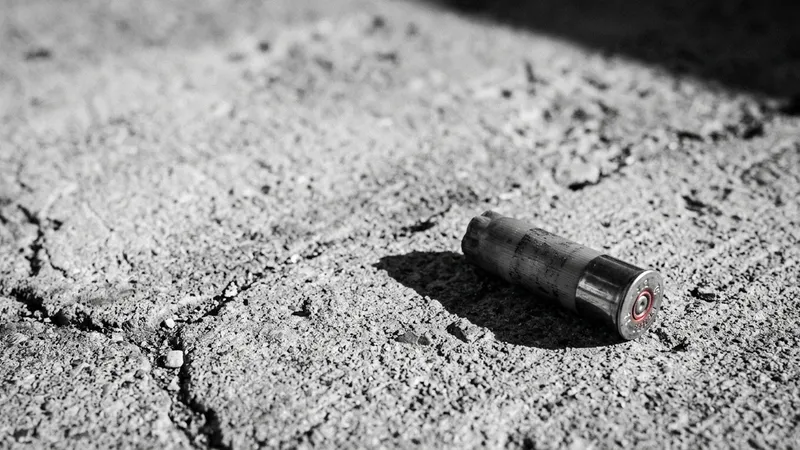
Amnesty International has verified that Indian security forces deployed lethal weapons, including pellet-firing shotguns and electric shock devices, against young demonstrators during protests in New Delhi on July 20, 2026. This investigation directly contradicts the government's previous denials concerning the use of excessive force during the civil unrest. The global human rights organization utilized video verification and medical records to support its findings, underscoring significant discrepancies with official accounts.
The protests were initiated by the Cockroach Janta Party and spurred by widespread examination paper leaks and systemic irregularities in national testing processes. Thousands of participants converged near Parliament Street, calling for the resignation of then-Education Minister Dharmendra Pradhan. The subsequent response from police and paramilitary units led to more than 100 reported injuries, with hospital records documenting wounds consistent with birdshot ammunition.
Verification of Weapon Use
Despite public statements from the Delhi Police dismissing reports of pellet use as misinformation, Amnesty International's Evidence Lab authenticated video footage showing officers discharging shotguns into the protesting crowds. This crucial verification provides concrete evidence against the official narrative, highlighting a significant divergence between governmental claims and ground realities. The human rights group emphasizes that such tactics violate both international human rights standards and India's own domestic policing guidelines.
These guidelines specifically restrict the deployment of such weaponry to only the most exceptional circumstances, implying that their use in this instance may have been disproportionate. The report's findings have significantly increased political pressure on the central government. Opposition leaders have publicly demanded accountability, specifically targeting Home Minister Amit Shah, for the actions taken by security forces during the demonstrations.
Wider Implications and Calls for Accountability
The confirmation of excessive force by an international body like Amnesty International raises serious questions about policing protocols and human rights observance within India. Such incidents can undermine public trust in government institutions and potentially fuel further unrest. The detailed verification process employed, relying on medical records and visual evidence, strengthens the credibility of the report's conclusions and makes official denials increasingly difficult to sustain.
The international community often monitors the human rights record of large democracies, and reports of this nature can have broader implications for India's global standing. Calls for accountability from opposition parties are likely to intensify, potentially leading to parliamentary debates or demands for independent inquiries into the incident. The incident highlights the ongoing challenges in managing public demonstrations while upholding civil liberties and human rights.