Zambia Courts Close Amid Election Petition Deadline
Zambian courts, including the High and Supreme Courts, were closed on the deadline for presidential election petitions, preventing legal challenges.
Lauren Collins ·
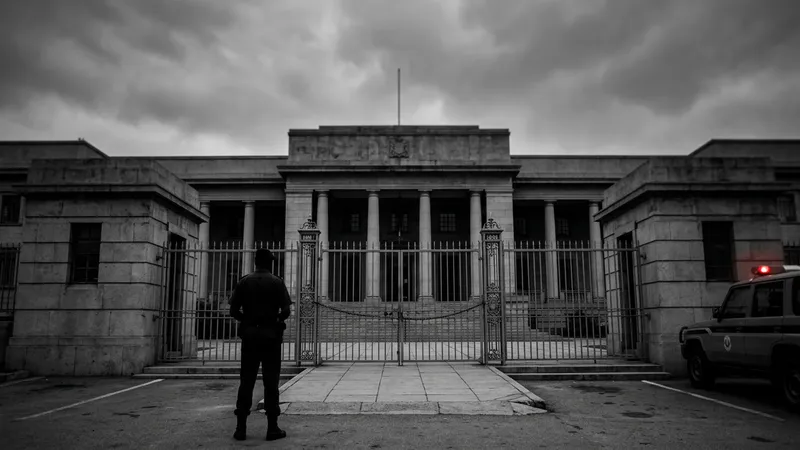
Zambia's judicial system faced a significant disruption as key courts, including the High Court and Supreme Court in Lusaka, ceased operations on the final day for submitting petitions challenging the recent presidential election results. This effectively prevented opposition parties from lodging their legal cases against the outcome of the August 13 vote.
President Hakainde Hichilema was declared the victor, securing approximately 60 percent of the ballots cast. His main challenger, opposition candidate Brian Mundubile, who received around 38 percent, had previously indicated his intention to contest the results, citing various irregularities observed during the electoral process. The closure of the courts means that the constitutional window for disputing these results legally closed by the end of the business day.
Judicial Access Restrictions and Political Climate
The closure of judicial facilities was accompanied by a notable increase in police presence around court buildings, creating substantial obstacles for any party seeking legal recourse for electoral disputes. This action unfolds within a context of heightened political tension following the elections. Reports include the death of an opposition figure during a security operation, and the unconfirmed disappearance of Mundubile, who is widely believed to be in hiding.
Despite these restrictions on judicial access and the volatile political atmosphere, preparations for President Hichilema's inauguration are proceeding as planned for September 1. The government continues to advance with the transition process, even as the primary legal avenues for opposition challenges have been curtailed.
International Scrutiny and Legitimacy Concerns
International observers, such as the European Union election mission, had previously raised concerns regarding the transparency of the electoral process, limitations on media access, and the overall integrity of vote tabulation. The current situation, where formal legal challenges cannot be filed, risks solidifying the election outcome without comprehensive judicial review.
This development could potentially impact the perceived legitimacy of the upcoming presidential transition and the broader democratic framework in Zambia. International bodies and human rights organizations are closely monitoring these unfolding events, highlighting broader implications for governance and the rule of law in the region. The inability to access judicial recourse for electoral grievances remains a critical point of concern for these international entities, posing questions about the fairness of the electoral conclusion.
Broader Implications for Rule of Law
The incident underscores the fragility of democratic institutions when legal pathways for dispute resolution are obstructed. The principle of rule of law, which mandates that all citizens and institutions are accountable to laws that are publicly promulgated, equally enforced, and independently adjudicated, is challenged when courts become inaccessible during critical periods. This situation could have lasting effects on public trust in governmental processes and the long-term stability of the political landscape in Zambia.