NYC Defends Tax List Amid Homeowner Legal Challenge
New York City is defending its public list of properties for a new pied-à-terre tax, as homeowners file a lawsuit over privacy and security concerns.
Lauren Collins ·
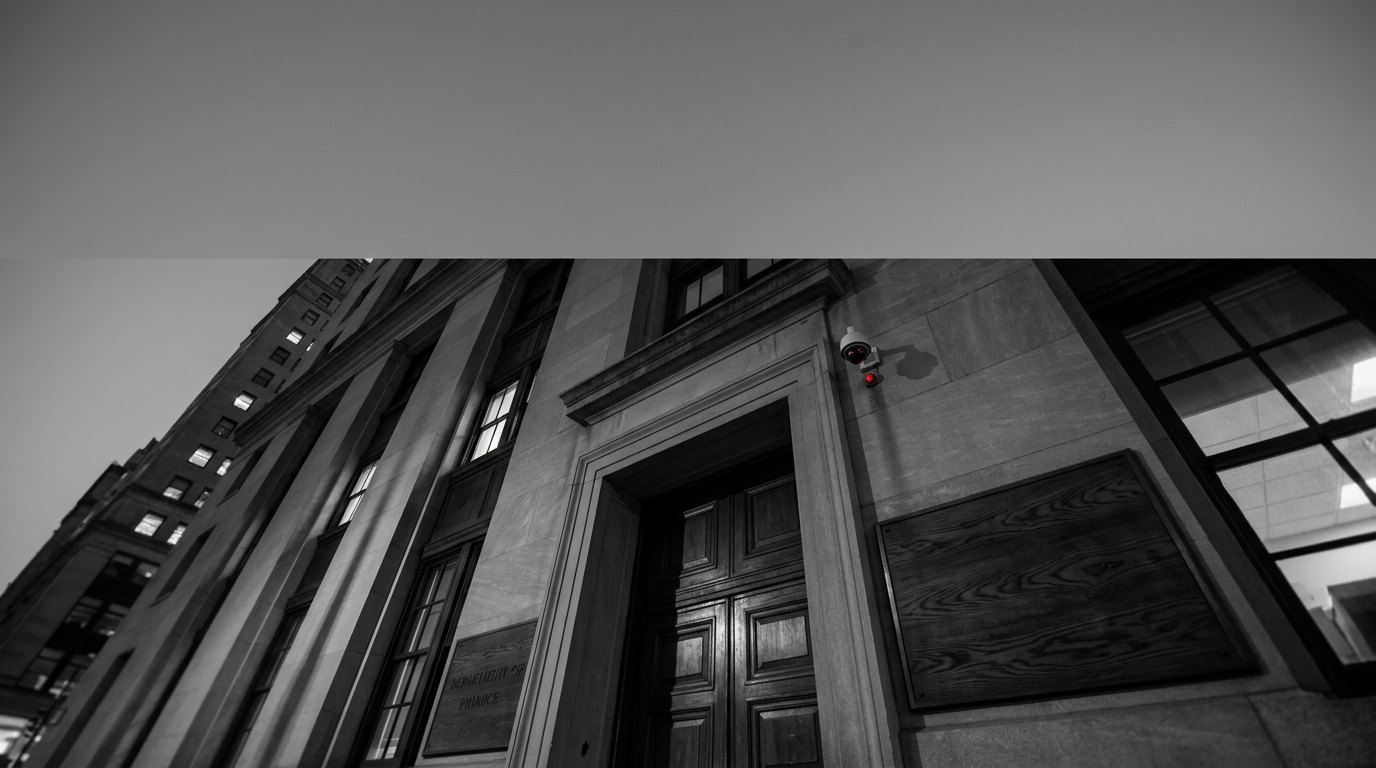
New York City officials are defending the publication of a property list associated with a new pied-à-terre tax, even as a group of homeowners has initiated legal action to remove their data from public access. The administration led by President Mamdani released this list in late July, aiming to generate an estimated $500 million annually. This revenue is earmarked for funding crucial social services, including universal child care programs and enhancements to public transportation infrastructure.
The newly introduced tax specifically targets second homes with a valuation exceeding $5 million. It also applies to condominiums and co-operative units valued above $1 million. The city's Department of Finance maintains that the disclosure of nearly one million property details was a standard requirement under existing legal frameworks. However, critics contend that making names and addresses publicly available creates significant security vulnerabilities for property owners, including increased risks of fraud and targeted harassment.
Homeowners Initiate Legal Action
A coalition of New York City homeowners has officially filed a lawsuit, seeking to compel the city to withdraw the controversial property list. Jason Haber, a representative from the American Real Estate Association, stated that the publicly accessible list could inadvertently become a "gift" to various malicious actors, such as scammers, fraudsters, or individuals with ill intentions.
The policy has sparked a significant debate, creating a divide between its proponents and opponents. Supporters view the new levy as an essential measure for addressing socioeconomic inequality within the city. Conversely, those against it warn of potential capital flight, suggesting that the tax could deter high-value investments in the city's real estate market. Representatives from the real estate industry have indicated that the uncertainty surrounding the tax, coupled with the public nature of the list, has already led some prospective buyers to delay their investment decisions.
City Remains Committed to Revenue Goals
Despite the ongoing legal challenge, President Mamdani's administration remains steadfast in its commitment to achieving the projected $500 million in annual revenue. Officials declined to provide testimony at a recent city council oversight hearing, citing the active litigation as the reason for their absence. The tax has also received notable support from Governor Kathy Hochul, who had previously expressed reservations about increasing taxes for New York residents.
The primary unanswered question revolves around how the ongoing legal proceedings will ultimately impact the tax's implementation and its intended revenue generation. Should the court rule in favor of the homeowners, the city may be forced to re-evaluate its strategy for publicizing property data, which could directly affect the anticipated $500 million designated for social services. Conversely, a court decision favorable to the city would uphold the policy, yet concerns regarding investor confidence in New York's real estate market are likely to persist, potentially cooling future high-value property transactions.