China Deploys Naval Fleet Near Suez Gateway Amid Regional Security Shifts
China dispatched its 49th naval escort fleet, comprising approximately 700 personnel, to the Red Sea, potentially impacting shipping costs near the Suez Canal.
Mateo Fernandez ·
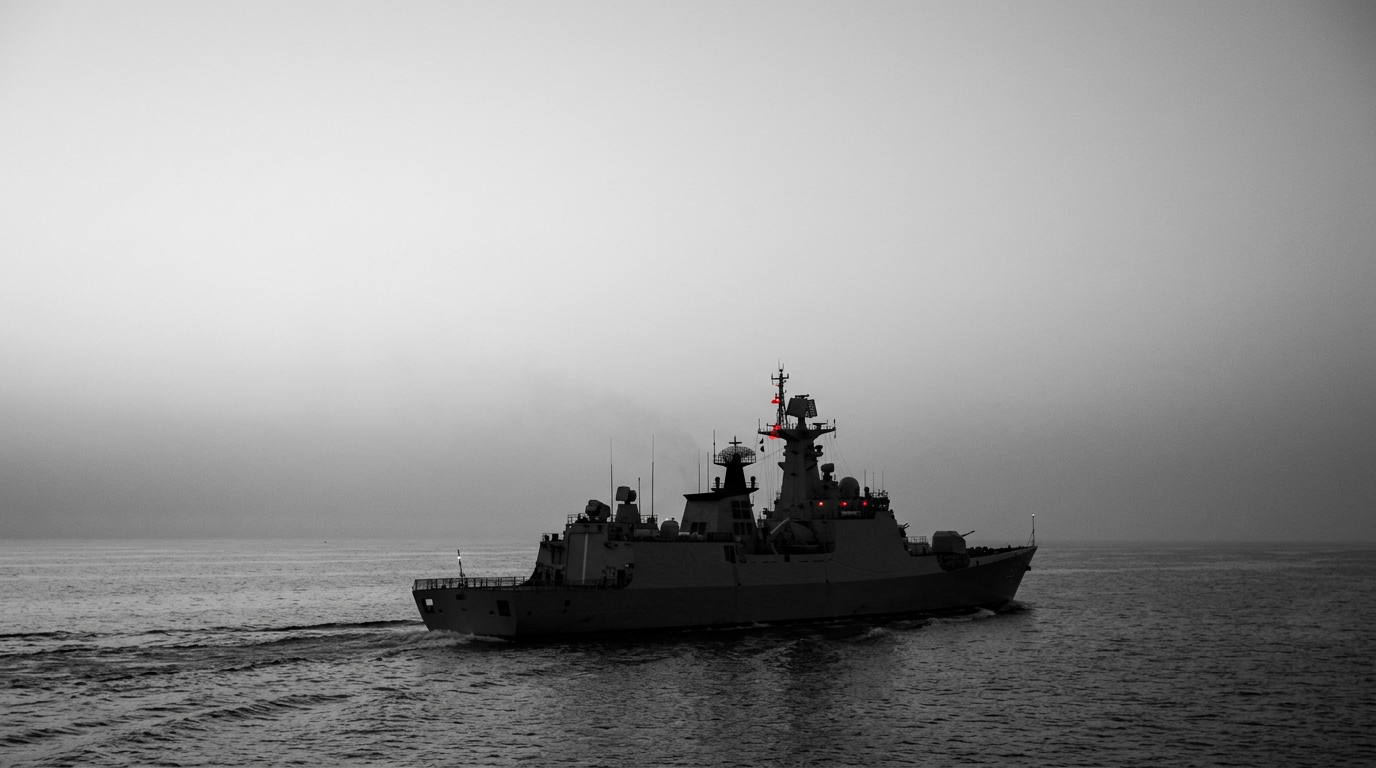
China deployed its 49th naval escort fleet, comprising about 700 personnel, to the Red Sea region near the Suez Canal, continuing operations Beijing has maintained in the Gulf of Aden since 2008. The deployment is primarily aimed at protecting merchant vessels from piracy and armed robbery, according to officials. Shipping industry observers are monitoring potential impacts on insurance costs and freight rates within this critical maritime corridor.
This deployment occurs as African nations work to establish a regional task force to combat maritime crime, though officials noted this force is not yet operational. A sustained naval presence in the sensitive Red Sea area can extend transit times and elevate insurance premiums, which could increase costs for oil and container shipments passing through the Suez Canal.
Red Sea Security Evolves
Regional planners and Gulf shipping companies consistently identify the corridor connecting the Red Sea and the Indian Ocean as vital for global energy and container traffic. Insurers and charterers closely monitor naval activities in this area due to its strategic importance. China's ongoing operation underscores the continued focus on maritime security in these waters, which are crucial for international trade flows.
Concurrently, diplomatic initiatives are advancing to shape future security frameworks. Pakistan is pursuing a defense pact with Somalia. Should this agreement materialize, it could redefine patrol responsibilities and burden-sharing for maritime security within the region. This diplomatic push runs in parallel with efforts by African states to operationalize their proposed task force, establishing two distinct but related paths for enhancing regional security.
Economic Watch on Canal Transit
Key operational decisions are anticipated by September 30
The shipping sector and global markets are closely watching developments concerning both the African states' progress in operationalizing their task force and any advancement in Pakistan's proposed pact with Somalia. Key operational decisions are anticipated by September 30, 2026, which could significantly influence the maritime security landscape and associated economic factors in the region.
The Suez Canal serves as a primary artery for global trade, linking Europe and Asia. Any sustained disruption or increased operational cost in this corridor has widespread economic repercussions. The presence of multiple naval forces and the potential for new security agreements reflect the complex interplay of international and regional interests in safeguarding this critical waterway.