Romanian Fighter Jets Intercept and Destroy Maritime Drone Near Neptun Deep
Romanian F-16s destroyed a maritime drone near the Neptun Deep gas platform in the Black Sea, which authorities attributed to Russia.
Lauren Collins ·
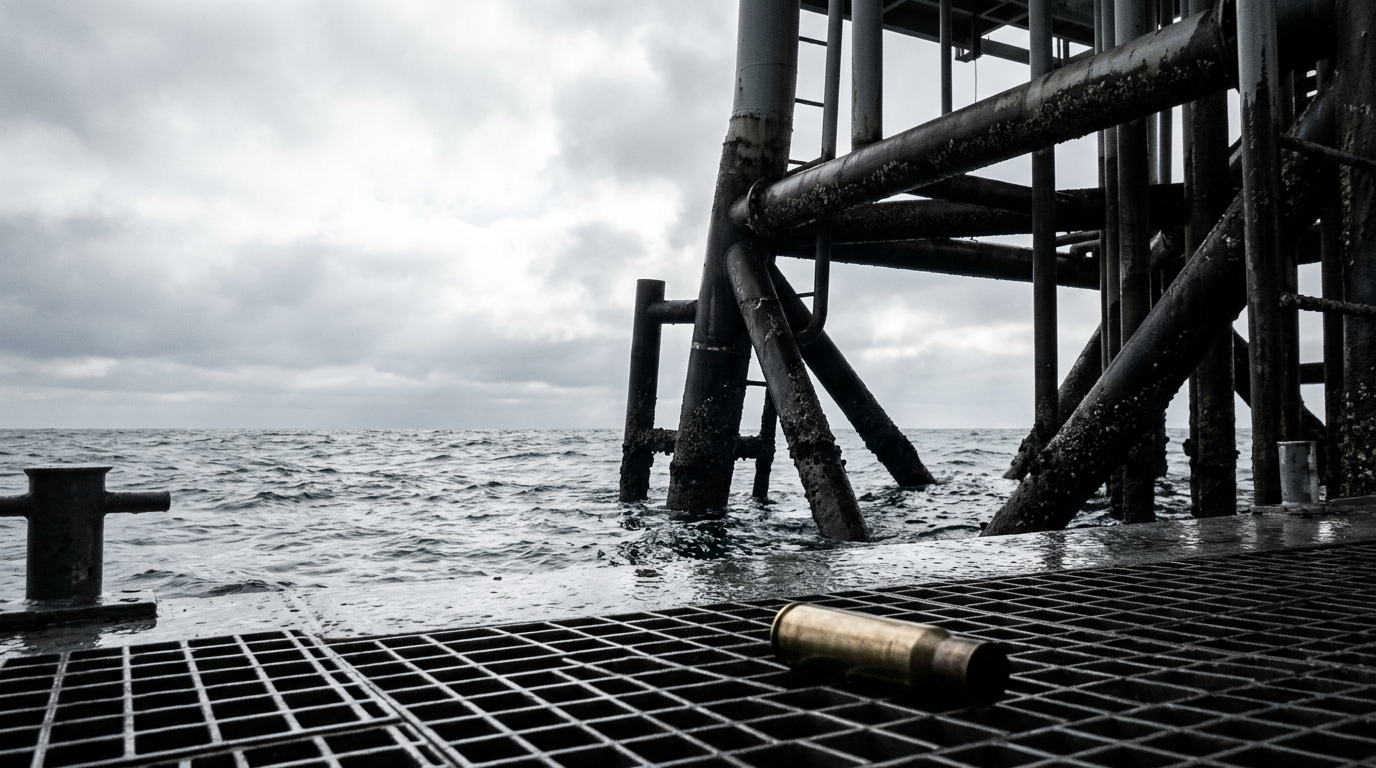
Romanian F-16 fighter jets recently intercepted and eliminated an unidentified maritime drone operating dangerously close to the Neptun Deep gas platform in the Black Sea. The Coast Guard initially detected the vessel within several hundred meters of the offshore facility, which currently houses a significant number of personnel. This incident has prompted heightened security concerns across the region.
Officials confirmed that the drone did not originate from Ukrainian territory. Following the neutralization, Romanian authorities formally attributed the event to the Russian Federation, describing it as a direct threat to critical energy infrastructure. This assessment aligns with a growing apprehension among European Union members regarding an escalating pattern of hybrid warfare tactics targeting strategic assets within member states.
Neptun Deep's Strategic Importance
The Neptun Deep project represents a pivotal strategic asset for Romania. Its successful development is intended to position the nation as the European Union's leading natural gas producer by the year 2027. The close proximity of this drone incursion to such high-value infrastructure highlights persistent security vulnerabilities for energy projects located in the Black Sea region, particularly amid ongoing geopolitical tensions.
The incident has intensified calls for stronger defensive measures. European officials have indicated that this event will likely accelerate the implementation of regional drone defense initiatives and enhance surveillance protocols along the eastern flank of the European Union. The protection of critical infrastructure, especially energy assets, remains a top priority given the current security landscape.
Broader Implications for Regional Security
This event underscores the complex security challenges faced by Black Sea littoral states. Unidentified drone activity near vital energy installations can disrupt operations, threaten personnel, and create significant economic and environmental risks. The attribution to Russia by Romanian leadership signals a direct challenge to the security of NATO and EU borders, raising questions about deterrence and response mechanisms.
The incident is also likely to influence ongoing discussions within NATO and the EU regarding collective defense and infrastructure resilience. Countries in the region are increasingly investing in advanced surveillance and defense systems to counter such unconventional threats. The long-term stability of energy supply routes and critical infrastructure in the Black Sea remains a key focus for international security partners.
Future Security Measures
In response to such incursions, member states are expected to bolster intelligence sharing and joint operational planning. The incident may lead to further investment in anti-drone technology, including electronic warfare capabilities and air defense systems specifically designed to counter unmanned aerial and maritime vehicles.
The is to create a more robust protective umbrella over strategic assets and shipping lanes in the Black Sea, safeguarding both economic interests and regional stability.