North Korea Fires Ballistic Missiles Amid Reduced US Drills
North Korea launched over 10 short-range ballistic missiles into the sea on Thursday, coinciding with reduced US-South Korea military drills.
Lauren Collins ·
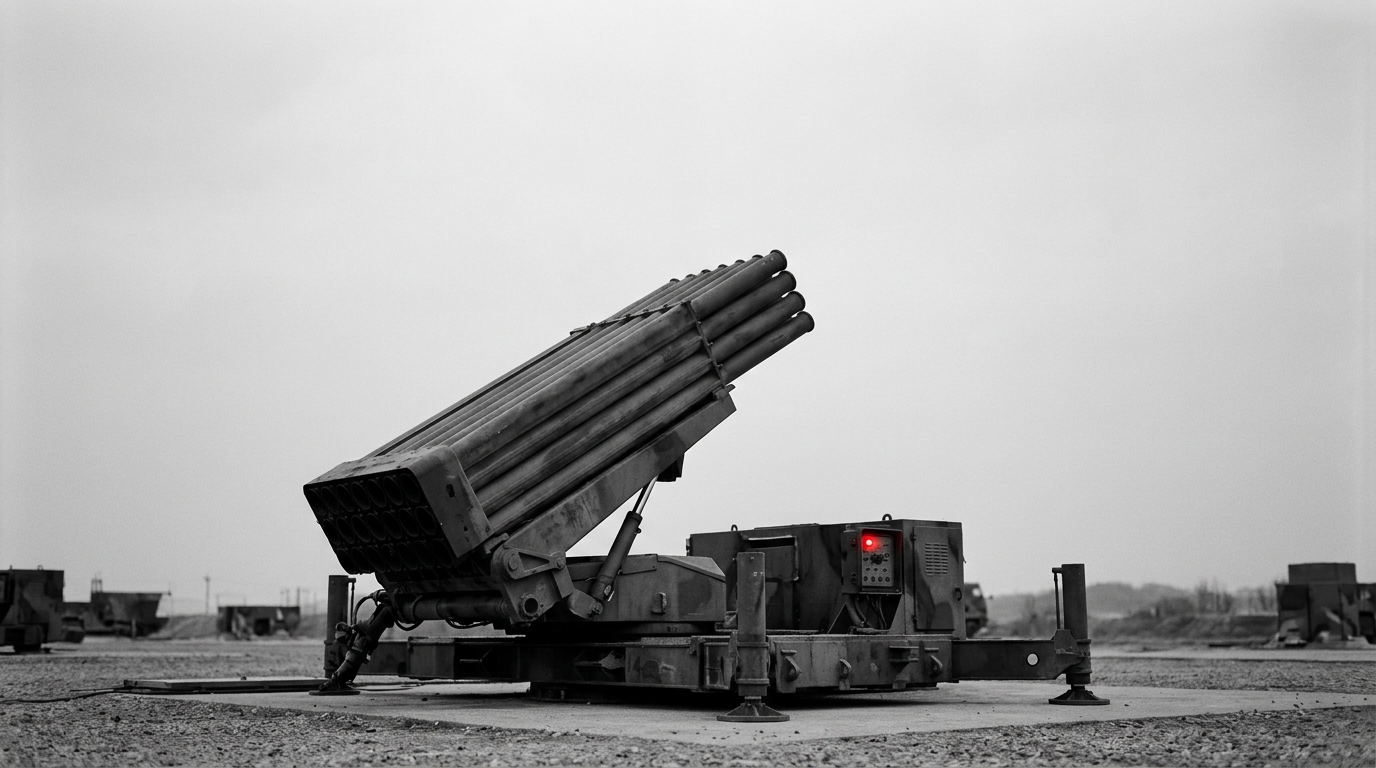
North Korea launched more than ten short-range ballistic missiles into the sea off its eastern coast on Thursday, according to reports from South Korean officials. These launches occurred as a shortened version of the annual Ulchi Freedom Shield military exercises, conducted by South Korea and the United States, concluded. The projectiles traveled approximately 300 kilometers (186 miles), as reported by South Korea's Joint Chiefs of Staff.
Seoul convened an emergency security meeting following the launches, condemning them as violations of United Nations Security Council resolutions. Officials identified the weapons as 600 mm multiple rocket launchers, a system Pyongyang has previously stated is capable of carrying tactical nuclear warheads.
Context of Reduced Military Drills
The missile firings followed a directive from a former U.S. President to significantly reduce the scope of joint military exercises. This reduction was intended as a gesture of conciliation, aimed at cutting costs and fostering diplomatic engagement with North Korean leader Kim Jong Un. However, this adjustment in military posture has generated considerable friction within the U.S.-South Korea alliance, according to officials familiar with the discussions.
Pyongyang consistently describes its 600 mm system, externally known as the KN-25, as a platform designed for delivering tactical nuclear warheads. South Korean Defence Minister Ahn Gyu-back previously informed lawmakers that North Korea possesses an estimated 80 to 120 nuclear warheads, underscoring the nation's evolving military capabilities and the perceived threat they pose to regional stability.
International and Regional Reactions
International responses to both the reduced military drills and the subsequent missile launches have varied. A spokesperson for the Russian Foreign Ministry reportedly welcomed the U.S. decision to scale back its participation in exercises with South Korea. Conversely, the Chinese Foreign Minister urged South Korea to avoid exclusive alignment with Washington and called on the U.S. to abandon its "hostile" policy toward North Korea to alleviate tensions on the Korean Peninsula.
The incident highlights persistent volatility in the Korean Peninsula, particularly as the United States reevaluates its security posture amid broader geopolitical considerations. Kim Yo Jong, sister of North Korean leader Kim Jong Un, characterized the U.S.-South Korea military drills as an "evident disaster." She also stated her lack of awareness regarding any recent communications between leaders, asserting that the U.S. "hostile policy" remains unchanged. A key question is whether reduced military exercises will facilitate diplomatic breakthroughs or, conversely, embolden North Korea to further escalate regional tensions.
Broader Diplomatic Landscape
The history of denuclearization talks with North Korea has been fraught with challenges, marked by periods of engagement followed by renewed tensions and weapons testing. Past attempts at dialogue, often involving multilateral frameworks, have struggled to achieve lasting breakthroughs. The current situation, with missile launches coinciding with adjusted military postures, reflects this ongoing complexity.
Experts frequently note that North Korea views its nuclear and missile programs as essential for national security and leverage in international negotiations. Any perceived weakening of allied defense postures, such as reduced drills, can be interpreted by Pyongyang as either an opportunity for diplomatic outreach or a chance to demonstrate military strength without immediate repercussions. The long-term implications for stability in Northeast Asia hinge on the careful balance between deterrence, diplomacy, and the consistent enforcement of international norms.