Gaza Children Suffer Chronic Injuries Amid Water Crisis
Children in Gaza are developing chronic physical injuries, including hernias and scoliosis, due to the severe water crisis and infrastructure damage.
Lauren Collins ·
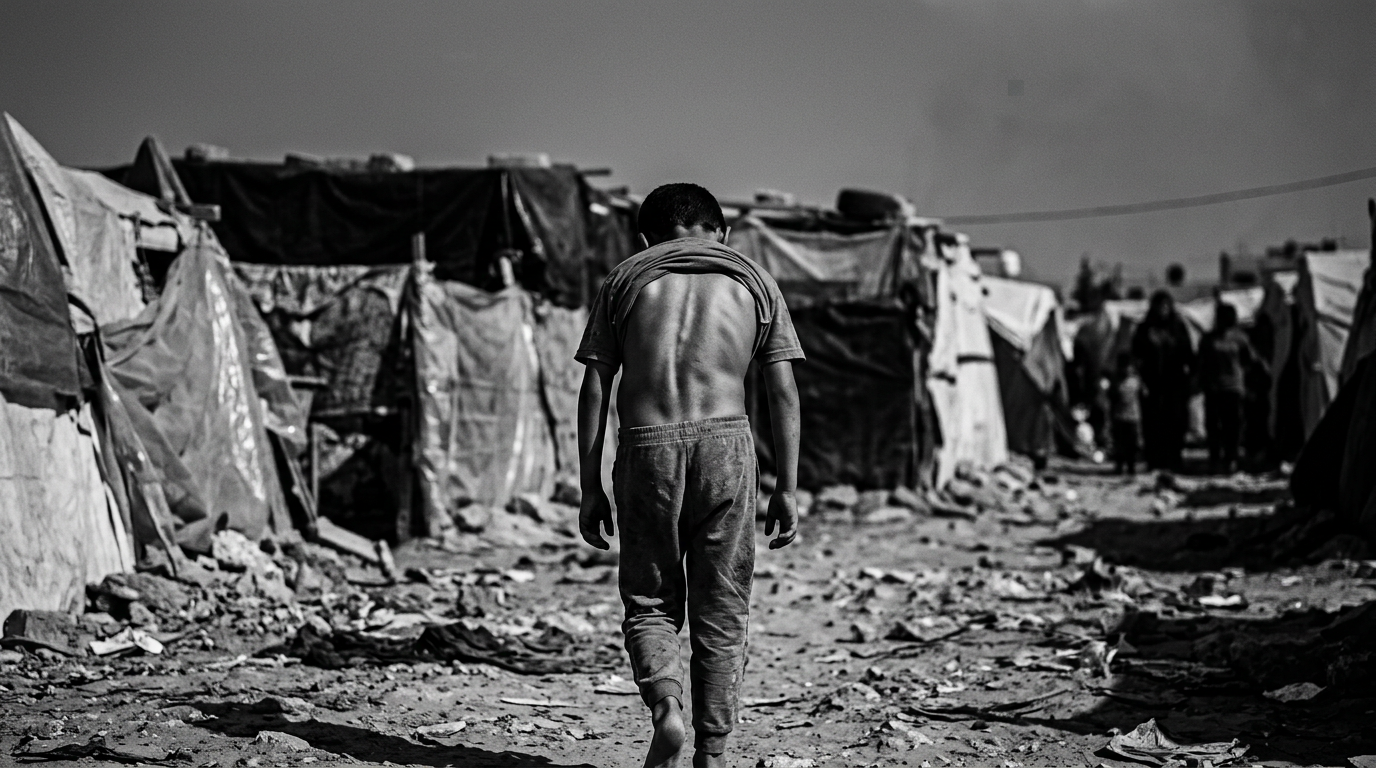
Children across displacement camps in Gaza are suffering chronic physical injuries and facing developmental strain as they are compelled to collect water and food. Medical professionals have observed a significant increase in musculoskeletal conditions among minors, such as hernias and scoliosis. These injuries are linked to children carrying heavy loads, particularly in areas like the Maghazi refugee camp, due to the widespread scarcity of essential resources.
The health crisis is a direct consequence of extensive damage to Gaza's water and sanitation infrastructure, with reports indicating 90 percent of it has been destroyed. This destruction has left 82 percent of families without secure access to clean water. Data from UNICEF highlights the severity of the situation, noting that 70 percent of the population does not receive the minimum emergency threshold of six liters of water per person daily.
Infrastructure Damage and Fuel Shortages
The extreme water scarcity forces children to miss school, spending numerous hours waiting for water trucks and then transporting containers that often exceed their physical capabilities. Local municipal officials have attributed critical supply failures to severe shortages of fuel and spare parts necessary for generators. These issues are further compounded by restricted access to water wells, which are currently under military control.
Medical experts are issuing strong warnings that without immediate intervention and extensive reconstruction efforts, the physical trauma currently being inflicted on this generation will likely result in permanent orthopedic complications. The daily burden of transporting heavy water containers is causing muscle strain, spasms, and more severe conditions such as hernias and scoliosis.
Humanitarian Aid Obstacles and Long-Term Effects
Humanitarian aid organizations, including UNICEF, continue to face substantial operational hurdles. These challenges include significant funding gaps and ongoing restrictions on the entry of crucial supplies into the enclave. The daily struggle for basic necessities is profoundly impacting children's health, leading doctors to report a rise in previously uncommon medical conditions among the youth.
If left untreated, these conditions could lead to irreversible health issues for the affected children. This dire situation underscores the urgent need for a resolution to the ongoing water and sanitation crisis, which is having a devastating and lasting impact on the most vulnerable population. The long-term physical and developmental consequences for these children are a significant concern for health and humanitarian agencies.