Israeli op-ed warns on archaeology in Jewish education
An Israeli op-ed urges educators to avoid using archaeology as decisive proof in legitimacy disputes, spotlighting museum, curriculum, and Jerusalem…
Lauren Collins ·
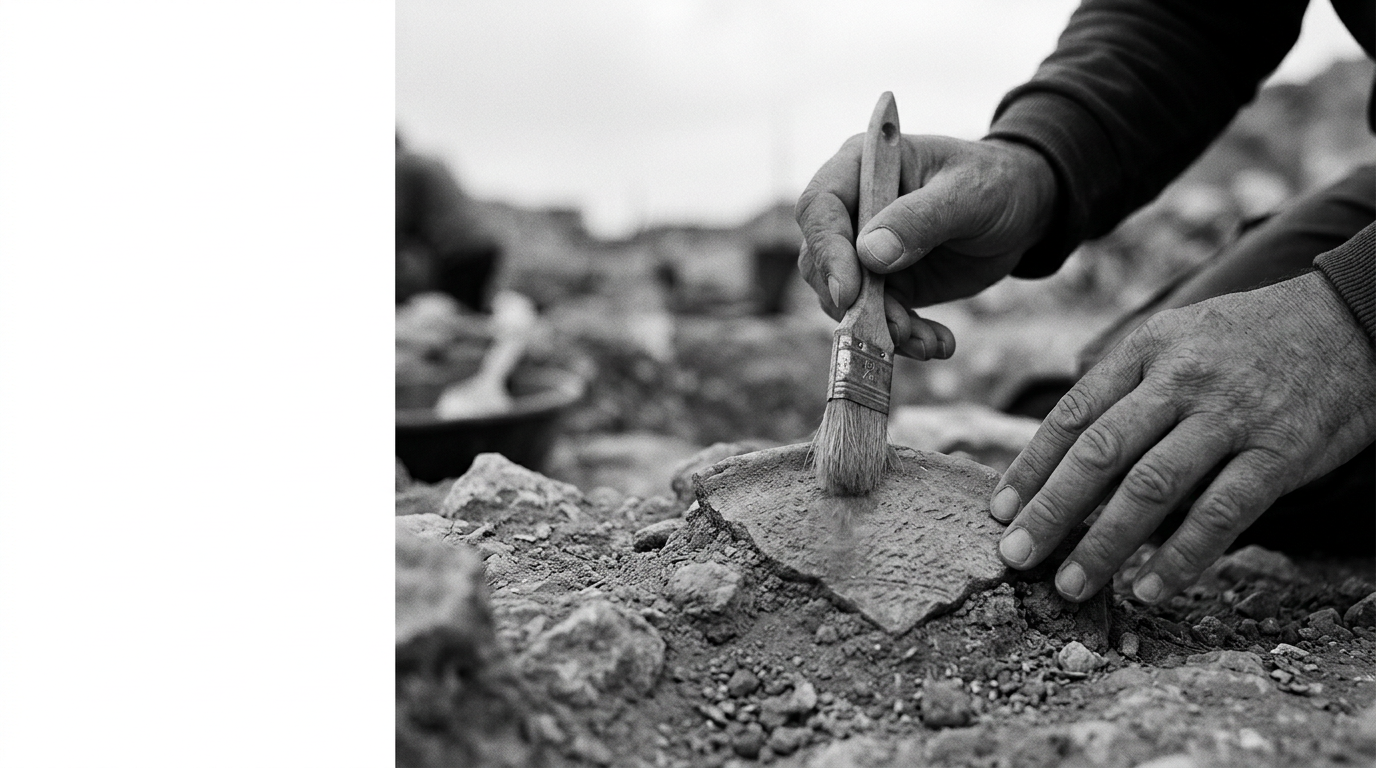
An opinion piece published in The Jerusalem Post is calling on Jewish educators in Israel to rethink how archaeology is used in teaching, arguing that artifacts should not be positioned as the main instrument to “prove” Jewish history in the land.
The author says physical remains can be compelling for students and can deepen emotional connection to the past, but warns that treating material evidence as a definitive answer in present-day legitimacy disputes can weaken history education when it becomes entangled in political confrontation.
Teaching choices beyond the classroom
The op-ed says it is not prompted by any new archaeological discoveries and does not report any shift in Israeli policy. Instead, it focuses on institutional decisions—how schools, museums, tourism efforts, and curricula frame the past—and argues that these choices can shape public debates far beyond education.
According to the author, excavation and cultural presentation can serve identity formation and state-building as well as scholarship. The op-ed contends that when archaeological claims are compressed into political shorthand, public discussion can harden into zero-sum contests that invite counter-claims aimed at undermining the other side’s attachment to the land.
Conflict lens shapes interpretations
The article places its argument within a wider Israeli discussion about narrative and public legitimacy, and how history is mobilised in public life. It adds that archaeology in Israel and the Palestinian territories is often interpreted through the Israel-Palestine conflict, influencing how findings are presented and understood.
The author contrasts emphases described in the debate. The op-ed says Israeli institutions have often foregrounded discoveries linked to biblical-era kingdoms and the Second Temple period, while Palestinian scholars and officials have highlighted continuous habitation, Islamic-era heritage, and concerns that excavations may be used to reshape demographics or control contested spaces.
Jerusalem’s Old City cited as a recurring flashpoint
The op-ed points to Jerusalem’s Old City as a frequent site of dispute where questions of sovereignty, religious authority, and security pressures converge. It identifies the Temple Mount—known to Muslims as Haram al-Sharif—as central to both Jewish and Muslim religious history, and describes it as a long-running flashpoint tied to diplomacy and street-level tension.
The City of David area in Silwan is cited as another focal point. The author says excavations and tourism development there have drawn criticism from Palestinian residents and international observers, while Israeli supporters describe the activity as preserving Jewish heritage.
Signals to watch through August 31, 2024 The op-ed argues that narrative disputes can spill into policy choices involving holy sites, tourism, and security, and says these issues can affect regional stability. It adds that arguments over sensitive religious sites can complicate relations between Israel and Arab partners and make de-escalation harder when violence escalates.
To assess whether the commentary prompts broader engagement, the author suggests watching for reactions by August 31, 2024. The op-ed highlights potential statements from Israel’s Education Ministry, major museums, or national heritage bodies on how archaeology is presented in curricula and tours, as well as any formal responses from Palestinian cultural institutions and academics.
The piece concludes that active institutional engagement could widen the debate over archaeology’s role in education, while a lack of response could leave the intervention limited to a single commentary.