Jamaat-e-Islami Threatens Nationwide Strike Over Fuel Levy by August 26
Jamaat-e-Islami threatens a nationwide strike after August 26 if the government fails to abolish the petroleum levy and cut fuel prices.
Mateo Fernandez ·
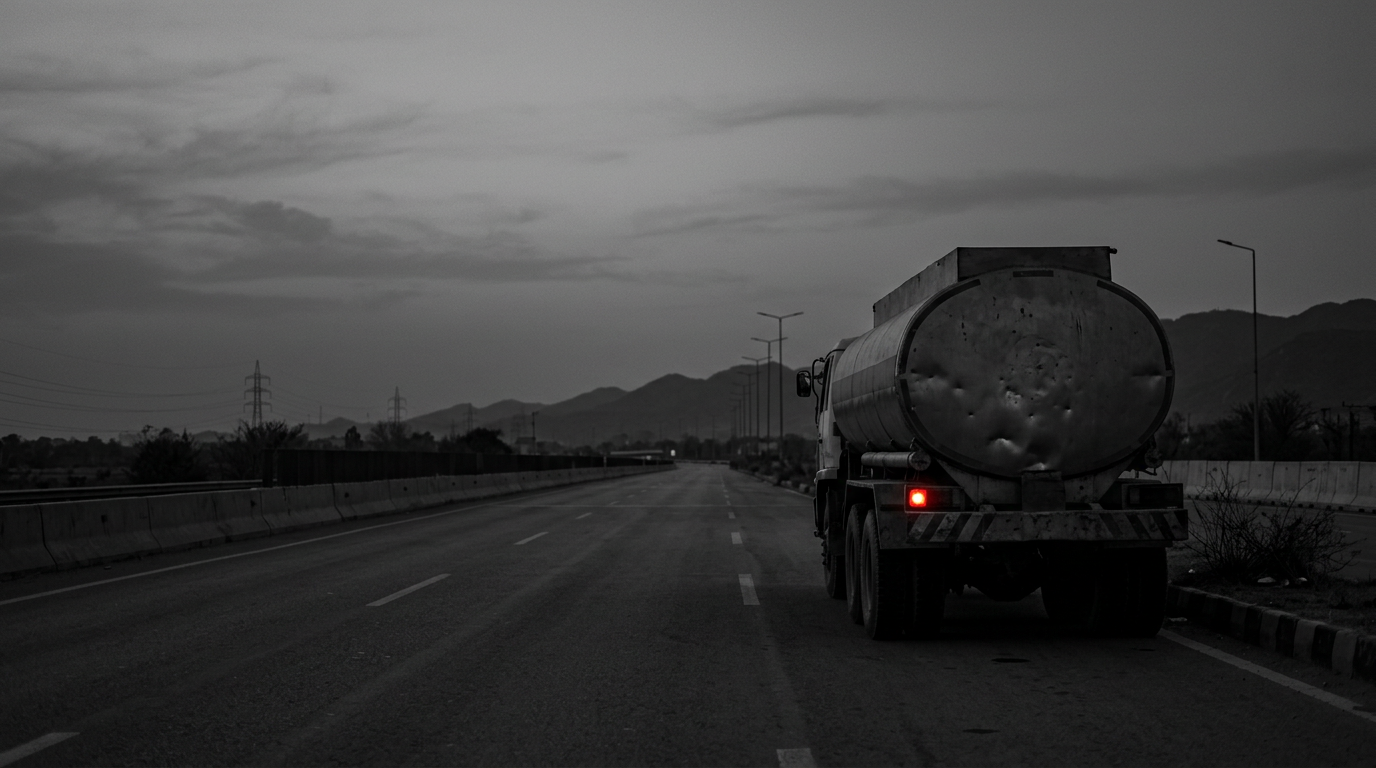
Pakistan's Jamaat-e-Islami (JI) party warned Thursday that it would escalate protests into a nationwide "wheel-jam" and "shutter-down" strike if the government does not eliminate the petroleum levy by August 26. Party emir Hafiz Naeemur Rehman stated that if the levy remains, protest camps would be established across Pakistan, potentially culminating in a march on Islamabad.
Rehman highlighted that consumers currently pay approximately 80 rupees per liter due to the levy, which was originally intended to fund refinery upgrades. He alleged the government has collected over 8 trillion rupees from this levy, while spending less than 100 billion rupees on the upgrades. Sit-ins in Lahore, Karachi, and Peshawar have already drawn broad participation from traders, religious scholars, youth, and civil society groups.
Fuel Adjustments Precede Strike Warning
Hafiz Naeemur Rehman
The JI's warning follows recent government adjustments to fuel prices. On Wednesday, the price of high-speed diesel was reduced by 32.63 rupees per liter, while petrol increased by 2.97 rupees.
Despite these changes, JI's primary demand remains the abolition of the petroleum levy and a reduction of approximately 130 rupees per liter in petrol and diesel prices. Economic Pressures Fueling Discontent Rehman also referenced previous negotiations that led to the closure of five independent power producers (IPPs).
He suggested that a review of the remaining 73 power contracts could reduce electricity prices within 12 to 18 months. The party leader cited Pakistan's total debt, standing at 98 trillion rupees, as a pressing national concern underscoring the broader economic challenges.
Strike Escalation and Broader Implications
Should the August 26 deadline pass without the Should the August 26 deadline pass without the levy's abolition, JI plans to proceed with its nationwide strike actions in the subsequent week. The proposed strikes aim to halt essential services and commercial activities across the country. Authorities have not yet issued a formal response to the party's ultimatum.
This standoff over fuel prices and the threat of a nationwide strike underscore the significant economic pressures faced by the Pakistani populace and the government. The outcome could have substantial implications for the nation's political stability and economic activity, particularly as the government balances fiscal needs with public welfare demands.