Israel strikes Lebanon amid rising Iran-US tensions
Israel carried out strikes in Lebanon on August 16 as Iran-US tensions were already worsening, with markets watching energy and shipping risk.
Lauren Collins ·
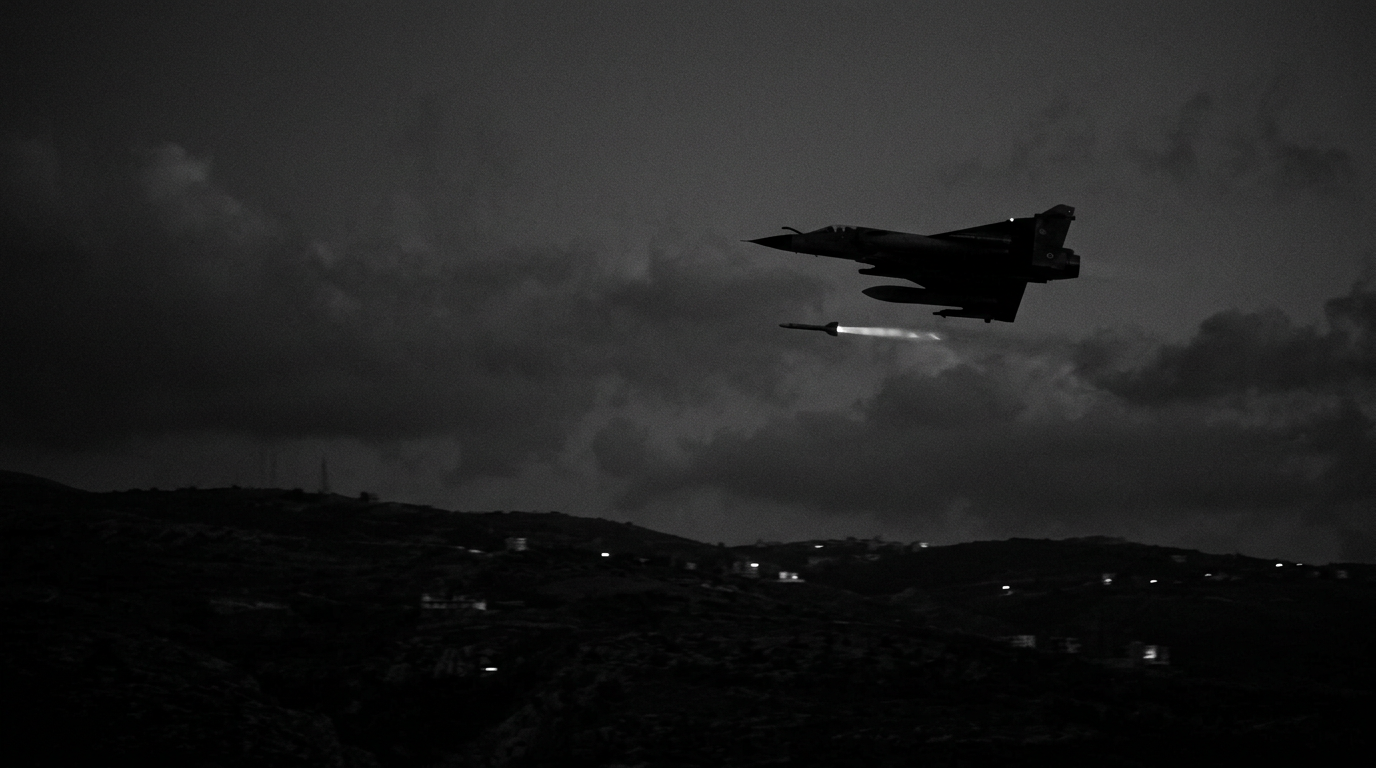
Israel carried out strikes in Lebanon on August 16, opening a new flashpoint at a time when tensions between Iran and the United States were already rising. Officials did not provide verified information on casualties, the precise locations hit, or the intended targets. Immediate reactions from the relevant parties were also still pending, leaving early assessments driven largely by timing rather than operational detail.
With publicly confirmed specifics not available, attention shifted to official statements and signals rather than battlefield outcomes. The lack of verified information made it difficult to gauge the scale of the action, its objectives, or whether follow-on steps might occur. In parallel, the backdrop remained a worsening Iran-US track referenced in the initial alert, with the key confirmed element being the sequence of events.
Verified details limited as focus turns to official signals Officials had not released confirmed data on casualties, the exact sites struck, or what Israel aimed to hit. That information gap left observers relying on government messaging and other formal indicators. The initial picture therefore remained incomplete, and any assessment of intent or escalation risk was constrained by what had not yet been verified. In this framing, the confirmed point was that Israeli military action in Lebanon occurred while the Iran-US situation was already deteriorating. Beyond that, uncertainty remained high due to the absence of detailed, verified disclosures. Statements from Israel, Lebanon, Iran, and the United States were described as the next key reference points for whether the event would be treated as contained or met with retaliation. Energy and shipping flagged as the first market transmission channel From a market standpoint, the near-term channel described was a repricing of energy and shipping risk, rather than any confirmed interruption to supply. The emphasis was on how investors and traders can adjust exposure to uncertainty even when physical flows have not been shown to change. In that setup, pricing and insurance were highlighted as the earliest mechanisms through which risk may show up. Oil traders typically watch escalation linked to Lebanon Oil traders typically watch escalation linked to Lebanon for signs that conflict could widen toward Gulf infrastructure, Red Sea traffic, or a direct confrontation involving Iran. In the outline provided, these concerns were presented as monitoring points rather than confirmed developments. The macro impact was described as depending less on current physical flows and more on how markets price low-probability but high-cost scenarios.
Containment versus spillover paths for positioning and assets The scenario sketch drew a distinction between containment and spillover.
If the confrontation remains geographically contained, the impact was portrayed as more likely to concentrate in crude options, safe-haven demand, and regional credit, rather than triggering a broad global repricing. If attacks broaden or additional forces become involved, investors would likely reassess energy supply risk, insurance costs, and the reliability of shipping routes.
Sector exposure was also outlined. For Israel, investors often watch airlines, ports, defense suppliers, and energy assets when the northern front intensifies, reflecting perceived sensitivity to security conditions and infrastructure risk. Across the region, banks, carriers, and oil-linked equities were cited as areas that could face greater exposure if governments introduce travel, shipping, or security restrictions.
By August 17, the key test described was whether officials in Israel, Lebanon, Iran, or the United States signal containment or retaliation. If statements keep the event limited, broader spillover was described as remaining conditional on oil-related pricing and safe-haven flows. If retaliation is announced, the risk premium was expected to move first through crude, the dollar, and regional assets.