US Aid Cuts Linked to Haitian Armed Group Recruitment Surge
Suspension of US foreign aid to Haiti, including USAID programs, has eliminated critical opportunities, contributing to a surge in child recruitment by armed…
Lauren Collins ·
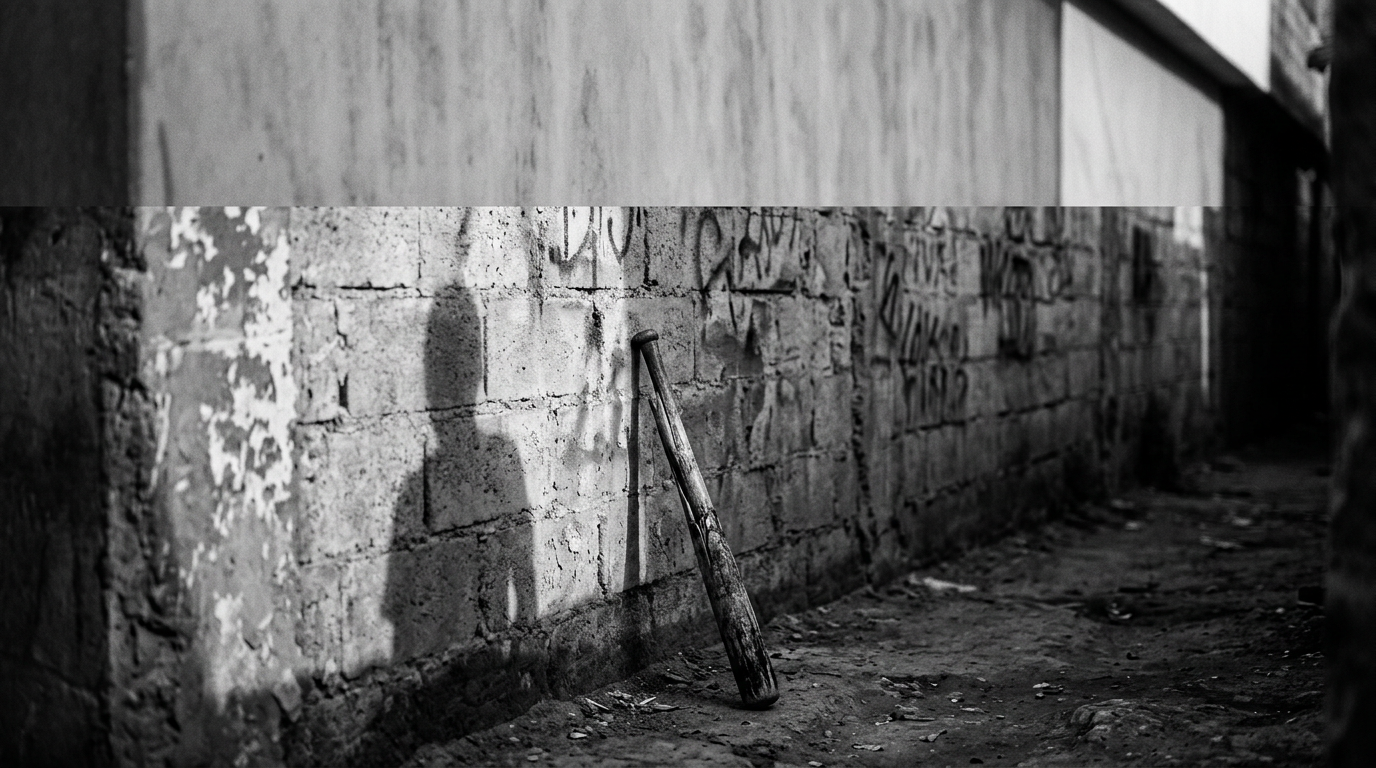
The United States government's decision to halt foreign assistance and dismantle programs overseen by the U.S. Agency for International Development (USAID) has significantly impacted Haiti. This move led to the termination of approximately 80 percent of American-funded initiatives, removing crucial youth development, educational, and job training opportunities. These programs previously offered alternatives to joining armed factions, which are now reportedly expanding their ranks.
Data from UNICEF indicates a substantial increase in the recruitment of children into armed groups within Haiti, tripling by 2025. Minors now reportedly constitute half of all gang members operating in the nation's capital and surrounding areas. The discontinuation of community-based social services has further exacerbated a growing governance void across the country.
Governance Vacuum and Gang Consolidation
The absence of both governmental and international support has enabled armed coalitions to dramatically extend their influence. These groups have consolidated control over an estimated 90 percent of Port-au-Prince, capital. This power vacuum has undermined legitimate authority, creating an environment where armed groups can operate with minimal resistance from official bodies.
Financial analysis reveals that approximately $330 million in committed funds for Haitian programs were frozen. These funds were designated as a primary source for humanitarian assistance and vital stabilization efforts. The abrupt withdrawal of this funding has worsened an already severe situation, intensifying the desperation felt by vulnerable populations.
Heightened Reliance on Armed Groups
With essential services and economic prospects significantly diminished, many Haitians are increasingly compelled to depend on infrastructure and support provided by armed groups for their basic survival needs. This growing dependency inadvertently strengthens the gangs' hold and influence over local communities, making it more challenging for residents to escape their control and find legitimate pathways to stability.
The deteriorating security situation in Haiti poses substantial risks that extend beyond its national borders. Regional stability in the Caribbean faces increasing threats, as do the long-term prospects for effective governance throughout the area. Without established support mechanisms, the current environment risks fostering greater reliance on non-state armed actors, potentially triggering broader macroeconomic instability across the region.
Broader Consequences and Urgent Needs
The cessation of these crucial programs not only affects immediate humanitarian needs but also undermines the foundational elements necessary for sustainable development and lasting peace. The long-term implications include heightened instability, the potential for significant regional migration crises, and a deepening humanitarian emergency as essential services remain largely absent.
International observers have underscored the urgent necessity for a renewed focus on community support initiatives and strengthening governance structures. Such efforts are deemed critical to counter the escalating influence of armed factions and to provide a pathway toward recovery and stability for the Haitian population.