Ukrainian Diver Detained in Croatia Linked to Nord Stream Pipeline Sabotage
Ukrainian national Volodymyr Zhuravlev was arrested in Croatia by German authorities for his alleged role in the 2022 Nord Stream pipeline sabotage.
Lauren Collins ·
Volodymyr Zhuravlev, a Ukrainian national identified as a professional diver, was apprehended in Pula, Croatia, on Wednesday, in connection with the 2022 Nord Stream pipeline explosions. German prosecutors had sought his arrest, alleging his involvement in the sabotage. Zhuravlev's detention marks a significant development in the ongoing investigation into the incident that severely damaged critical European energy infrastructure.
At the time of his arrest, Zhuravlev was reportedly engaged as a consultant for a film production titled 'Snake Island,' which dramatizes the very pipeline incident he is now accused of being involved in. This arrest follows previous unsuccessful attempts by German officials to apprehend him, including an instance where he reportedly evaded capture in Poland.
Allegations and Extradition Proceedings
German prosecutors allege that Zhuravlev was part of a specialized group, reportedly linked to Ukrainian state entities, tasked with planting explosives on the subsea pipelines. The individual now faces extradition proceedings to Germany, where he would be tried for his alleged role in the destruction of these major energy assets. This legal process is anticipated to test the effectiveness and consistency of European judicial cooperation in high-profile international cases.
Zhuravlev's legal defense team has indicated plans to challenge the extradition. They are expected to cite previous rulings from Polish courts that questioned the jurisdiction of German arrest warrants concerning the pipeline sabotage. This particular aspect highlights potential legal complexities and differing interpretations of jurisdiction among European Union member states.
Broader Implications for European Law
The Nord Stream pipeline explosions, which occurred in 2022 amidst heightened tensions due to the broader conflict between Russia and Ukraine, have been a focal point of international scrutiny. The outcome of Zhuravlev's case could establish a significant precedent for how European courts manage conflicting interpretations of international law and cross-border arrest warrants, particularly in sensitive security matters.
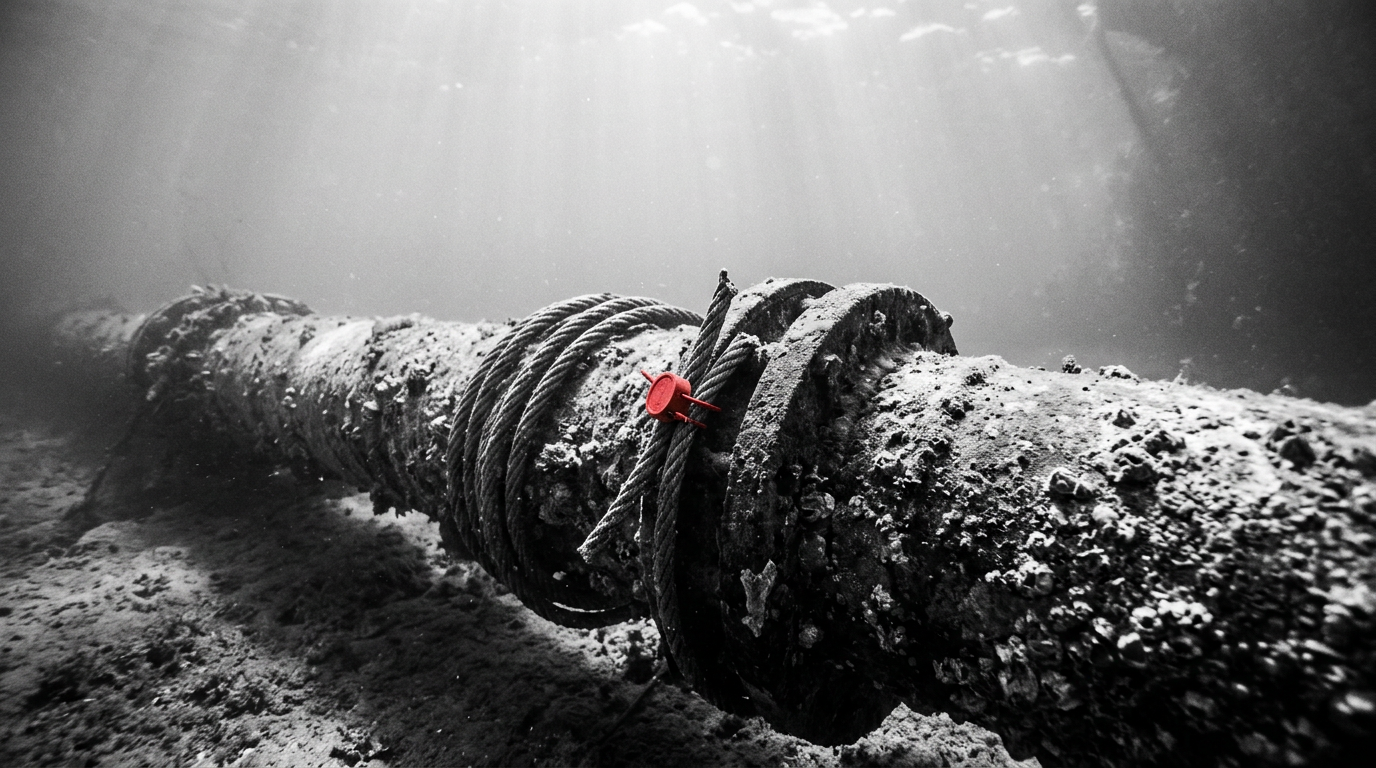
The incident itself involved multiple subsea pipelines designed to transport natural gas from Russia to Germany. The damage led to considerable environmental concerns and raised questions about energy security in Europe. While investigations have been underway in several countries, including Germany, Sweden, and Denmark, conclusive findings regarding responsibility have remained elusive, making this arrest particularly noteworthy.
The legal battles surrounding this extradition and subsequent potential trial are likely to shed further light on the circumstances of the Nord Stream incident and could influence future discussions on international cooperation in investigating acts of sabotage against critical infrastructure.