

US sanctions entity and two individuals over Iran missile hardware ties
Washington targeted a procurement network in Belarus, Russia, and Nigeria suspected of helping Iran acquire anti-aircraft systems.
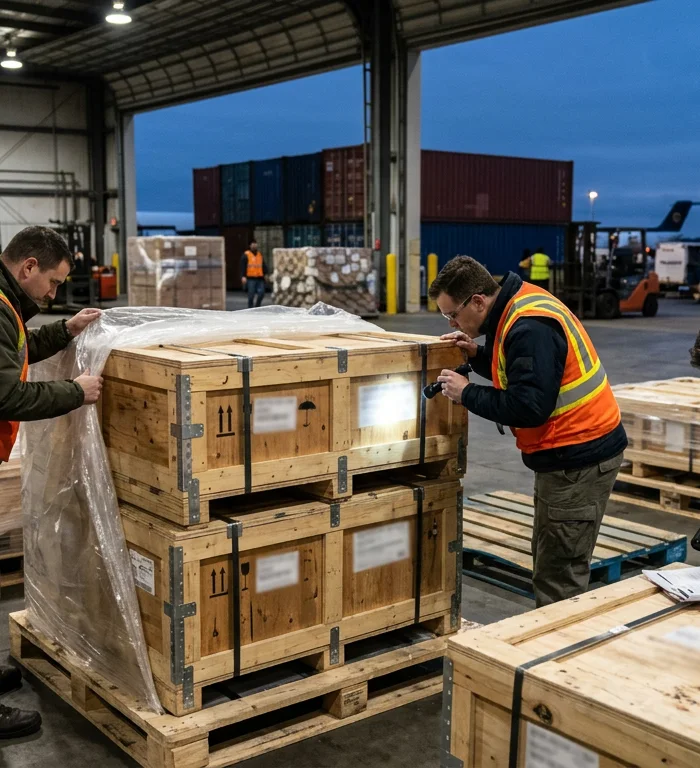
Targeted network facilitates weapon acquisition
The US Department of State announced new sanctions on November 4, 2026, targeting one entity and two individuals operating across Belarus, Russia, and Nigeria. The US government alleges these parties facilitated the Iranian regime's attempts to acquire man-portable air-defence systems, or MANPADS.
This action marks a shift in Washington's strategy to dismantle illicit military procurement channels that span multiple continents. By targeting intermediaries in these specific jurisdictions, the State Department aims to disrupt the logistical pathways the Islamic Revolutionary Guard Corps uses to bypass existing international restrictions.
Sanctions in broader proliferation efforts
The Biden administration has maintained a long-standing pressure campaign intended to degrade Iran’s ability to export and procure specialized defense hardware. MANPADS pose a specific security risk to commercial and military aviation, leading US regulators to prioritize the tracking of these systems within global black markets.
Iran frequently employs shadow networks and front entities in non-aligned nations to disguise the ultimate destination of military components. These procurement efforts often rely on local business structures that can obscure the financial and logistical ties back to Tehran.
Security implications for regional stability
The proliferation of man-portable systems risks altering the security environment in the Middle East and North Africa. Beyond the direct threat to aviation, these weapons can shift the balance of power for non-state actors who gain access to advanced defense hardware, potentially complicating regional military dynamics.
The US Department
The ability of the US to interdict these networks relies on monitoring shifts in military-technical cooperation between Iran and its strategic partners. As sanctions expand, the effectiveness of these measures will likely be measured by the speed at which Iran identifies and establishes new procurement nodes.
Monitoring future Treasury enforcement
The primary uncertainty remains whether these sanctions will force a permanent rupture in Iranian supply chains or simply prompt the transition of procurement operations to new intermediaries. Analysts are watching for follow-up actions by the Department of the Treasury's Office of Foreign Assets Control to see if the US expands these measures into additional jurisdictions.
More stories
- Germans oppose Ukraine aid as poll shows support slipping
- Kim Jong-un receives 10 envoys after constitutional shift
- Ukraine claims Libya strike sinks Russian naval corvette
- COP31 climate talks collapse over fossil fuels and funds
- Russian military faces 1,087 recorded suicides in Ukraine war
- US faces China, Russia in Africa minerals contest
- Singapore links 4 aid groups to strengthen Gaza relief
- Israel coalition talks loom as rivals fall short of power
- EU faces Vietnam rights test over $57.9bn trade gap
- Albania lawmakers clash over policing of student protests
Latest news
- Trump prepares tariffs on China and other major exporters
- New-car buyers pay record average $50,087 in October
- Banks face ECB reserve debate over liquidity and profits
- Investors see Anthropic debut gains fade below $83 a share
- Iraq orders federal control over Kurdish-area oilfields
- Nvidia shares retreat as AI rally cools before PCE data
- Macy’s parade faces balloon limits as storm winds approach