

US Relocates Aircraft from UK Bases Following Heightened Security Threats
The US has relocated aircraft from UK bases and raised security levels to FPCON Charlie following intelligence reports of Iranian-linked threats.
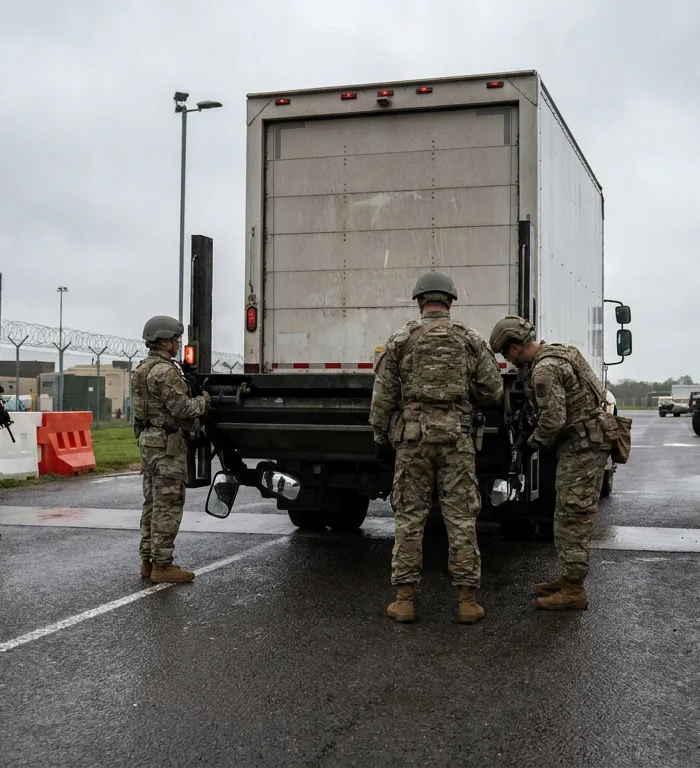
The United States military has relocated refueling tankers from RAF Mildenhall in the United Kingdom to Germany and other locations following intelligence reports of a potential security threat linked to Iran. This movement coincides with an elevation of the security posture at both RAF Mildenhall and RAF Lakenheath to Force Protection Condition (FPCON) Charlie. This designation represents the second-highest defensive threat level in the Department of Defense, implemented when intelligence suggests that a terrorist action is likely.
This relocation follows a similar withdrawal of B-1 bombers from RAF Fairford earlier this year. That decision was prompted by a security incident in September involving the arrest of individuals suspected of assisting Iranian intelligence operations near the facility. RAF Fairford had previously served as a launch point for US military strikes against Iranian targets, leading to public declarations from the Iranian Revolutionary Guards that such bases are considered legitimate military targets.
The United States
While official spokespersons have declined to provide specific details regarding the current movements, citing operational security and the routine nature of asset rotation, the pattern of evacuations indicates a sustained concern regarding the vulnerability of US military infrastructure in the UK. The British government has acknowledged the activity but has not provided further details on the nature of the threats.
These developments highlight a significant shift in the security environment for Western military installations. The repeated relocation of high-value assets suggests that US command is prioritizing the mitigation of asymmetric threats over the maintenance of established operational hubs. Policymakers should monitor whether these security concerns lead to a permanent reduction in the US military footprint in the region or if additional defensive measures will be deployed to secure these installations against potential intelligence-gathering or sabotage efforts.
More stories
- Germans oppose Ukraine aid as poll shows support slipping
- Kim Jong-un receives 10 envoys after constitutional shift
- Ukraine claims Libya strike sinks Russian naval corvette
- COP31 climate talks collapse over fossil fuels and funds
- Russian military faces 1,087 recorded suicides in Ukraine war
- US faces China, Russia in Africa minerals contest
- Megaspeed faces US scrutiny over $3bn asset jump
- US pauses Iran military action after 8 months of war
- Albania lawmakers clash over policing of student protests
- Policy Alert seeks Nigeria hearing over $50bn offshore plan
Latest news
- Trump prepares tariffs on China and other major exporters
- New-car buyers pay record average $50,087 in October
- Banks face ECB reserve debate over liquidity and profits
- Investors see Anthropic debut gains fade below $83 a share
- Iraq orders federal control over Kurdish-area oilfields
- Nvidia shares retreat as AI rally cools before PCE data
- Macy’s parade faces balloon limits as storm winds approach