US President Hints at Renewed Iran Military Action
President Trump signaled potential new Iran strikes as he pushes for a war-ending deal, following a previously called-off attack.
Lauren Collins ·
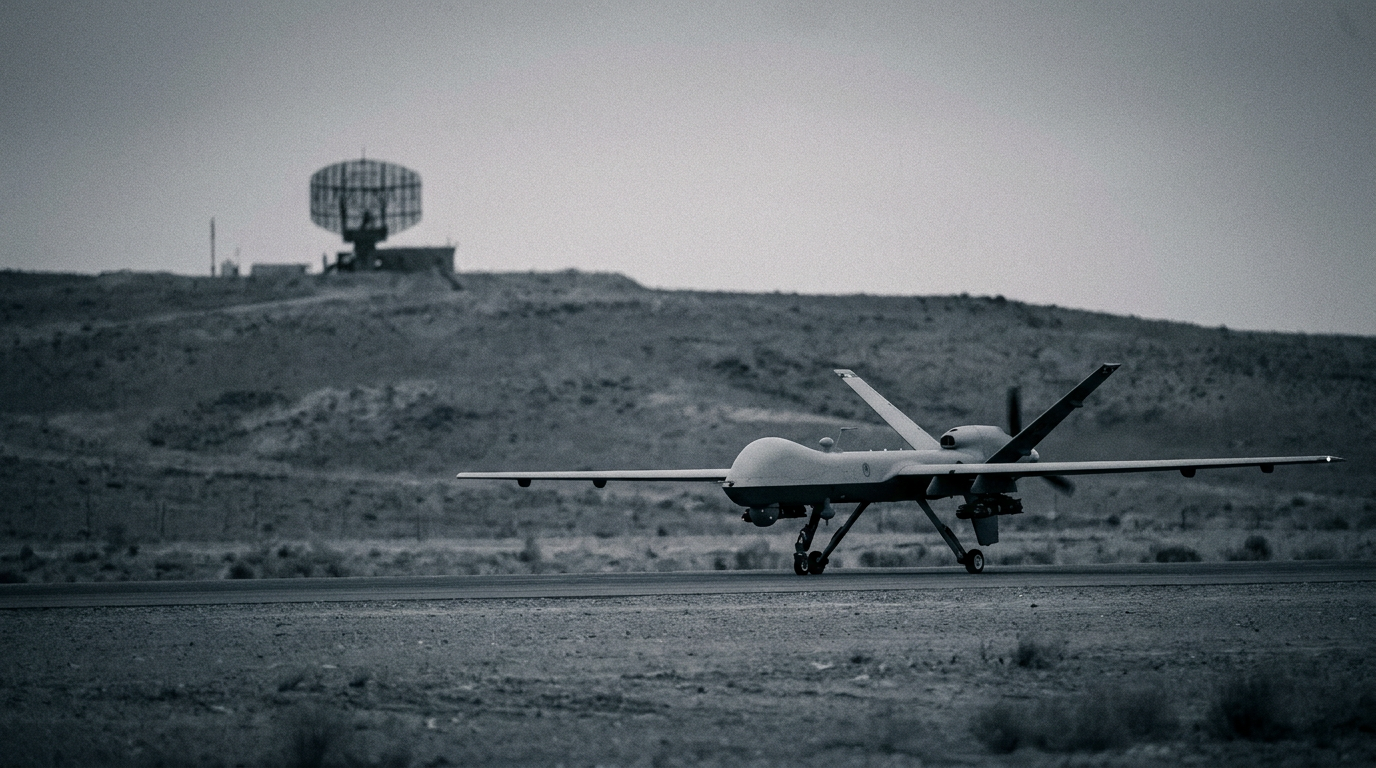
US President Signals Potential Escalation with Iran
President Donald Trump has indicated the possibility of renewed military action against Iran in the coming days, framing it as a tactic to secure a negotiated end to the ongoing conflict. This statement follows the reported cancellation of an imminent U.S. attack. Trump articulated his position on Tuesday, suggesting a narrow window for potential further strikes if negotiations do not yield progress within a few days, possibly extending into early next week.
Congressional Dissent Amidst Declining Public Support
Meanwhile, opposition within the U.S. Congress to the protracted military involvement is becoming more apparent. The Republican-led Senate cast a procedural vote Tuesday evening, illustrating growing apprehension regarding the financial burden of the conflict on American citizens. This sentiment arises just months ahead of crucial midterm elections, underscoring the domestic political implications of sustaining the war effort.
Navigating Diplomatic and Military Pressures
The White House's strategy appears to hinge on a dual approach of diplomatic negotiation bolstered by the credible threat of military force. However, the effectiveness of such a strategy is subject to Iran's response and the willingness of international partners to support U.S. objectives. The coming days will be critical in determining whether diplomacy or renewed hostilities will define the path forward.
The administration faces the complex challenge of balancing its foreign policy goals with domestic political realities and the economic consequences of prolonged military engagement. The outcome of these ongoing negotiations and the potential for further military action will significantly impact regional stability and international relations.