Iran Threatens to Extend War if US Strikes Again
Iran issued a stark warning to extend regional conflict beyond the Middle East if the U.S. launches further attacks.
Lauren Collins ·
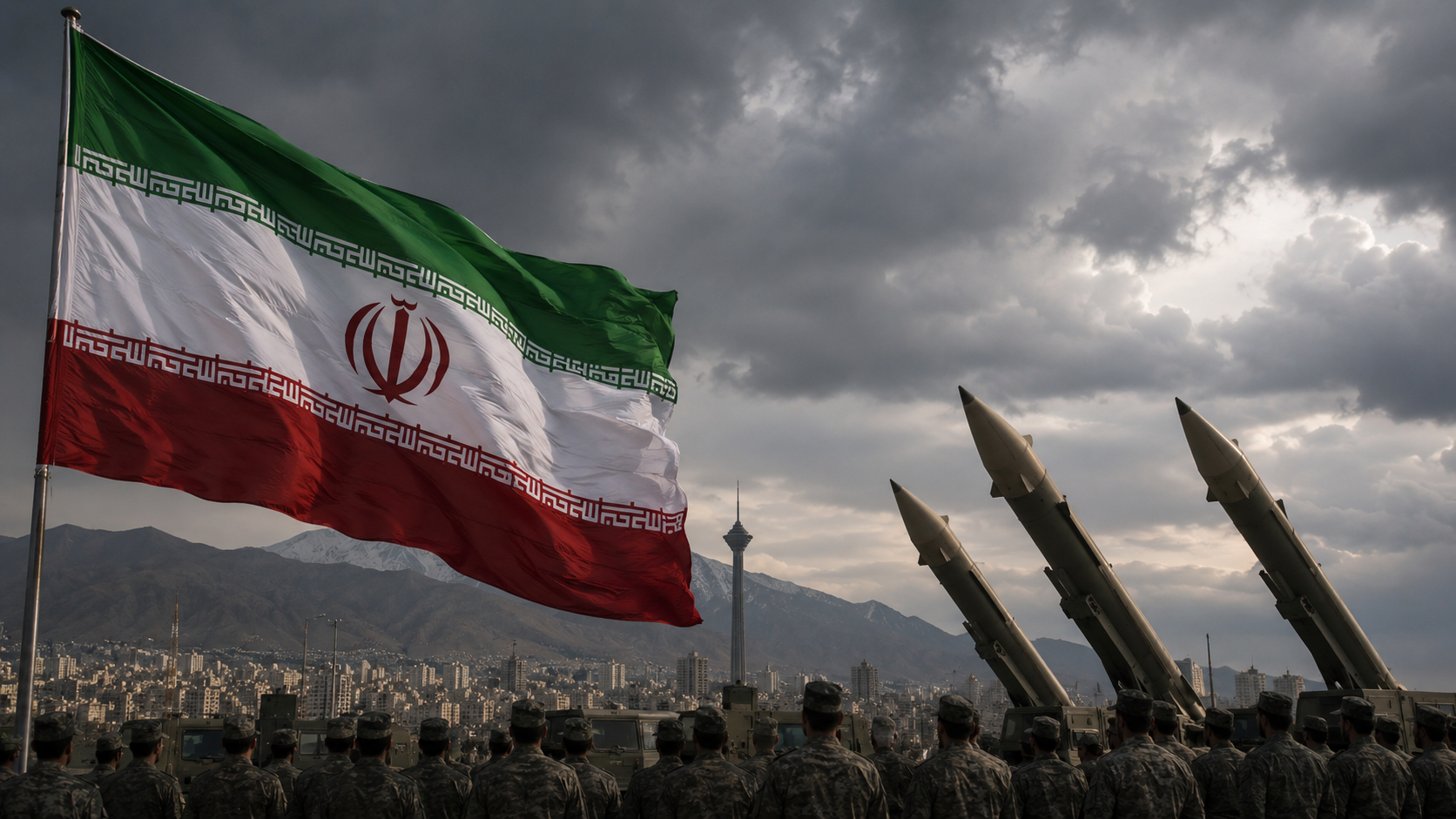
Tehran has issued a severe warning that any renewed military action by the United States could escalate the ongoing conflict far beyond its current Middle Eastern scope. " This statement follows President Donald Trump's revelation that he was mere moments away from authorizing a new bombing campaign, a decision he ultimately postponed to allow for more diplomatic avenues.
Diplomatic Stalemate Persists
Six weeks have passed since the United States temporarily halted Operation Epic Fury in anticipation of a ceasefire, yet substantive progress in ending the Iran war has largely stalled. The two nations remain at an impasse, with Iran recently submitting a new proposal to Washington. S. forces from the region.
President Trump himself acknowledged on Tuesday the precariousness of the situation, telling reporters, "I was an hour away from making the decision to go today." His previous statements on Monday echoed this sentiment, indicating that diplomacy was granted extra time only at the eleventh hour before a significant military escalation was ordered.
Shifting Dynamics in Strait of Hormuz
The critical Strait of Hormuz has seen a notable increase in maritime traffic in recent days, signaling a potential easing of Iran's de facto blockade. This waterway has been largely restricted since the conflict began in February, profoundly impacting global energy supplies. In a significant development on Wednesday, two large Chinese oil tankers carrying approximately 4 million barrels of crude successfully transited the strait.
This move follows Iran's announcement last week, coinciding with President Trump's visit to Beijing, of an agreement to relax transit rules for Chinese vessels. Further illustrating this trend, South Korea’s foreign ministry confirmed on Wednesday that a Korean tanker had passed through the strait in cooperation with Iran. While shipping data indicates a doubling of transits in the past week compared to the previous one, the current volume remains a fraction of pre-war levels.
The fluctuating U.S. posture on ending the conflict has led to considerable volatility in global oil prices. Investors are closely monitoring signs of common ground between Washington and Tehran, as market stability remains contingent on a diplomatic resolution. The benchmark Brent crude futures, while experiencing a slight dip on Wednesday, remain elevated compared to recent weeks.