Ukraine war disrupts bird populations and key habitats
Ukraine war's impact on wildlife: direct harm, habitat destruction, and ecological changes affecting bird populations and migration.
Lauren Collins ·
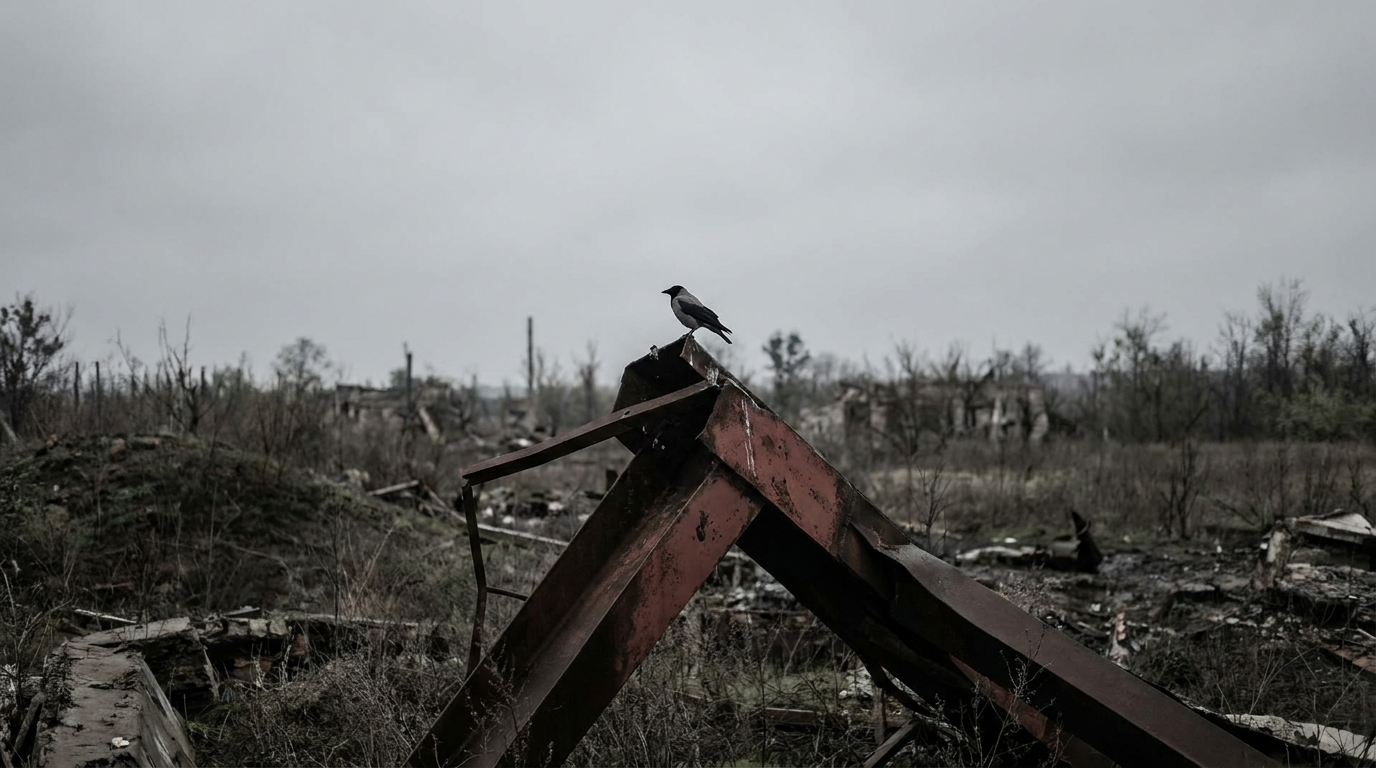
Russia’s war in Ukraine has caused direct harm to birds and reshaped parts of the country’s ecosystems since February 2022, according to ornithologists and wildlife rescuers. Drone attacks, battlefield debris and damage to infrastructure have injured and killed animals, altered migration patterns and degraded breeding and feeding grounds.
One example is a long-eared owl found after a drone strike in Zaporizhzhia in February. Rescuers said the bird suffered an eye injury and later had a wing amputated because of the damage.
Wildlife workers say the conflict has also introduced new hazards near front lines. Protective netting erected to shield roads from drones can trap birds for long periods, leading to dehydration or heart attacks. Thin fibre-optic cables used by drones have also been reported to snare owls during nocturnal hunting, causing injuries and fatalities.
Front-line hazards and changing food chains
Ornithologists say some species appear to be changing routes or timing during migration in response to the fighting. Noise pollution, fires and pollution linked to military activity have compounded the stress on wildlife, they said.
At the same time, a wartime hunting ban has coincided with increases in some game birds, including pheasants, quail and partridge, according to observations cited in the report. Other species, including ravens and robins, have declined in some areas, a shift researchers attribute to reduced food availability and sustained disturbance.
Dnipro water levels and loss of breeding grounds
Damage to river infrastructure has affected nature reserves that serve as key habitats for migratory species. In the Dnipro-Oril nature reserve, reduced water levels in reservoirs have dried parts of floodplains after Russian attacks on hydroelectric power stations and the 2023 destruction of the Kakhovka dam, according to the account.
Ornithologists said the drying has eliminated mollusc and algae populations that form an important part of the food chain. They reported the disappearance of teal, ferruginous ducks and white-fronted geese from the reserve, and described a broader decline in spring migration through the area.
White storks have also been affected, with ornithologists reporting that about one-third of nests are empty because foraging areas have deteriorated. Researchers said the trend underscores how the war’s impact extends beyond direct casualties, threatening the conditions that support wildlife populations over multiple seasons.
Scientists and rescuers said they will be watching this year’s migration and breeding seasons for further changes, especially in wetlands and reserves influenced by water management and ongoing military activity.