Prabowo Centralizes Exports to Secure Natural Resources
Indonesia plans to centralize exports of key commodities like palm oil and coal to increase state revenue and resources.
Atlas Newsdesk ·
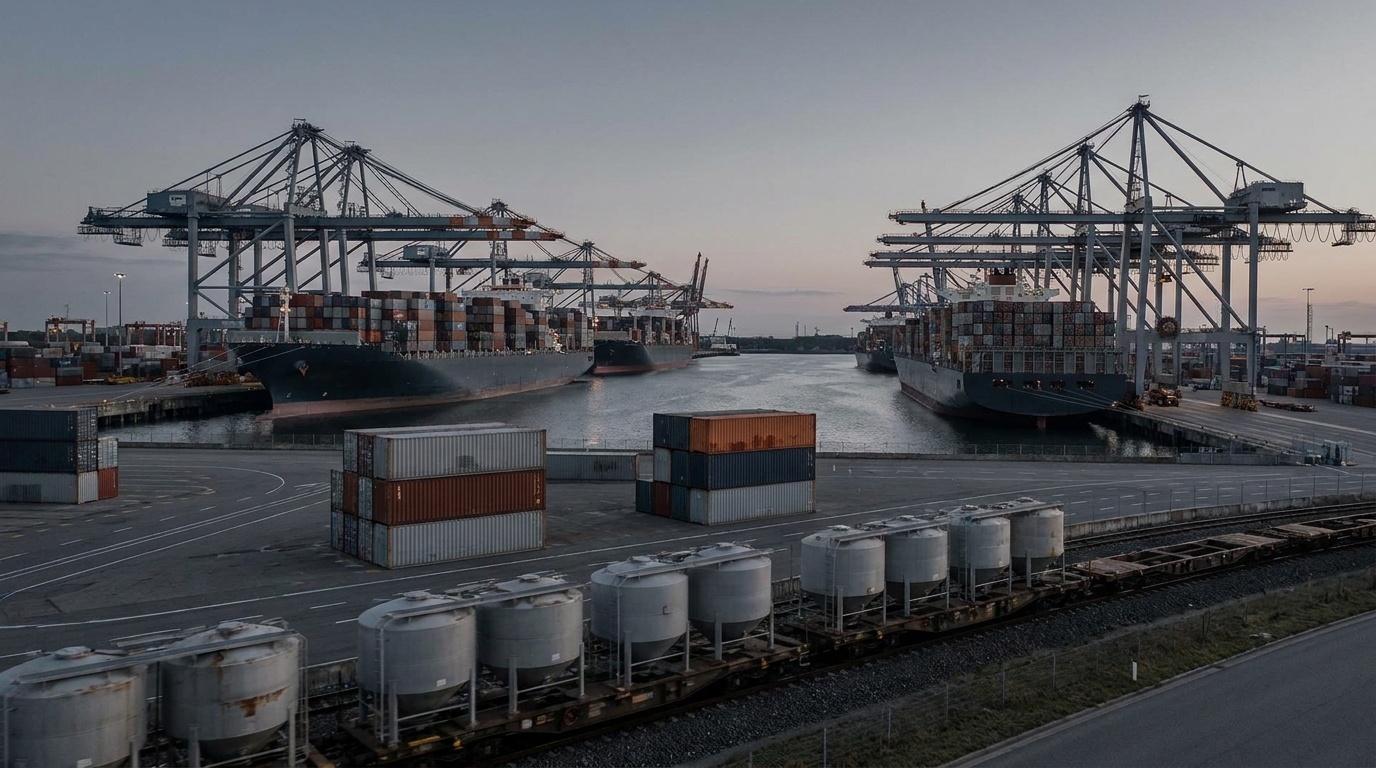
Indonesia is set to centralize the export of its major commodities, including palm oil and coal, through a single state-run enterprise. This strategic move, announced by President Prabowo Subianto, aims to bolster national revenue and assert greater government control over the nation's rich natural resources.
The policy marks a significant shift from the current practice of allowing various private entities to manage commodity sales. President Prabowo emphasized that this centralization is a vital step to prevent revenue losses, which he claims have amounted to billions of dollars over decades due to undervalued sales.
Strengthening State Control
In a parliamentary address, President Subianto declared that a new regulation would be implemented to oversee commodity exports. This directive mandates that all sales of crucial resources, such as palm oil and coal, must be conducted exclusively through a government-appointed state-owned enterprise.
This centralized approach is designed to ensure that the true value of Indonesian commodities is realized. The government believes this will lead to a more equitable distribution of wealth generated from these valuable exports and allow for better long-term resource management strategies.
Addressing Revenue Shortfalls
President Prabowo highlighted concerns that Indonesia has lost an estimated $908 billion over the past 34 years because its commodities were sold at prices lower than their actual market value. The new export regime is intended to directly combat such financial hemorrhages.
By streamlining exports through a single government body, Jakarta anticipates a substantial increase in state revenues. This move also aims to enhance the country's leverage in international trade negotiations for its globally significant exports, including being the world's largest exporter of thermal coal and palm oil.
The implementation of this policy indicates a broader trend towards greater nationalization of key industries and resources within Indonesia. It signifies a determined effort by the current administration to maximize the economic benefits derived from its natural endowments for the nation's development and financial stability.