Japan Power Supply Secure Ahead of Summer Peak Demand
Japan forecasts sufficient electricity supply for summer, avoiding calls for conservation due to ample regional capacity.
Atlas Newsdesk ·
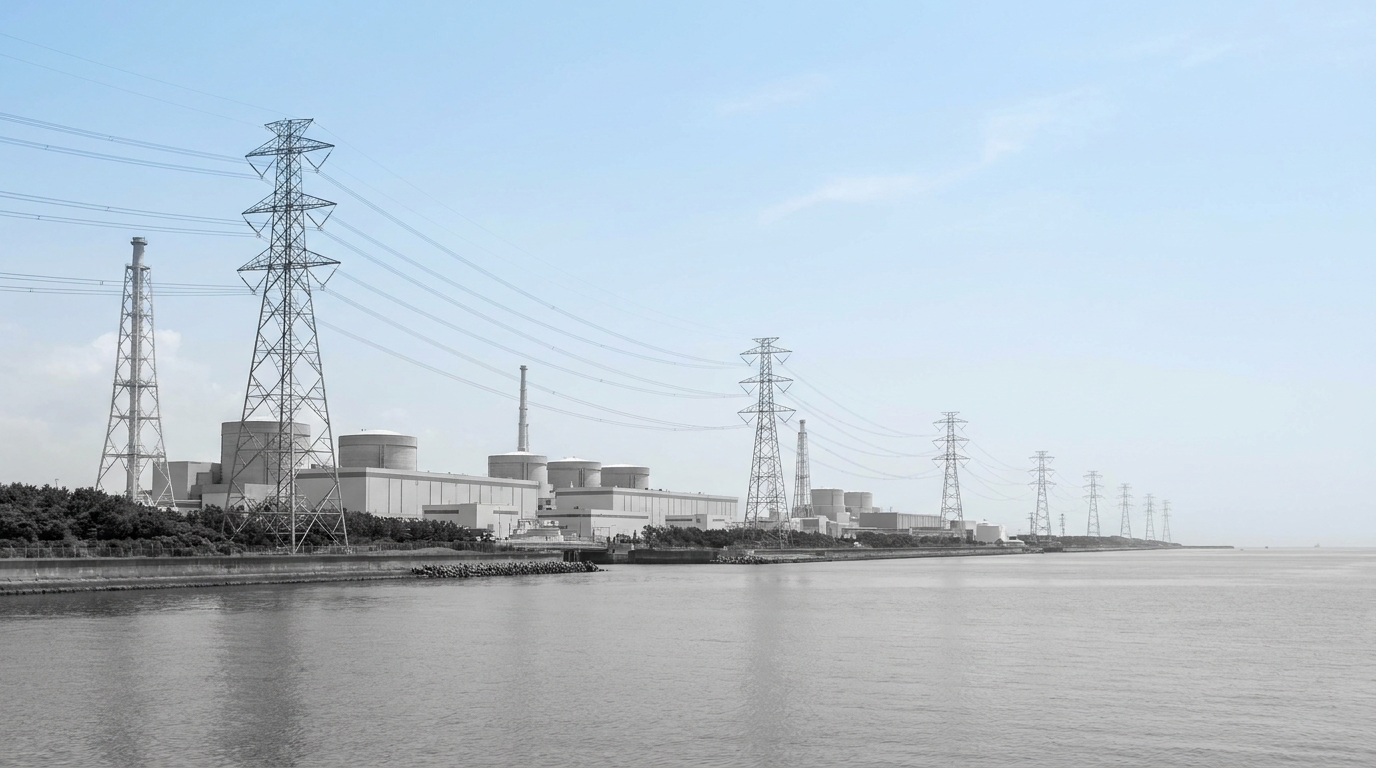
Japan's government has projected a stable electricity supply sufficient to meet demand throughout the upcoming summer period. Officials anticipate no need to request power conservation from households and businesses across all regions, based on the latest analysis of the national grid's capacity. The assessment suggests that ample power reserves will be available to cover projected consumption during the critical summer months.
Assessing Reserve Margins
The government utilizes the power reserve ratio, which measures spare electricity capacity against anticipated demand, to gauge grid stability. A minimum buffer of 3% is generally considered essential for maintaining reliability. Current projections indicate that the Tokyo metropolitan area may experience its tightest reserve margin in early August, estimated at 3.5%.
Despite this projection, the government views the expected reserve levels as adequate for normal operations. Authorities have committed to close monitoring of the situation and stand ready to implement additional supply-side measures should they become necessary. This proactive approach aims to preempt any potential shortfalls and ensure continuous power availability.
Global Energy Context
This assurance from Japan arrives amidst global energy market uncertainties, exacerbated by ongoing conflicts in the Middle East. The disruptions have highlighted the dependence of many Asian nations, including Japan, on imported fossil fuels for their energy needs. This reliance makes them susceptible to supply fluctuations and price volatility.
Other nations heavily reliant on natural gas imports, particularly from the Middle East, have faced more severe challenges. Countries like Pakistan are already experiencing significant power outages, underscoring the broader vulnerabilities within regional energy infrastructures. Japan's own energy security strategy, therefore, remains a critical focus for policymakers.
The nation has been actively working to diversify its energy sources and enhance grid resilience. Efforts include increasing the utilization of renewable energy, optimizing existing thermal power plants, and ensuring robust fuel import channels. These strategies are designed to mitigate risks associated with geopolitical instability and secure a steady power supply for the industrial and domestic sectors.
Looking ahead, the government will continue to analyze consumption patterns and weather forecasts to refine its supply management strategies. The commitment to maintaining at least a 3% reserve margin underscores the priority placed on energy security during peak demand periods. Any adjustments to policy or operational strategies will be communicated transparently to the public and industry stakeholders.