US political figures find new incentives in criticizing Israel
US media reports suggest both the left and right now see political gain in attacking Israel, highlighting its role as a divisive domestic issue.
Omar Farouk ·
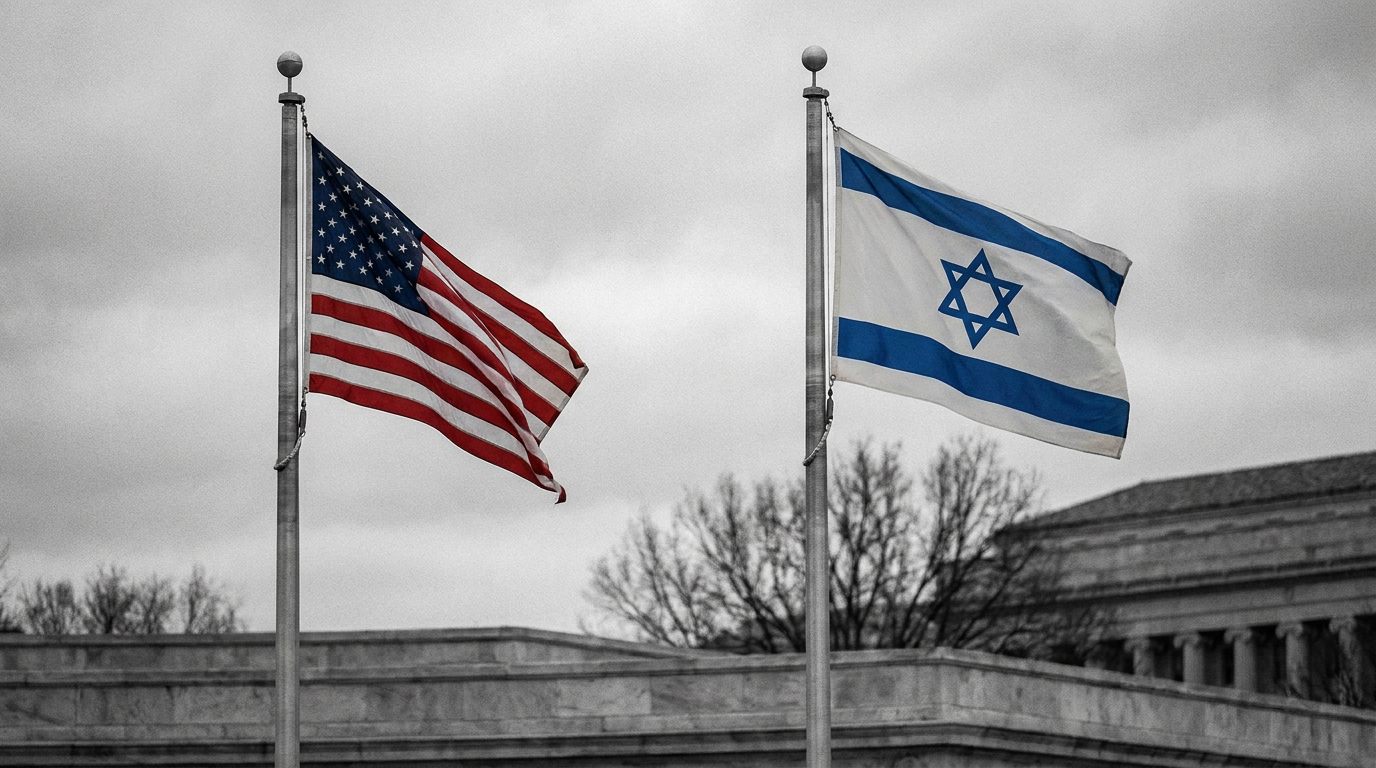
# US political figures find new incentives in criticizing Israel
An opinion piece published by The Jerusalem Post argues that a cross-ideological mix of US politicians and media personalities are increasingly willing to attack Israel because it now carries domestic political value. The article groups together Democratic Rep. Ro Khanna, conservative commentator Tucker Carlson, and former Chicago mayor Rahm Emanuel as examples of a broader US trend rather than a single coordinated campaign.
Israel An The commentary lands as Israel’s war in Gaza continues to shape politics far beyond the region, including in the United States, where support for Israel has historically been a bipartisan default in Congress. In the Middle East, the conflict has also heightened tensions across multiple fronts tied to Iran and its allies, including groups that describe themselves as the “Axis of Resistance.”
Regional flashpoints linked to the Gaza war have included attacks on shipping near the Bab al-Mandab strait by Yemen’s Houthis (a movement formally known as Ansar Allah) and heightened friction involving Israel’s military, known as the Israel Defense Forces (IDF). Iran’s Islamic Revolutionary Guard Corps (IRGC), a powerful security and military institution, has long been central to Tehran’s support for allied armed groups across the region, a network that critics say destabilizes neighbors and that Iran describes as deterrence.
For Middle East governments and armed actors, shifts in US political rhetoric can translate into real policy risk. If Israel becomes a more polarizing issue inside Washington, that could affect how quickly US administrations can assemble coalitions, sustain military aid, or coordinate regional deterrence, even if the underlying US-Israel security relationship remains intact.
Israel An The global spillover is not only diplomatic. The most immediate exposure is economic: escalation that spreads toward maritime chokepoints such as the Strait of Hormuz and Bab al-Mandab can disrupt shipping routes and raise energy risk premiums. Those channels matter to Gulf producers, to global importers, and to regional states trying to balance internal stability with public pressure over Gaza.
Watch for whether the US debate described in the opinion piece begins to map onto measurable policy positions: for example, whether members of Congress introduce or advance legislation that conditions, delays, or earmarks US security assistance related to Israel, or whether presidential candidates formally adopt new language on arms transfers and regional deterrence. The signal here is not rhetoric but votes, bill text, and executive-branch directives.