U.S. pause tests Iran attacks as diplomacy gets new space
Iran attacks have stopped for two days after the Pentagon paused U.S. air strikes, opening a narrow window for diplomacy.
Lauren Collins ·
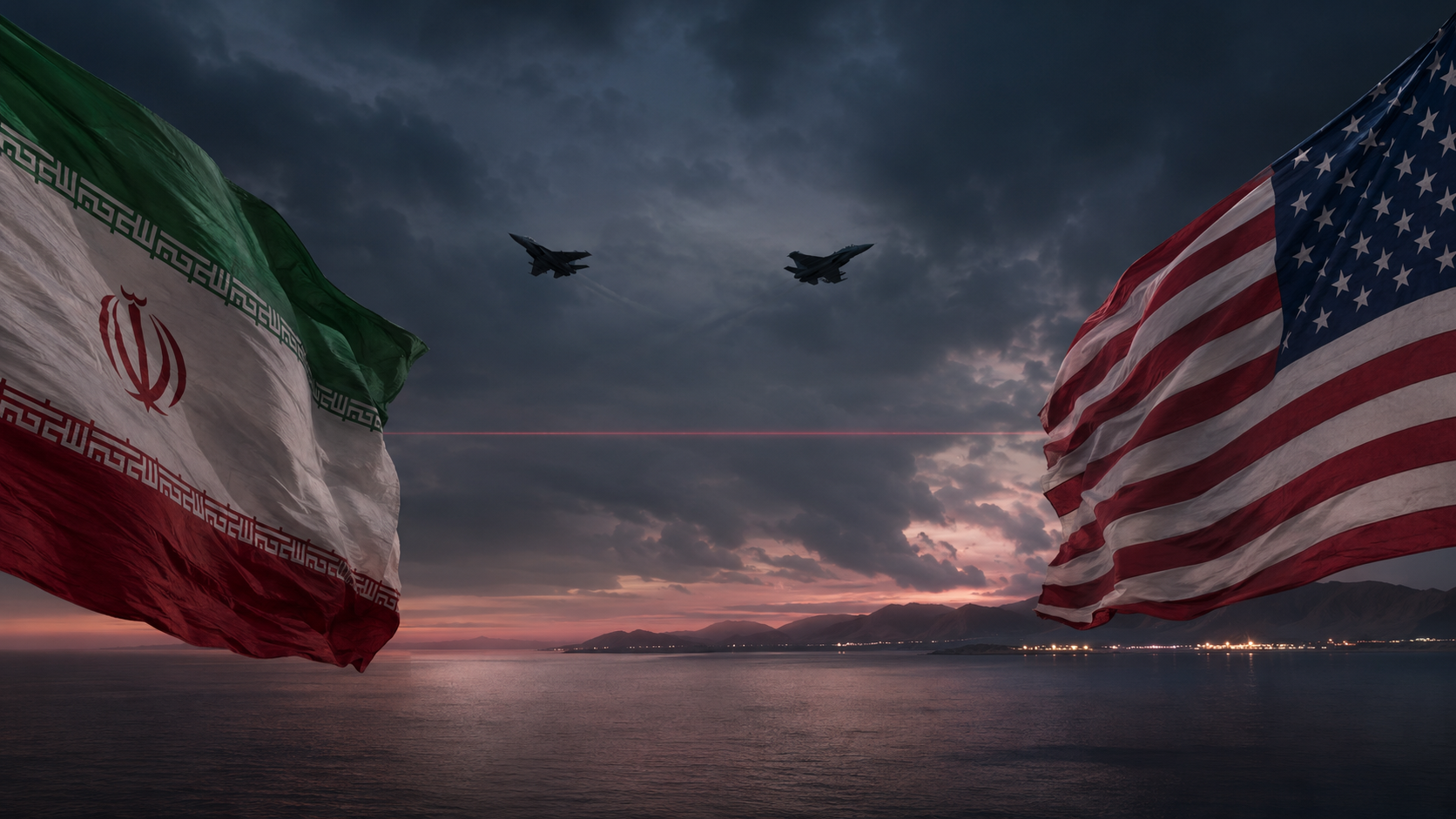
Iran attacks have stopped for two days after the Pentagon paused U.S. air strikes, opening a narrow window for diplomacy.
A senior Iranian official said Sunday that Tehran would keep its own fire suspended if Washington maintains its latest halt in air operations. The official, who spoke on condition of anonymity, described Iran’s position as reciprocal rather than conciliatory.
The pause followed 13 nights of escalating U.S. strikes on Iran, according to the account. The Pentagon suspended the operation late Friday, with no U.S. attacks reported on Saturday or Sunday, while Iran also refrained from strikes during the same two-day period.
Two quiet nights follow strikes
The immediate change is the absence of the nightly pattern that had defined the confrontation. Iran had been answering U.S. attacks with strikes on neighboring countries that host American military bases, widening the operational risk beyond Iranian territory.
That rhythm has now broken, at least temporarily. The senior Iranian official said Tehran had already passed its message to Washington: “Iran’s position remains ‘attack for attack’: if the attacks stop, Iran will also halt its operations. That message has already been conveyed to the United States.”
Waltz says talks need space
Mike Waltz, the U.S. ambassador to the United Nations, said Sunday that President Trump paused the strikes to give diplomacy more time. “He's giving talks some space, he's giving it a little bit of room,” Waltz said, without offering details on the channel, timetable or terms of any discussions.
The diplomatic opening is narrow because neither side has described a settlement framework. Washington has paused its campaign, while Tehran has framed its restraint as conditional on U.S. behavior, leaving the ceasefire-like lull dependent on the next military decision rather than a public agreement.
Attack-for-attack stance sets risk
The direct exposure sits first with U.S. forces and facilities in countries near Iran, because Tehran’s reported response pattern targeted places that host American bases. If the pause holds, those governments could get a short reduction in immediate security pressure, even if the underlying confrontation remains unresolved.
For President Trump, the decision shifts attention from military tempo to diplomatic execution. A sustained pause could allow the White House to test whether Iran’s reciprocal formula can be converted into talks, while any renewed U.S. strike would likely revive the same retaliatory logic described by the Iranian official.
The broader industry effect runs through defense readiness, aviation risk assessment and energy-market sensitivity to conflict near the Gulf. No verified market figures were provided in the source material, but the mechanism is clear: fewer strikes reduce immediate disruption risk, while a resumed exchange would push companies and governments back into contingency planning.
S. S. bases facing less immediate threat. S. attacks resume, Tehran’s stated “attack for attack” position points to renewed retaliation, raising the chance of a wider regional cycle that would pressure security budgets, transport routes and investor risk appetite. The open questions are who is mediating, what terms are being discussed and whether either side has set red lines that could end the pause without warning.