US oil stockpile dips as energy landscape evolves
US oil reserves have reached their lowest point since 2004, prompting a reassessment of global energy dynamics and adaptation strategies.
Omar Farouk ·
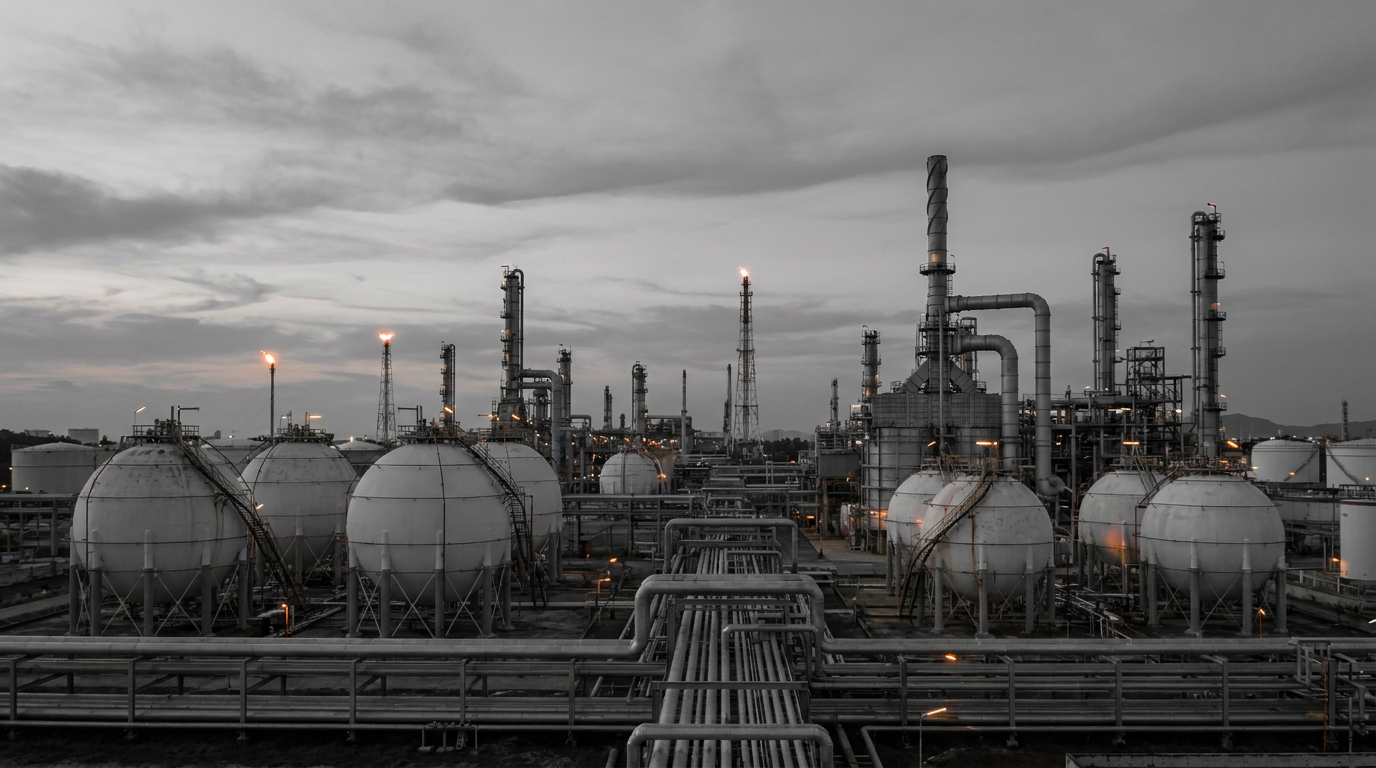
United States oil reserves have fallen to their lowest levels since 2004, a development coinciding with sustained geopolitical tensions affecting oil-producing regions. Despite these significant shifts, the broader energy market has exhibited notable adaptability, demonstrating resilience against historical precedents of supply disruptions.
Observers suggest that the current energy shock, while substantial, feels remarkably mild when compared to projections or past crises. This mitigation is attributed to several interconnected factors reshaping global energy consumption and supply chains, including shifts in major consuming nations and increased domestic production capabilities.
Global Energy Market Adaptation
The global oil market has shown unexpected stability despite ongoing supply concerns. A significant reduction in oil imports by China has played a crucial role, effectively shielding other regions from heightened volatility. This decreased demand from a major consumer has created a buffer, preventing more severe market reactions to regional conflicts.
Furthermore, an increase in domestic oil production within the United States has substantially altered the nation's energy independence. This enhanced output capacity means that the U.S. is less vulnerable to international supply shocks compared to the 1970s energy crisis, which heavily impacted the nation's economy.
Shifting Global Energy Priorities
The current global environment is accelerating a broader transition towards renewable energy sources, particularly in regions traditionally reliant on Middle Eastern oil. European and Asian nations, facing potential disruptions to seaborne exports from the Gulf, are intensifying their investments in sustainable energy infrastructure.
This strategic pivot reflects a growing recognition that diversifying energy portfolios is essential for long-term economic stability and security. The impetus provided by recent geopolitical events is likely to cement renewable energy as a cornerstone of future national energy policies.
Implications for Future Energy Security
The ongoing trends suggest a fundamental re-evaluation of energy security paradigms globally. While reduced oil reserves in the U.S. highlight a tactical concern, the broader market resilience and a strategic shift towards renewables underscore a nascent global energy transformation. This transition aims to reduce reliance on volatile fossil fuel markets and foster greater energy self-sufficiency among nations.
Monitoring future developments in renewable technology adoption and the stability of major oil-consuming markets will be crucial. These factors will continue to influence global energy prices and the pace of the transition away from traditional hydrocarbon sources.