

Insurance Premiums for Strait of Hormuz Transit Reach Reported $64m
Acting U.S. Navy Secretary Hung Cao reported that war-risk insurance for Strait of Hormuz transits has reached $64 million, signaling severe disruption to…
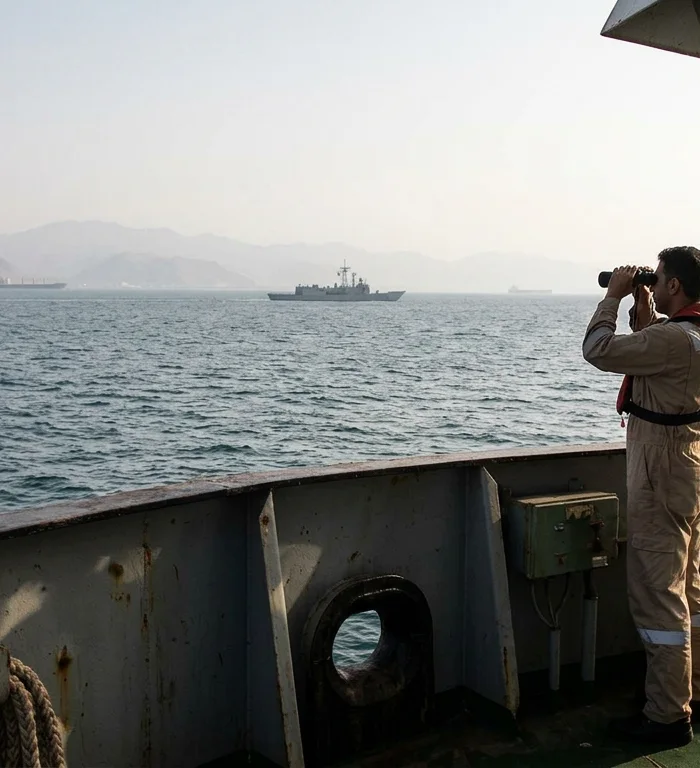
Acting U.S. Navy Secretary Hung Cao testified before the Senate Armed Services Committee that war-risk insurance premiums for commercial vessels transiting the Strait of Hormuz have reached approximately $64 million per transit. This figure, presented during a confirmation hearing, highlights the significant economic and operational volatility currently affecting one of the world’s primary energy transit corridors.
The reported surge in insurance costs follows the initiation of military operations between the U.S., Israel, and Iran on February 28. While the waterway remains technically open, shipping volumes have declined significantly below pre-conflict levels as Iran continues to impose restrictions and target vessels deemed unauthorized.
Industry analysts have noted that the $64 million figure is exceptionally high compared to previous market estimates. While war-risk premiums have risen to between 7.5% and 10% of a vessel's hull value, other recent industry reports have placed the cost of moving oil cargo through the region at between $10 million and $20 million. The discrepancy suggests that actual costs may vary significantly based on vessel type, cargo value, and specific risk assessments.
Beyond the economic impact on global energy and Beyond the economic impact on global energy and fertilizer supplies, the testimony underscored the operational strain on U.S. naval forces. Lawmakers expressed concern regarding the sustainability of prolonged deployments and the mental health of service members tasked with escorting commercial traffic through the contested waterway.
As the conflict persists, the reliability of the Strait of Hormuz remains a critical point of contention. The divergence between official government claims of successful navigation and the prohibitive insurance costs reported by the maritime sector indicates a sustained high-risk environment for global shipping. Policymakers are expected to continue monitoring these premiums as a primary indicator of the waterway's functional security.
More stories
- Germans oppose Ukraine aid as poll shows support slipping
- Kim Jong-un receives 10 envoys after constitutional shift
- Ukraine claims Libya strike sinks Russian naval corvette
- COP31 climate talks collapse over fossil fuels and funds
- Russian military faces 1,087 recorded suicides in Ukraine war
- US faces China, Russia in Africa minerals contest
- Russian man faces 15 years over alleged Palantir spying
- BN-PN takes 24 of 28 Melaka seats
- Policy Alert seeks Nigeria hearing over $50bn offshore plan
- WHO rejects Nigeria outbreak label after 1 imported Ebola case
Latest news
- Trump prepares tariffs on China and other major exporters
- New-car buyers pay record average $50,087 in October
- Banks face ECB reserve debate over liquidity and profits
- Investors see Anthropic debut gains fade below $83 a share
- Iraq orders federal control over Kurdish-area oilfields
- Nvidia shares retreat as AI rally cools before PCE data
- Macy’s parade faces balloon limits as storm winds approach