US-Iran strikes test ceasefire as Tehran ends interim deal
US-Iran strikes intensified after troop deaths in Jordan, raising risks for Gulf security, oil markets and Middle East travel.
Atlas Newsdesk ·
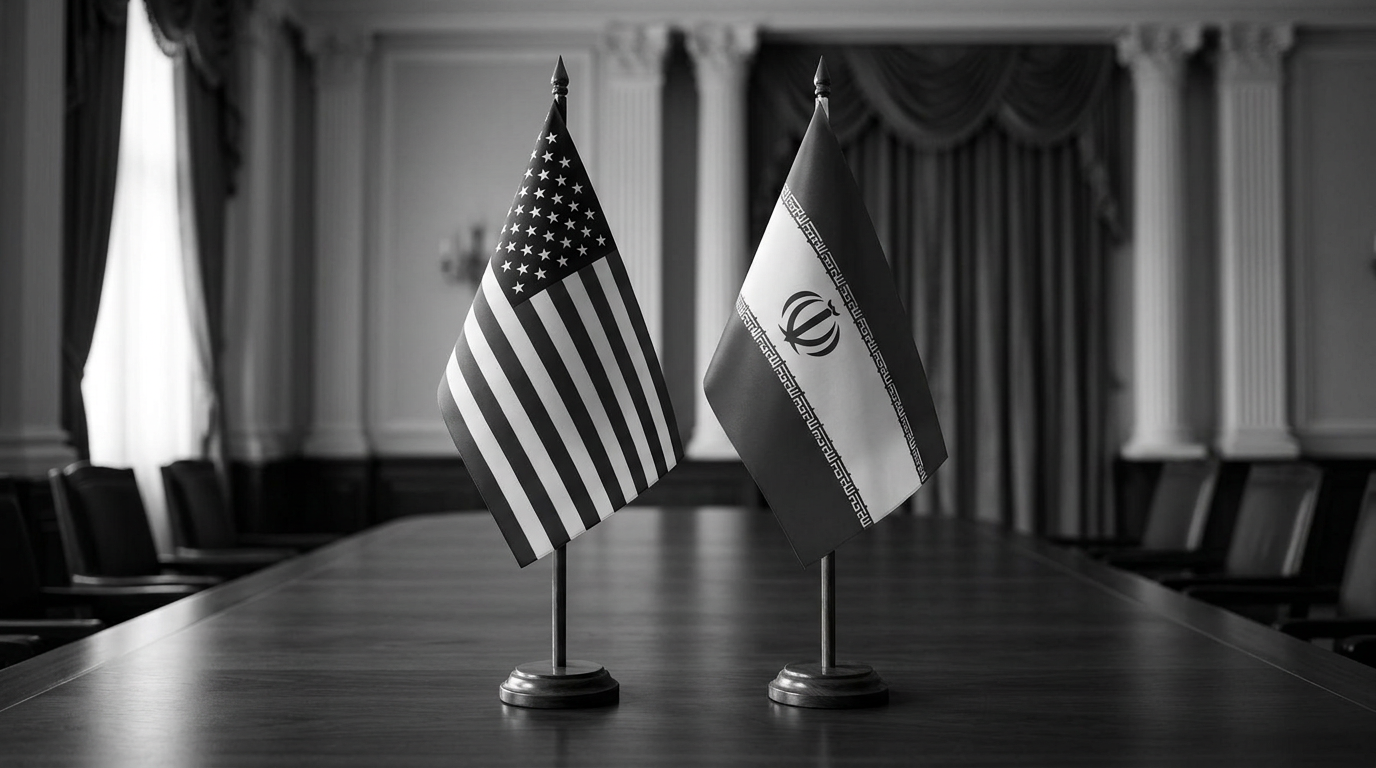
US-Iran strikes escalated after two US service members were killed in Jordan. Oil, travel and Gulf security risks are rising.
The latest US action came Saturday, one day after Iranian missile and drone attacks hit American personnel in Jordan, according to US officials cited in the source material. Four other troops were wounded and one was missing after the attack, pushing the reported US death toll in the conflict to 16 since February 28.
Jordan deaths trigger retaliation
US Central Command said the strikes were designed to weaken Iran’s ability to threaten commercial shipping and punish Islamic Revolutionary Guard Corps forces tied to the Jordan attack. The command also said earlier US strikes had hit surveillance sites, military logistics infrastructure, underground weapons storage and maritime capabilities.
The exchange has moved the conflict further away from the fragile pause reached last month. That 60-day arrangement was meant to create space for talks over reopening the Strait of Hormuz and limiting Iran’s nuclear program.
Tehran said Saturday it would no longer follow the interim deal after heavy attacks on Gulf neighbors including Kuwait and Jordan. Iranian Supreme Leader Mojtaba Khamenei warned of “unforgettable lessons” for the US and argued that Washington had shown the US president’s signature to be “worthless and invalid.”
Kuwait strike broadens targets
The fighting is no longer limited to military installations. Recent attacks have reached bridges, utilities and port facilities, a shift that raises the cost for civilians and gives regional governments less room to treat the conflict as contained.
Kuwait Airways rescheduled most of its flights after the attacks, while Kuwait’s Ministry of Electricity and Water responded to a fire at a power and desalination plant. Kuwait’s foreign ministry condemned the strikes, saying repeated attacks on vital installations revealed a systematic approach aimed at civilian assets.
Iranian officials said US attacks since June 27 had killed 50 people and injured more than 500. Iran also struck US radar and aircraft in Qatar, according to the source material, adding strain to one of the main mediation channels between Washington and Tehran.
Oil and travel risks rise
The US State Department urged Americans to reconsider travel through or to the Middle East because of the risk of “unforeseen escalation.” It also advised travelers who decide to proceed to check with airlines before departure, a practical warning as carriers adjust routes and schedules.
Energy markets are already reacting to the military risk around Gulf shipping lanes. Brent crude rose about 4.6% Friday and settled near $88 a barrel, marking its largest weekly gain since April, according to market figures cited in the source material.
President Donald Trump told the nation Thursday night that the US was “winning big in Iran,” while China and Pakistan called for both sides to stop fighting and return to talks. The competing signals leave governments, airlines and energy traders watching whether the conflict stays concentrated around military targets or spreads further into commercial infrastructure.
Shipping lanes set the scenarios
If the exchange remains limited to targeted military sites, the macro effect would likely run through risk premiums rather than a full shock to supply. In that case, the US would face pressure to show deterrence without widening the campaign, while airlines, insurers and oil shippers would price in higher but manageable Gulf risk.
If attacks on ports, desalination plants, bridges or vessels expand, the mechanism changes. Higher freight insurance, delayed cargoes and more volatile oil prices would feed into global inflation risks, force Washington into harder military choices and push Gulf carriers, refiners and logistics firms into emergency routing decisions.
The largest open question is the Strait of Hormuz. Mehran Kamrava, a professor of political science at Georgetown University’s campus in Qatar, said the attacks are “an ominous sign of more to come, worse to come,” warning that both sides had become trapped in a cycle of attacks and counterattacks on critical infrastructure.