Boeing 787 bottlenecks test Dreamliner delivery plan now
Boeing 787 supplier bottlenecks are slowing Dreamliner momentum as Boeing Co. tries to raise 737 output and rebuild cash generation.
Atlas Newsdesk ·
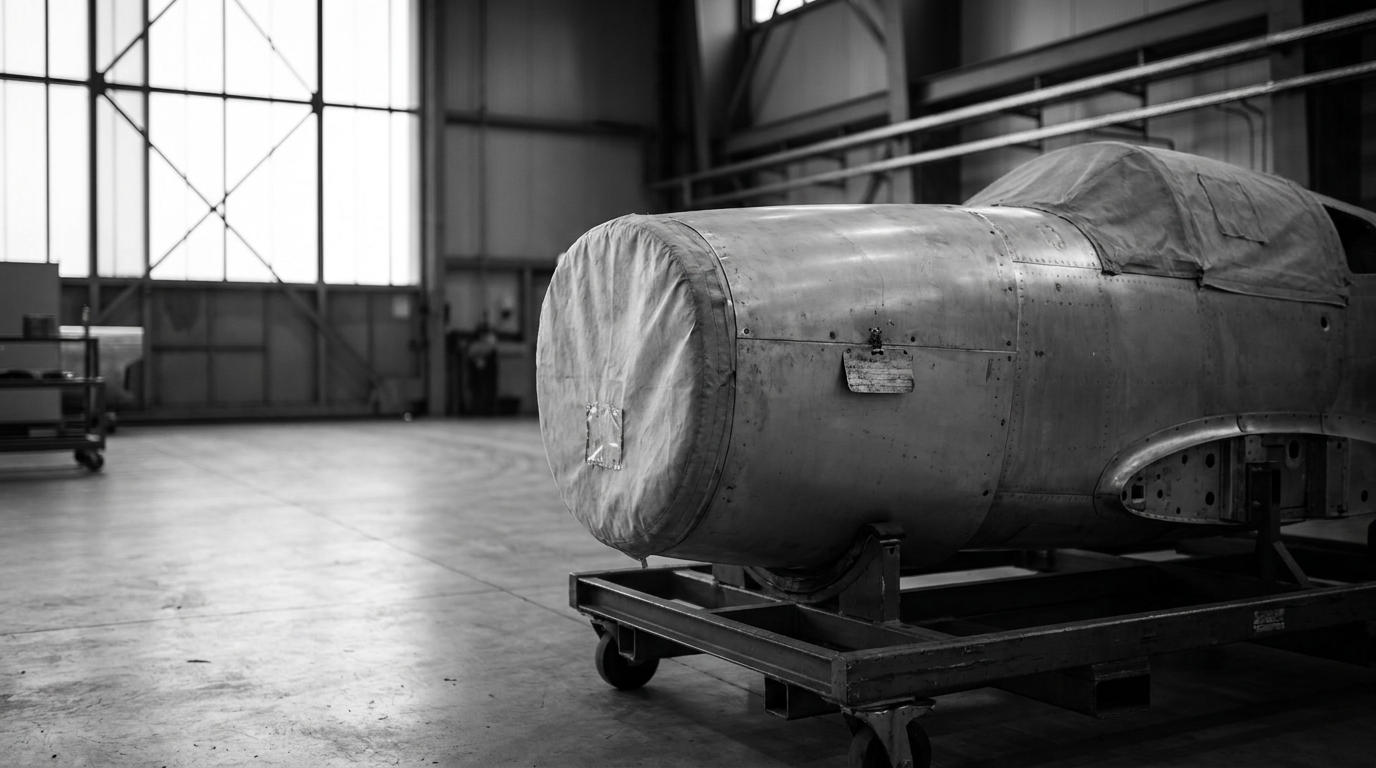
Boeing 787 supply bottlenecks are slowing Dreamliner deliveries as Boeing Co. tries to lift jet output and rebuild cash.
The pressure point is not demand; it is the industrial system behind the aircraft. Stephanie Pope, head of Boeing’s commercial airplane unit, told reporters before the Farnborough International Airshow that cabin items and engines remain difficult to manage, with propulsion setting the speed for parts of the recovery.
Engines set the Dreamliner pace
Pope described the supply base as unsettled, saying, “The supply chain is still a little bit volatile.” She added, “Propulsion is going to be a pacing item for us,” pointing to GE Aerospace engine availability as one constraint on the 787 Dreamliner.
Seat certification is another obstacle for the widebody program. Those approvals, combined with engine supply, could limit Dreamliner handovers and slow Boeing’s plan to increase output of a model that is central to its cash recovery.
737 rate increases carry the balance sheet
Boeing is also trying to lift production of the 737 family, its most important narrowbody line, from about 42 jets a month to 63 over several years. Pope said the company is concentrating first on holding a rate of 47, then moving to 52 before deciding on later increases.
The 737 plan matters because narrowbody aircraft dominate short-haul flying worldwide and generate the scale needed to support Boeing’s finances. Higher delivery volumes would help the company reduce debt, improve cash flow and compete more directly with Airbus SE in the most profitable part of the commercial aircraft market.
Certification remains a second test of Boeing’s recovery. Pope said Boeing expects approval for the smallest 737 Max version in the “near future” and said flight testing for the largest 737 variant is nearing completion.
FAA authority returns before Farnborough
Boeing entered the airshow week with a regulatory gain. On Friday, the Federal Aviation Administration restored Boeing’s authority to issue airworthiness certificates for 737 Max and 787 Dreamliner aircraft before delivery, a power the regulator had removed after manufacturing problems.
The FAA decision does not remove scrutiny, but it gives Boeing more control over the final delivery process. For airlines, steadier certification and handover procedures would matter because delayed aircraft can affect route planning, fleet renewal and maintenance schedules.
The 777X remains another marker for Boeing’s long-haul ambitions. Pope said Boeing expects to deliver the intercontinental twinjet to customers in 2027, a milestone watched closely because the aircraft has faced years of delays and cost overruns.
A new jet waits for engines
Boeing is also doing early work on its next clean-sheet aircraft, though a formal launch is not expected until roughly the end of the decade. Pope said airlines need to see the market ready for that aircraft, especially on engine durability and fuel efficiency.
If engine and interiors supply stabilizes, Boeing can push more 787 and 737 deliveries through its system, strengthening cash generation and giving airlines more fleet certainty. That path would ease pressure on global aircraft capacity and increase competitive pressure across the narrowbody and widebody supply chain.
If propulsion shortages or certification delays persist, the mechanism runs in the opposite direction: fewer handovers, slower debt repair and tighter aircraft availability for carriers. The key open questions are how quickly GE Aerospace can support Dreamliner engine needs, whether seat approvals clear without further delay and how closely the FAA continues to monitor Boeing’s production system.