House Passes 215-208 War Powers Bid to Halt Trump’s Iran War
The U.S. House voted to end the Iran conflict, a symbolic move facing presidential veto and Senate opposition.
Lauren Collins ·
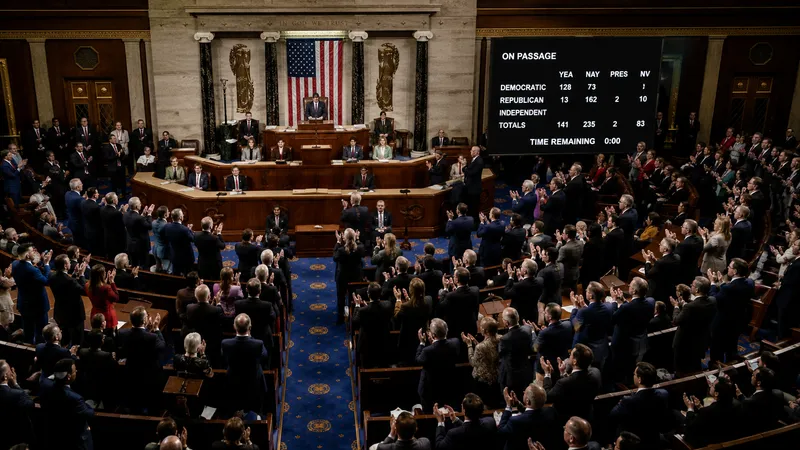
The U.S. House of Representatives voted on Wednesday, June 3, 2026, to approve measures designed to curtail President Donald Trump's military actions against Iran. This vote, occurring four months into the conflict, marks the first successful legislative attempt to compel the U.S. to halt hostilities, which have led to thousands of civilian casualties and significant global trade disruptions.
Bipartisan Support for Restraint
The resolution passed with 215 votes in favor and 208 against. Four Republican representatives joined Democrats in supporting the measure, signaling increasing bipartisan concern. This concern stems from the conflict's economic impact on American citizens and the administration's inability to secure a lasting peace agreement with Iran. Democrats invoked the War Powers Act, emphasizing Congress's constitutional authority to declare war, arguing that the Trump administration bypassed this power by initiating military operations without prior congressional approval.
Challenges Ahead for the Resolution
Despite the House's vote, the resolution faces considerable obstacles. Its immediate effect is largely symbolic, as President Trump retains the power to veto legislation. Additionally, the Republican majority in the Senate makes it improbable that the measure will pass in that chamber, where earlier efforts to limit the conflict have failed. Even if the Senate were to approve the resolution, overriding a presidential veto would necessitate a two-thirds majority in both chambers, a difficult task given current political alignments.
Implications for U.S. Foreign Policy
While immediately symbolic due to anticipated Senate opposition and a potential presidential veto, the House's vote indicates a growing domestic political constraint on U.S. foreign policy, especially regarding military engagements. The bipartisan unease over economic repercussions and the lack of a clear resolution path could encourage other nations to apply diplomatic pressure for de-escalation, potentially shifting the geopolitical dynamics in the Middle East. This legislative action underscores the ongoing tension between executive war powers and congressional oversight, a recurring theme in past conflicts, and might establish a precedent for future challenges to presidential military initiatives.
Nevertheless, the absence of a unified front across both legislative chambers introduces significant uncertainty, risking prolonged instability and continued trade disruptions if the conflict endures. Ultimately, this move could foster increased diplomatic efforts to mitigate the conflict's humanitarian and economic fallout, even if direct U.S. military action remains largely unchanged without broader political consensus.