GOP Joins Democrats to Restrict Iran Military Action
House votes to restrict President's military authority against Iran, requiring congressional approval for sustained hostilities beyond defense.
Lauren Collins ·
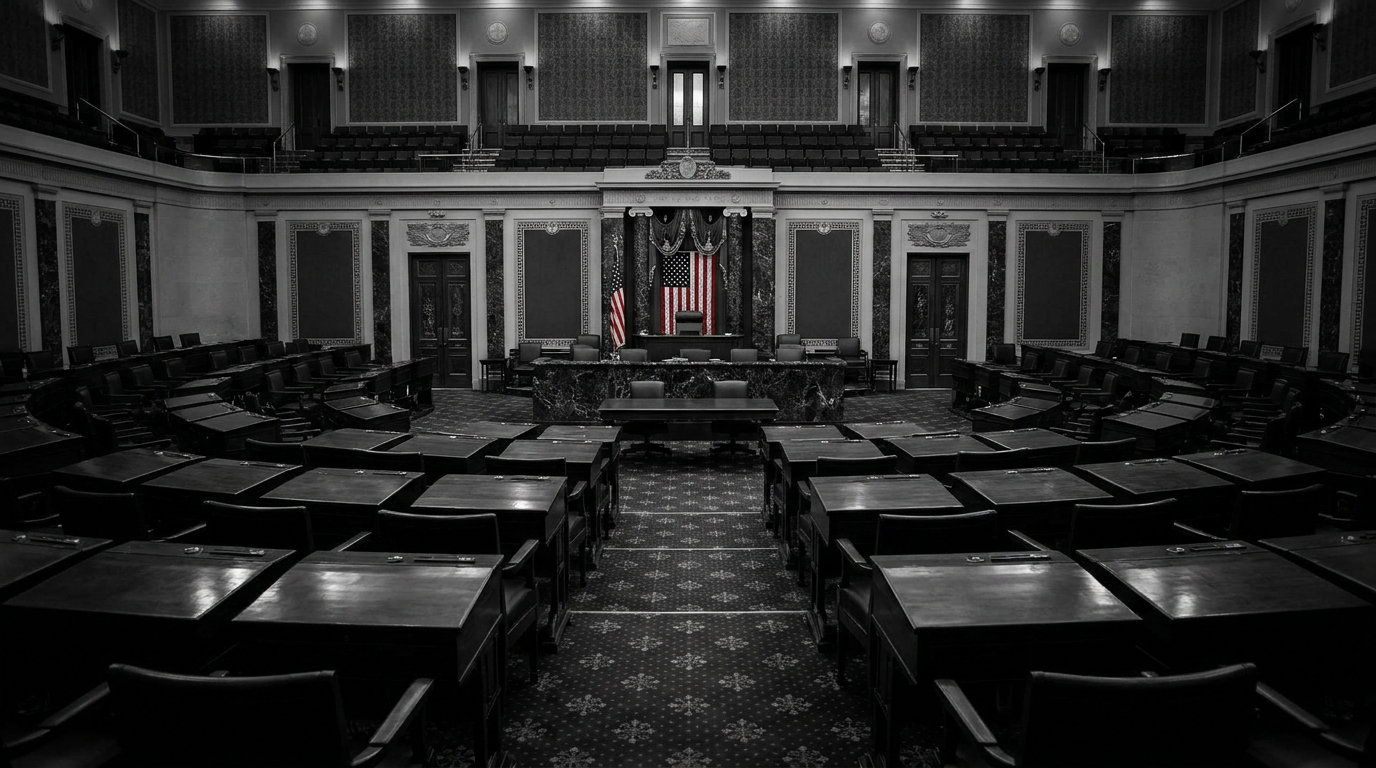
The U.S. House of Representatives has passed a resolution aimed at limiting the President's discretion in military engagements with Iran. The bipartisan vote signals a legislative effort to reassert congressional authority over declarations of war and the deployment of armed forces abroad.
The measure, which directs the President to cease hostilities against Iran unless explicitly authorized by Congress or for defense against immediate threats, passed with a narrow margin. This action reflects concerns among some lawmakers about the potential for protracted conflict without legislative oversight.
Bipartisan Support for Oversight
The resolution garnered 215 votes in favor, with 208 opposed, demonstrating a notable split within the Republican party. Four Republican members crossed party lines to support the measure, aligning with the Democratic caucus in advocating for greater checks on executive military power.
This outcome highlights a significant push to ensure that decisions regarding military engagement, particularly those involving potentially large-scale operations in critical regions, are made with the direct consent and deliberation of the legislative branch. The vote underscores a recurring debate over the balance of power in foreign policy.
Escalating Tensions and Legislative Response
The vote comes amidst heightened tensions between Washington and Tehran, particularly concerning navigation in the Strait of Hormuz. While a fragile ceasefire reportedly remains in place, ongoing disagreements and recent skirmishes signal a volatile situation.
The U.S. has continued to enforce blockades of Iranian ports, contributing to an environment where military confrontation remains a present risk. Negotiators from both sides reportedly remain far apart on key issues, suggesting a path to de-escalation is not readily apparent.
Implications for Executive Authority
The House resolution directly challenges presidential authority traditionally exercised in foreign military interventions. It seeks to prevent the executive branch from initiating or continuing military actions against Iran without a formal declaration or specific legislative mandate.
This legislative move could set a precedent for future congressional engagement on military actions, particularly those conducted without a clear and immediate threat to national security. The resolution now moves to the Senate, where its fate will further define the future distribution of war powers.