US Congress Israel debate sharpens as ‘Free Palestine’ gains visibility
"Free Palestine" sentiment is entering the US political mainstream, deepening Democratic divisions and challenging Washington’s Middle East policy.
Omar Farouk ·
# US Congress Israel debate sharpens as ‘Free Palestine’ gains visibility
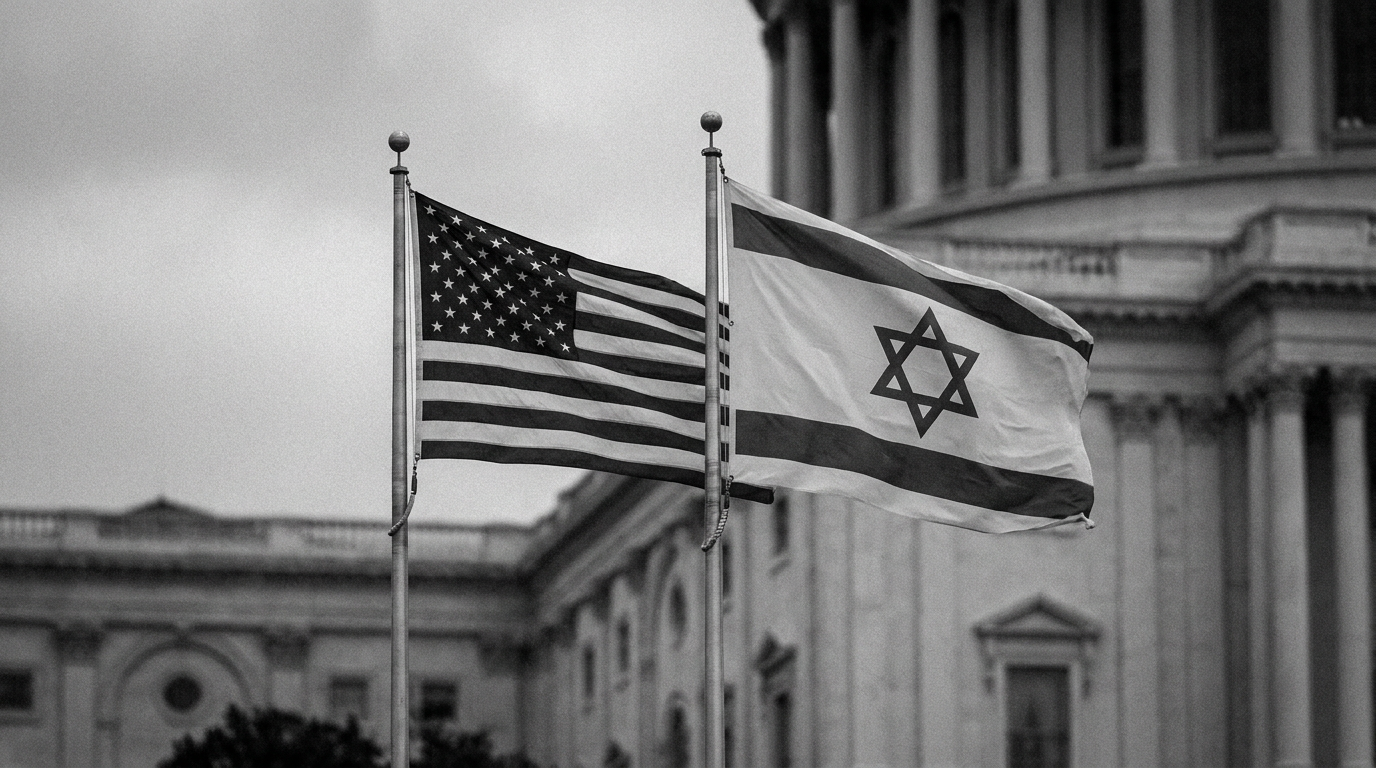
An opinion article published by The Jerusalem Post argues that pro-Palestinian slogans, including “Free Palestine,” are becoming more common in US political life and could reshape the congressional debate on Israel and the Palestinians. The piece frames the shift as deeper than a routine partisan fight, describing it as a structural change inside the Democratic Party with potential consequences for US policy.
US Congress Israel
The argument lands at a moment when the Israel–Palestine conflict is again a high-salience issue in Washington, and when US lawmakers face regular votes and statements that signal where their coalitions are headed. Because the source is explicitly labeled opinion, its central claim is a forecast and interpretation, not a verified count of lawmakers or a documented whip tally.
For decades, US support for Israel was treated as a bipartisan constant in Congress, expressed through security cooperation, diplomatic backing, and routine majorities on Israel-related measures. The opinion piece argues that this bipartisan reflex is weakening, particularly among Democrats, and that the rhetorical space for explicitly pro-Palestinian framing is wider than it was in prior cycles.
Several regional files intersect with this Washington debate. The Abraham Accords, the 2020 normalization agreements between Israel and several Arab states, were designed to change the region’s diplomatic geometry by expanding open ties between Israel and parts of the Arab world. The opinion column suggests that if US politics shifts meaningfully, the assumptions underpinning US-backed regional alignment could be tested, especially where Gulf and Israeli security expectations rely on steady American political support.
If the Democratic caucus continues to fragment on
If the Democratic caucus continues to fragment on Israel–Palestine, it could complicate
US crisis management in the Middle East, where signaling from Washington often depends on congressional unity as much as the White House message. A more divided Congress can make it harder to sustain predictable aid packages, arms transfers, or diplomatic cover at the United Nations, even when the administration’s policy line is unchanged.
The spillover risk is regional and global. Any perceived weakening of US political support for Israel can change the calculations of regional actors, including Iran-aligned groups and US partners that plan around American commitments. It can also feed uncertainty in energy and shipping corridors, where escalation risks are priced quickly; the Strait of Hormuz and Bab al-Mandab are the two chokepoints most likely to transmit Middle East instability into global oil and maritime markets.
By 2024-09-01, watch for falsifiable signals from named congressional leaders and formal congressional actions: leadership statements that endorse or reject major policy changes, introduced legislation that conditions or restructures US assistance, and whip-facing votes that force members to choose between existing Israel policy and a revised approach framed around Palestinian rights. If more influential Democrats publicly align with the “Free Palestine” narrative or back bills that materially shift US aid or diplomatic posture, the opinion thesis gains support; if bipartisan majorities repeatedly reaffirm existing policy through votes and leadership messaging, it weakens.