

UNHCR warns aid cuts expose refugees to trafficking
Detected trafficking cases in Cox’s Bazar rose 28% in 2024–25 as UNHCR budgets fell and refugee arrivals increased, the studies said.
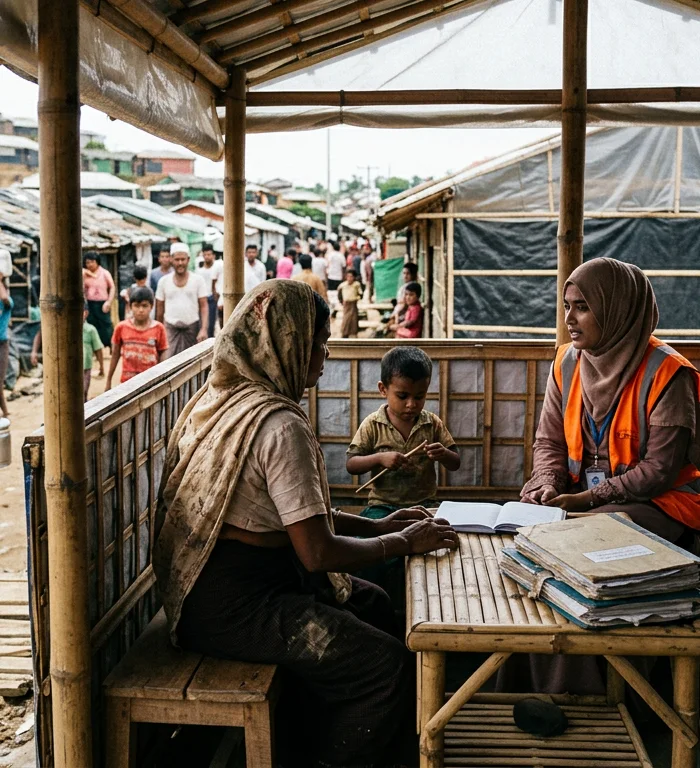
The UN Refugee Agency and Oxford’s Nuffield College warned in studies released Monday that aid cuts are raising refugees’ exposure to exploitation, abuse and human trafficking.
Detected trafficking cases in Cox’s Bazar, Bangladesh, rose 28% between 2024 and 2025, while UNHCR’s operational budget fell by more than 8% over the same period, the studies said.
Cox’s Bazar hosts more than 1 million Rohingya refugees from Myanmar in what the UN describes as the world’s largest refugee camp. More than 170,000 new refugees arrived there between 2024 and 2025, adding pressure as funding declined.
The findings come as the US and many other countries have reduced development aid funding. For humanitarian agencies, the figures point to a widening gap between displacement needs and the protection services meant to reduce risks for refugees, especially children.
In Ethiopia, less than one-third of UNHCR’s 2025 funding needs were met, according to another study by UNHCR and Oxford. Only 18% of planned child-protection measures could be funded.
The studies said child labour rose to alarming levels in Ethiopia, with more minors found working in agriculture and informal mining. Girls faced increased risks of sexual exploitation, early marriage and forced labour, the studies said.
“The situation remains dire in 2026,” the authors said.
“UNHCR’s global child protection programmes are only 25 per cent funded, and efforts to prevent and respond to gender-based violence were just 24 per cent funded as of July 2026,” they said.
The Cox’s Bazar figures refer to detected trafficking cases, a narrower measure than total trafficking.
The findings place Africa’s refugee-protection systems inside a broader funding squeeze. Ethiopia’s shortfall is especially significant because child-protection and gender-based-violence programmes depend on sustained staffing, case management and referral services.
Source: studies by UNHCR and the University of Oxford’s Nuffield College via Daily Trust, Nov. 17, 2026.
More stories
- Monrovia mayor-designate seeks $14.5m city budget
- Iran's attacks hit 25 tankers near Strait of Hormuz
- Russia strikes Ukraine as Odesa faces electricity strain
- Bahrain reports two injuries after Iranian aerial attacks
- Baltic responders fight Sparta II fire after drone strike
- Estonia to close 5 Russia road crossings for six months
- Portugal targets more than 20,000 electric cars with subsidies
- Kallas faces EU role doubts after seven-member Ukraine talks snub
- Makura cites 50 AfCFTA ratifications in Africa image challenge
- Indonesia cuts Singapore gas exports by 31m cubic feet a day
Latest news
- Rwanda faces budget strain from 85% electricity access push
- ICE arrests at Seattle airport draw protests and scrutiny
- AI doubts leave Asian stocks facing a new investment test
- EU rejects COP31 deal as fossil fuel divisions block pact
- Deal Sheet: Fortis shutdown costs over 400 jobs
- Germany to pay about $11 a month into child pension accounts
- Laura Brand curbs prison messages after YouTube dispute
- Nigeria's family-planning budget falls 97%