

Ukraine strike destroys six Russian Su-34M jets
The reported Neptune missile attack hit aircraft parked at Borisoglebsk air base, adding pressure to Russia’s tactical aviation fleet.
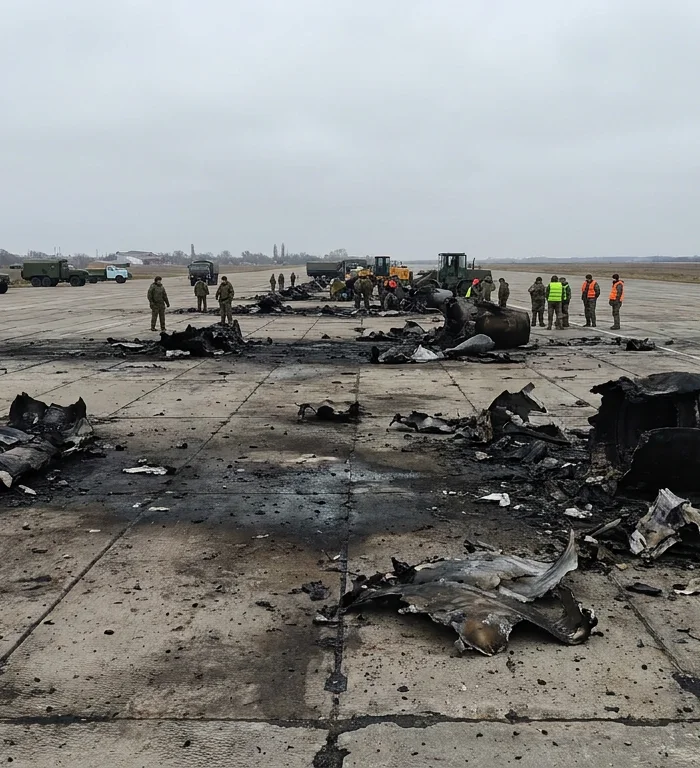
Ukraine's military struck Russia's Borisoglebsk air base on Oct. 15, destroying six parked Su-34M fighter-bombers in a reported Neptune missile attack. Reaction pending.
The reported hit matters because Su-34M aircraft are used for tactical strike missions, and the loss of six planes would raise the cost of Russia's air campaign if confirmed by official damage assessments.
Borisoglebsk runway losses
Officials said the attack used a domestically produced Neptune missile, the same Ukrainian weapon family associated with the April 2022 sinking of the Moskva warship. The latest reported target was an air base rather than a naval vessel, extending the system's use against Russian military infrastructure.
Satellite imagery was reported to show wreckage on the runway area after the strike. The aircraft were described as parked on the ground, a detail that would make the damage more about base protection and dispersal than an air-to-air loss.
The main uncertainty is confirmation. Russian authorities had not been cited with a damage account in the supplied material, and the reported destruction of six Su-34M jets rests on battlefield reporting and imagery claims rather than a jointly verified assessment.
If the reported losses hold, the macro effect is a further escalation in the Ukraine war's pressure on Russian military assets; for Russia's air force, the immediate issue is aircraft availability and base defense; for the wider defense sector, the mechanism is renewed attention to standoff missiles and airfield hardening.
If the figure is revised lower, the effect would shift toward a narrower signal about Ukraine's reach rather than a material aircraft loss. The next dated marker is Oct. 15, with any official Russian or Ukrainian damage statement in the following 24 hours likely to set the next public baseline.
More stories
- Norway panel backs nuclear arms exception for $2.2tn fund
- Javier Milei backs Flavio Bolsonaro in Brazil's run-off
- Wolfspeed faces dilution risk in $1.5bn Pentagon loan
- Iran targets Starlink with jail terms of up to 5 years
- Iran changes Hormuz attack tactics, senior officials say
- Ethiopian troops reach Zalambessa border town, sources say
- Kyiv drone strikes kill two as Trump talks yield no deal
- Trump says Iran tensions meeting at UN went well for US
Latest news
- Kotukh maps quantum side-channel edge to AES-128 rank 2^58.6
- IMF lifts Africa growth forecast to 4.5%, warns on debt
- McKinsey partner Bradley exits nonprofit as dispute widens
- AI stocks extend losses as CoreWeave drops 6% in premarket
- Trump's Iran war pledge links military claims to oil costs
- NEXANS request sets two-week wait for Cyprus cable surveys
- Fairfax wins Cabinet approval for ₹52,878 crore IDBI stake
- Poundland bosses back buyout for about 600 stores