

Uber Shifts Autonomous Strategy Following Waymo Partnership Dissolution
Waymo has ended its partnership with Uber, prompting the rideshare giant to accelerate its own autonomous fleet strategy while facing a $57 million tax…
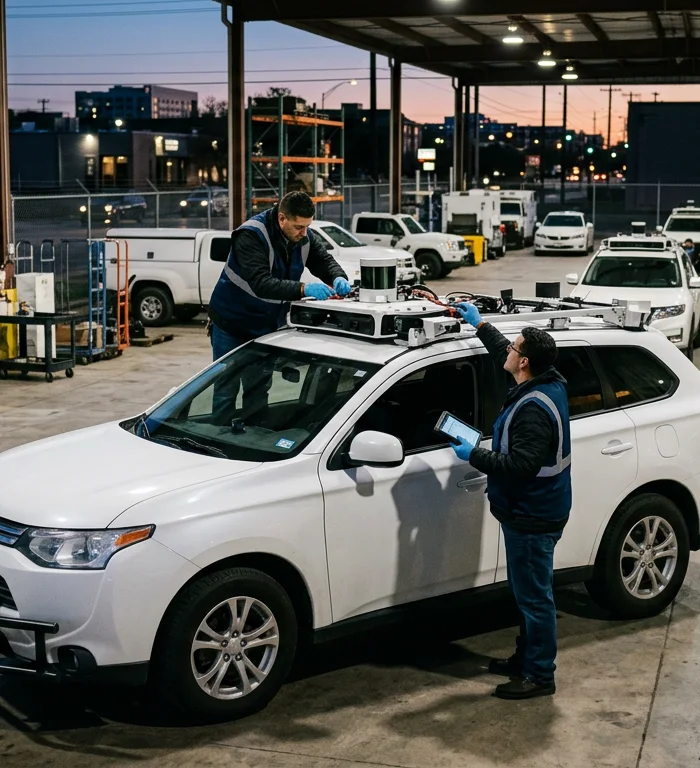
Waymo has terminated its partnership with Uber, ending the integration that allowed Uber users to book autonomous rides in Austin and Atlanta. The decision follows concerns regarding ride fulfillment rates, as Waymo sought greater control over the user experience and vehicle allocation. This development forces a strategic pivot for both firms as they navigate the commercialization of autonomous vehicle (AV) fleets.
Uber responded by asserting that its platform remains the most viable commercial host for third-party AV operators. The company reported that its existing infrastructure achieves approximately 30 percent higher vehicle utilization rates compared to proprietary autonomous apps. Management stated that this scale, combined with shared maintenance and charging efficiencies, provides a superior path to profitability for fleet operators, even after accounting for marketplace fees.
Uber plans to deploy approximately 2,000 autonomous vehicles in 2027, with a significant commercial expansion scheduled for 2028. The company intends to maintain an open platform while prioritizing integration resources for a select group of partners that demonstrate clear paths to economic maturity. This approach aims to maximize fleet profitability while diversifying the company’s reliance on third-party operators.
The High Court
Simultaneously, Uber faces mounting regulatory and fiscal risks regarding its labor model. The High Court of Australia recently ruled that the company must pay approximately $57 million in state payroll taxes, determining that payments to drivers constitute wages rather than independent contractor fees. As this ruling sets a significant legal precedent, it may influence similar litigation in other jurisdictions, potentially increasing the company’s global tax liabilities and operational costs.
These developments highlight a broader tension in the gig economy, where platform dominance is increasingly challenged by both regulatory scrutiny of labor practices and the strategic independence of technology partners. Investors should monitor whether Uber’s ability to scale its own autonomous fleet can offset potential margin compression resulting from global shifts in gig worker classification.
More stories
- Deal Sheet: Fortis shutdown costs over 400 jobs
- The Week in Games: GTA 6 turns attention into cash
- US data centres emit 25.7m tonnes of CO2, Harvard says
- German founders need 3,942 hours to open small business
- Leaked Deutsche Bank files test Sewing's reform narrative
- UAE employers plan 2.8% pay rises for 2027
- Emirates Group profit falls 66% as fuel costs rise
- Vietnam fintechs seek 5.2m household firms with digital loans
- Bharat Forge and Pratt & Whitney collaboration pushes UAV costs into long‑term support
- 570-student exam shows 'strict grader' prompts break open models; LoRA tuning restores parity
Latest news
- Trump prepares tariffs on China and other major exporters
- New-car buyers pay record average $50,087 in October
- Banks face ECB reserve debate over liquidity and profits
- Investors see Anthropic debut gains fade below $83 a share
- Iraq orders federal control over Kurdish-area oilfields
- Germans oppose Ukraine aid as poll shows support slipping
- Kim Jong-un receives 10 envoys after constitutional shift
- Ukraine claims Libya strike sinks Russian naval corvette