Tyra Banks Alleges Defamation in Netflix Lawsuit
Tyra Banks sues Netflix for defamation & manipulation of her testimony in an "America's Next Top Model" docuseries.
Sofia Reyes ·
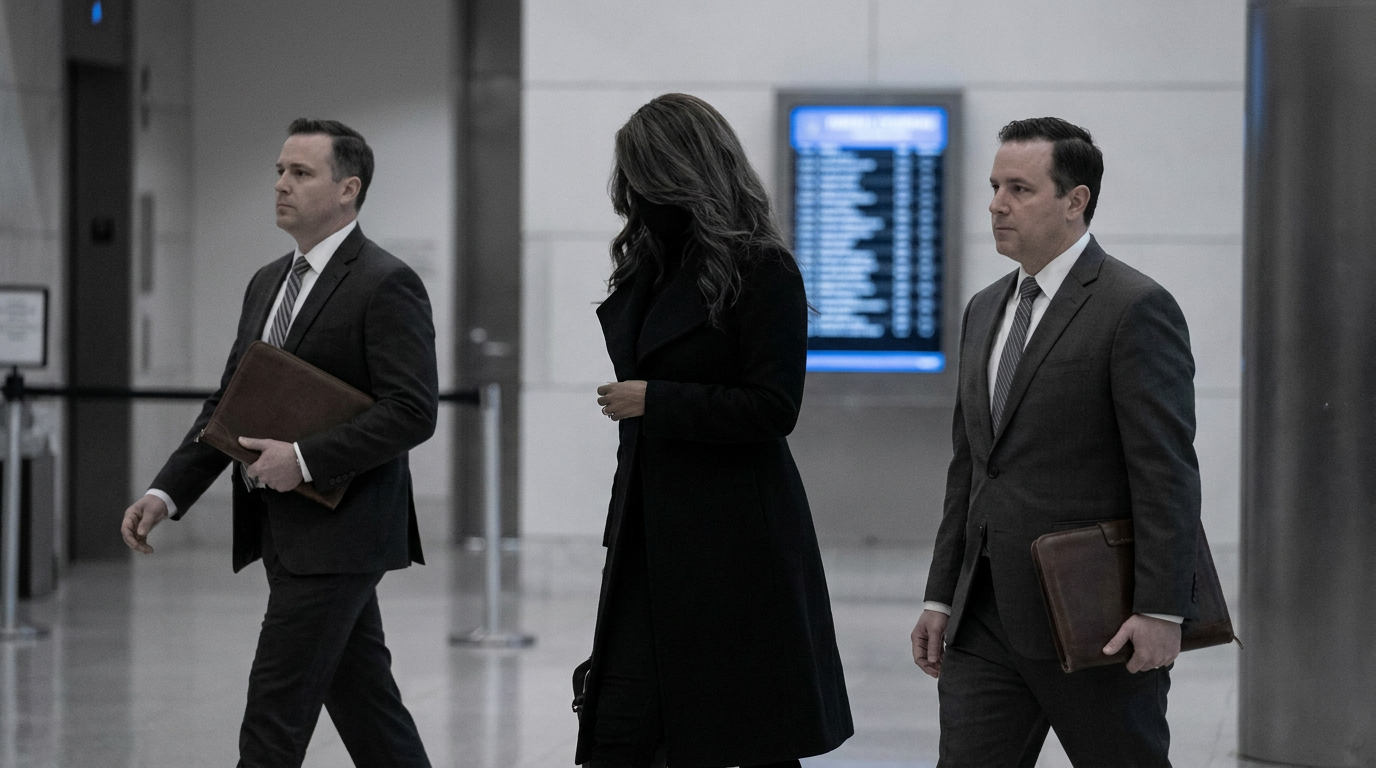
Tyra Banks has filed a lawsuit against Netflix, 89 Blocks Holdings, EverWonder Studio, Netflix Music, and co-directors Mor Loushy and Daniel Sivan. The action, initiated on Saturday, alleges false light, defamation by implication, breach of contract, and false endorsement.
The contention centers on the recent docuseries, "Reality Check: Inside America’s Next Top Model," which Banks claims misrepresented her contributions. Her legal team asserts that an extensive three-and-a-half-hour interview she provided was condensed to approximately 16 minutes.
Allegations of Misrepresentation
Banks's lawyers argue that the heavily edited footage was reassembled to construct a "false and defamatory narrative" that diverged significantly from her actual statements. The lawsuit specifically contends that instances where Banks took accountability for past issues on the show were omitted from the final cut.
This alleged selective editing, according to the filing, created an inaccurate portrayal of Banks's perspective and involvement. The legal action seeks to address the perceived damage to her reputation and professional standing resulting from the docuseries.
Background of the Docuseries
The docuseries, "Reality Check: Inside America’s Next Top Model," aimed to provide an inside look at the popular reality competition. It reportedly explored various aspects of the show's production and impact.
However, the current lawsuit introduces a critical challenge to the docuseries's portrayal of key figures and events. The legal team's claims highlight the potential for manipulation when extensive interviews are significantly truncated for a specific narrative.
Implications for Content Production
The lawsuit underscores the complexities of producing documentaries that feature high-profile individuals and sensitive topics. It raises questions about journalistic integrity, editorial control, and the potential for legal repercussions when subjects feel their perspectives have been distorted.
The outcome of this case could establish important precedents regarding the rights of interviewees in documentary filmmaking and the responsibilities of production companies in accurately representing source material. All named parties have been formally served with the complaint.