

Turkey’s 2027 health plan tests U.S. drug market access
Ankara’s push for local biotech and medical-device production puts procurement policy into a long-running bilateral trade dispute.
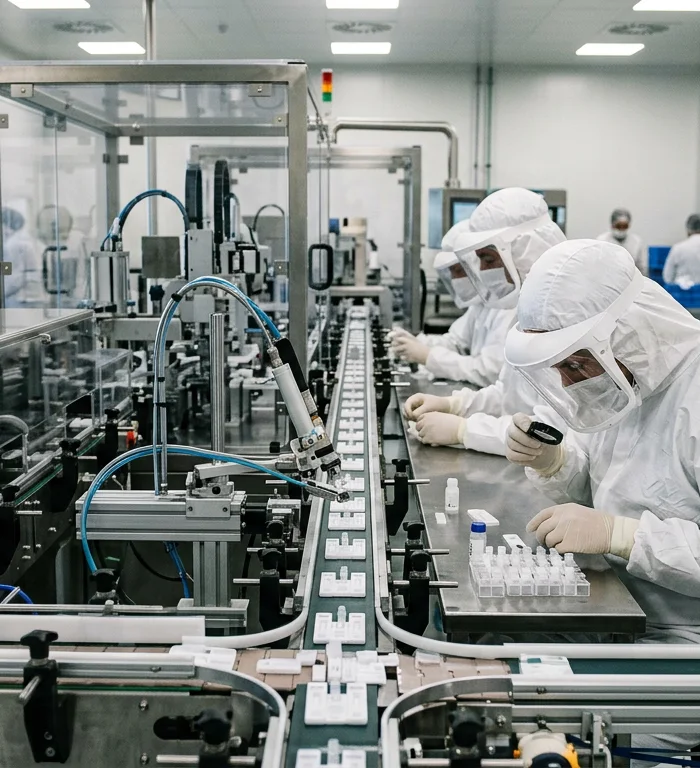
Turkey plans to use 2027 public procurement and state support to lift domestic drug and medical-device production, a Turkish media report said, putting health localization back on Washington’s trade radar.
The plan covers three areas: vaccine and biotech-drug projects, domestic cancer diagnostic kits and commercialization of innovative medical devices through public purchasing. For U.S. officials, the trade issue is whether state buying narrows access for foreign suppliers.
Ankara’s program fits a wider industrial policy push to cut import dependence in sectors it treats as strategic. Health care now sits beside defense and energy in Turkey’s effort to build domestic capacity and reduce exposure to foreign supply chains.
The U.S. Trade Representative has previously put Turkey on its Special 301 Watch List over pharmaceutical issues, including localization requirements, delayed good manufacturing practice certifications and reimbursement pricing caps. The Watch List is Washington’s annual tool for flagging trading partners whose intellectual-property or market-access rules draw U.S. concern.
That makes the 2027 roadmap more than a domestic health-policy document. If Turkish ministries steer hospital purchases toward local cancer tests or domestically commercialized devices, U.S. and multinational suppliers may argue that procurement rules are being used as an industrial subsidy.
Trade Representative
The most exposed companies are likely to be makers of branded medicines, biologics, diagnostics and hospital equipment. Turkey remains an important emerging market for those groups, while its reimbursement system and currency swings already compress foreign firms’ local margins.
For the White House, the timing is awkward. Washington has sought steadier commercial ties with Ankara while managing disputes over defense procurement, sanctions policy and regional security. A new health-sector fight would give Congress and USTR another channel to press Turkey on market access.
The other side is that Turkey can argue the program is about supply security, not exclusion. The pandemic strengthened the case for local production of vaccines, diagnostic tools and critical medical devices, especially for countries that faced delays or export controls during global shortages.
The test will be in the implementation. If 2027 rules give Turkish products price preferences, guaranteed tenders or reimbursement advantages, U.S. trade officials and industry groups have a clearer basis to treat the roadmap as a barrier.
If the support stays limited to research funding, partnerships and neutral commercialization grants, the dispute may stay below the level of a formal trade fight.
More stories
- Eisenkot secures first coalition deal but lacks majority
- Germans oppose Ukraine aid as poll shows support slipping
- Kim Jong-un receives 10 envoys after constitutional shift
- Ukraine claims Libya strike sinks Russian naval corvette
- COP31 climate talks collapse over fossil fuels and funds
- Russian military faces 1,087 recorded suicides in Ukraine war
- ICN warns on misinformation after Congo Ebola nurse killing
- Ukraine rail attacks expose Dnipro passenger safety risks
- Rayner backs Burnham over UK-EU free-movement debate
- Machado returns to Venezuela, testing Rodríguez’s opening
Latest news
- Trump prepares tariffs on China and other major exporters
- New-car buyers pay record average $50,087 in October
- Banks face ECB reserve debate over liquidity and profits
- Investors see Anthropic debut gains fade below $83 a share
- Iraq orders federal control over Kurdish-area oilfields
- Nvidia shares retreat as AI rally cools before PCE data