

Turkey pension push for post-1999 workers tests fiscal line
Yeni Parti’s proposal reopens an early-retirement fight as Ankara courts Western investors and defends fiscal tightening.
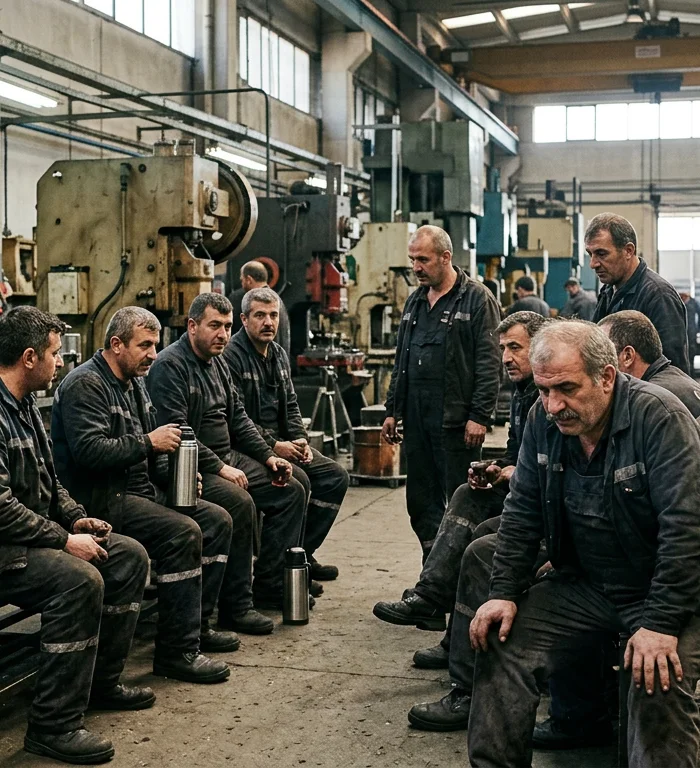
Yeni Parti submitted a gradual-retirement bill in Turkey's parliament this week for workers first insured between Sept. 9, 1999, and April 30, 2008, a news report said.
The proposal matters beyond Turkish labor policy because the 2023 EYT retirement change added more than 2 million pensioners, deepening pressure on a budget now central to Treasury and Finance Minister Mehmet Şimşek's consolidation drive.
The bill targets workers excluded from EYT, short for Emeklilikte Yaşa Takılanlar, the group affected by prior changes to Turkey's retirement age rules. It was sent to the relevant parliamentary commission, where supporters want formal work to begin.
For Washington, the issue is a fiscal signal. US officials and investors track Turkey's economic stability because financial stress can constrain Ankara's defense modernization, its regional posture and its ability to sustain rapprochement with Western capital markets.
Şimşek has made tighter public finances a core part of Turkey's effort to restore investor confidence after years of inflation and market volatility. A second early-retirement channel would test how far that program can hold when parliamentary pressure builds around household income and social benefits.
Yeni Parti
The immediate uncertainty is political rather than technical. The bill has entered the parliamentary process, but passage would depend on whether the ruling AK Party and MHP bloc allows committee momentum or keeps the proposal bottled up.
If the coalition shelves or delays the measure, the result would support Şimşek's fiscal red lines and reassure investors watching Turkey's sovereign risk.
If the government signals a compromise, the mechanism would run through higher pension obligations, wider budget pressure and renewed scrutiny from Western market analysts.
The next observable step is whether the committee process produces a ruling-bloc endorsement, rejection or delay. That decision will determine whether the proposal stays a populist challenge or becomes a fiscal event for Ankara's economic program.
More stories
- Trump prepares tariffs on China and other major exporters
- Banks face ECB reserve debate over liquidity and profits
- Investors see Anthropic debut gains fade below $83 a share
- Iraq orders federal control over Kurdish-area oilfields
- Nvidia shares retreat as AI rally cools before PCE data
- Nvidia board gets Trump input on Jensen Huang return as CEO
- Greece targets 2.3% growth in 2027 budget
- US stocks face Goldman warning on further forced selling
- EIA raises 2026 Brent forecast to $97.44 a barrel
- Greece plans 12-year rent path for debtors facing foreclosure