

Trump Lifts Russia Sanctions Following Graham Act Mandate
President Trump waives sanctions and tariffs on Russia under the Graham Act, prompting criticism from Ukraine and opposition from US lawmakers.
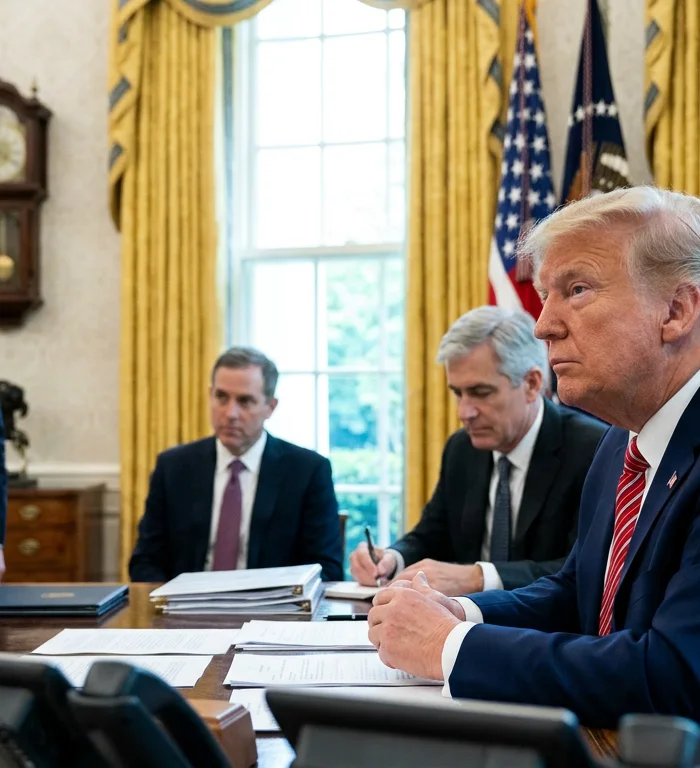
President Donald Trump has signed an executive directive waiving key economic penalties and import levies targeted at Russia, effectively halting enforcement of the Graham Act. The statutory measure, formally enacted in September 2026, had instituted extensive restrictions aimed at Russian energy shipments and cross-border commercial transactions. The administration cited national interest as the primary justification for granting the relief.
By utilizing executive discretion, the White House has paused federal measures that mandated substantial financial consequences for commercial interactions with Moscow. The administrative action alters immediate bilateral regulatory enforcement, halting the mechanisms designed to restrict commercial revenue streams between the two countries.
Indefinite Pause on Energy Penalties
The Graham Act was crafted under the leadership of its primary legislative backer, the late Senator Lindsey Graham, to curtail economic exchanges with Moscow through compulsory federal restrictions. The legislation mandated stringent penalties on energy imports and general trade. Under the newly issued executive order, however, these statutory penalties will remain inactive indefinitely while undergoing additional executive branch evaluation.
The suspension prompted formal objections from Ukrainian state leadership, which argued that softening economic restrictions compromises ongoing efforts aimed at discouraging Russian military actions. Representatives in Kyiv expressed concern that the waiver points toward a broader decline in American backing, emphasizing the strategic vulnerability that emerged following the death of the lawmaker who originally sponsored the sanctions bill.
Divergent Responses from Moscow and Washington
In contrast to the response from Kyiv, economic officials in Moscow welcomed the announcement, describing the removal of trade barriers as a significant step toward expanding mutual economic engagement. Russian officials stated that lifting the punitive measures creates meaningful opportunities for bilateral economic cooperation between both nations.
Within the United States, domestic political opposition challenged the decree, asserting that the waiver represents a departure from established legislative intent concerning diplomatic strategy and national security. For now, the policy pause remains operational without an expiration date, leaving federal enforcement of the Graham Act suspended pending future administrative assessments.
More stories
- Egypt offers Saudi defense help, seeks parliament's role
- Magyar puts Hungary's euro plans before first budget test
- Israeli settlers attack West Bank olive harvest, hurt two
- Zelenskyy says Starshield limits weaken Ukraine defenses
- Macua's Rutledge challenges mining boom after R1 trillion profit
- WHO backs Kenya Ebola response after second case
- Global stocks fall as U.S.-Iran strikes push oil higher
- Oil prices hold near highs as Hormuz supply risks rise again
Latest news
- Wall squats may lower blood pressure after four weeks
- 8-hour eating windows beat controls by 5 pounds in TRE trials
- Researchers link diabetic ulcers to stalled immune repair
- Loneliness and isolation linked to 5.8 fewer healthy years
- Weiss warns of breast cancer care gap after treatment
- CoreWeave gains ARK backing as borrowing concerns persist
- DeepSeek updates AI model as speed and cost rivalry grows
- CoreWeave bond yields hit 15% as AI funding doubts deepen