

Trilateral Summit Between US, China, and Russia Commences in Shenzhen
The leaders of the US, China, and Russia have met in Shenzhen for a trilateral summit, raising concerns among smaller nations about potential shifts in…
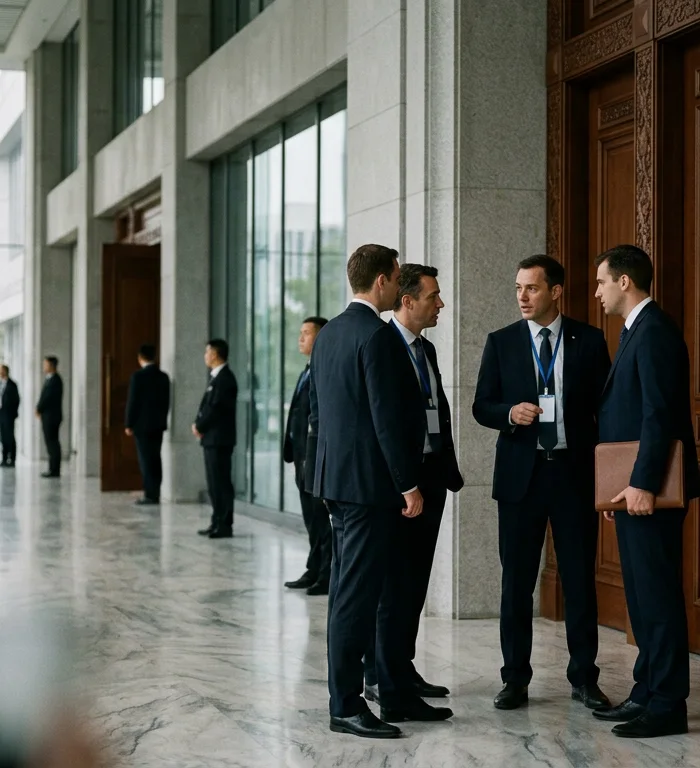
The leaders of the United States, China, and Russia have convened for a trilateral summit in Shenzhen, China, coinciding with the Asia-Pacific Economic Cooperation (APEC) forum. While the meeting is characterized by high-level diplomatic pageantry, analysts indicate that the gathering is unlikely to yield substantive policy agreements or formal treaties. The event serves primarily as a platform for the three nuclear powers to project influence, though the optics of the summit have raised concerns among smaller regional nations regarding the potential marginalization of their strategic interests.
Ahead of the formal proceedings, the Chinese administration provided a high-profile reception for the US delegation, which contrasted with the more standard protocols afforded to other visiting heads of state. This diplomatic signaling follows recent rhetoric from both Beijing and Moscow criticizing Western trade protectionism and the imposition of international sanctions. The alignment of these positions suggests a coordinated effort to challenge current global economic frameworks, particularly regarding industrial policy and trade imbalances.
United States
During the summit, the US administration reaffirmed its commitment to maintaining a long-term presence in the Pacific region while emphasizing the strength of the domestic economy. Discussions also touched upon the governance of artificial intelligence, with the US signaling a preference for limited regulation to avoid stifling technological innovation. Conversely, the Russian leadership utilized the forum to emphasize its role in regional food and energy security, despite ongoing geopolitical pressures related to the conflict in Ukraine.
For policymakers, the primary risk remains the potential for a shift in the regional balance of power. The trilateral nature of these discussions suggests a move toward a multipolar diplomatic environment that may complicate existing security alliances. Observers should monitor whether the lack of formal outcomes leads to increased bilateral friction or if the summit marks the beginning of a more structured, albeit informal, dialogue between the three nations regarding global trade and technological standards.
More stories
- Germans oppose Ukraine aid as poll shows support slipping
- Kim Jong-un receives 10 envoys after constitutional shift
- Ukraine claims Libya strike sinks Russian naval corvette
- COP31 climate talks collapse over fossil fuels and funds
- Russian military faces 1,087 recorded suicides in Ukraine war
- US faces China, Russia in Africa minerals contest
- Russian man faces 15 years over alleged Palantir spying
- BN-PN takes 24 of 28 Melaka seats
- Paraguay president falls as Ueno Bank customers queue up
- Pedro Alliana takes Paraguay presidency after bank crisis
Latest news
- Trump prepares tariffs on China and other major exporters
- New-car buyers pay record average $50,087 in October
- Banks face ECB reserve debate over liquidity and profits
- Investors see Anthropic debut gains fade below $83 a share
- Iraq orders federal control over Kurdish-area oilfields
- Nvidia shares retreat as AI rally cools before PCE data
- Macy’s parade faces balloon limits as storm winds approach