

Trump Russia sanctions waiver tests GOP midterm message
President Trump waived parts of Russia sanctions law, easing pressure on Moscow and putting Republicans on defense before the midterm sprint.
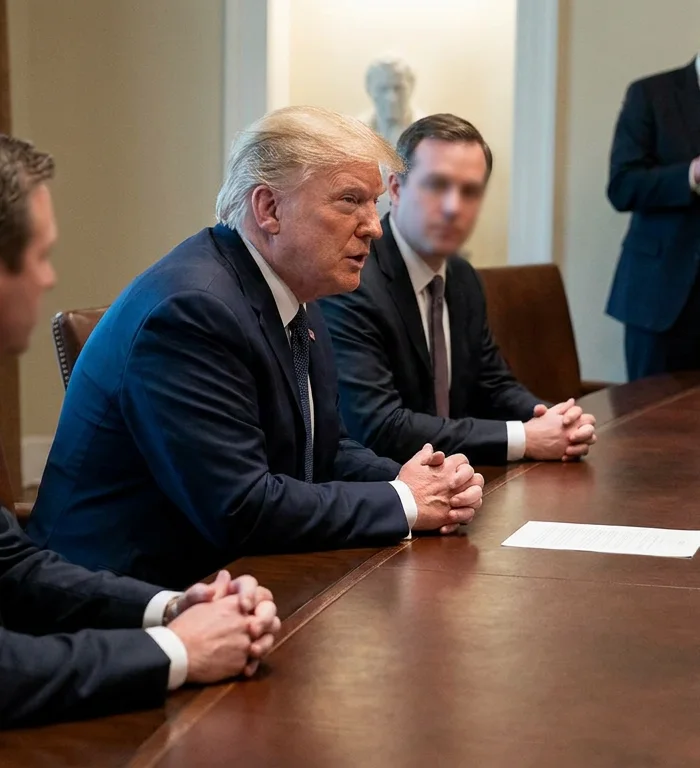
Trump Russia sanctions relief widened late Friday with a waiver tied to a law he signed in September. The move tests Republicans before midterms.
The White House released an executive order late Friday detailing how it will implement the Lindsey O. Graham Sanctioning Russia and Iran Act. The order says Trump sent Congress a certification that a waiver is in US national interests, a step that allows the administration to hold back sanctions Congress authorized.
Friday order cites waiver power
Trump signed the act in September after lawmakers imposed broad new measures on Russia and on countries doing business with it. The law covers buyers of Russian oil, and the order quotes a provision permitting the president to waive any sanctions provision, restriction or duty.
"I have submitted to the Congress a certification that the issuance of such a waiver at this time is in the national interests of the United States," Trump said in the order. That makes the waiver a formal use of discretion written into the sanctions law, rather than an attempt to ignore the statute outright.
Diesel deal adds political strain
The order followed Trump's agreement a week earlier to let Russia sell diesel internationally. The diesel decision drew criticism from Republicans as well as Democrats, putting GOP candidates in the final midterm sprint alongside a White House posture that diverges from much of Congress's Russia policy.
Democrats quickly framed the waiver as a reversal of Congress's intent. Rep. Don Beyer of Virginia wrote on X that "Trump's latest surrender to Putin again betrays our Ukrainian partners and defies clear congressional intent of legislation designed to punish Russia for its illegal war of aggression."
Sen. Richard Blumenthal of Connecticut said on X that the waivers "have nothing to do with our national security, & everything to do with sucking up to Vladimir Putin." He added that he hoped Republican colleagues would condemn what he called a "craven, cowardly action."
Oil buyers avoid added pressure
By waiving the Graham Act's secondary sanctions, Trump also avoids putting new pressure on China and India, major buyers of Russian oil. Secondary sanctions under the act reach beyond Russia itself by targeting countries and foreign persons that keep doing business with Moscow.
The decision therefore has an energy-trade channel as well as a diplomatic one. If the waiver holds, Russian oil and diesel flows face less immediate US sanction pressure; if Congress challenges the waiver politically, the pressure shifts back onto Republican candidates and lawmakers asked to defend Trump's discretion.
Ukraine and Starlink widen dispute
The sanctions waiver is part of a broader set of Russia-related moves described in the same week. Trump also faced a fight over Ukraine's ability to use Starlink to defend itself against Russian munitions and publicly denied Russian involvement in the Iran war.
Those episodes point to a wider repositioning by the White House rather than a one-off sanctions decision. Under the waiver, Russia and its trading partners gain room from eased US pressure; the political cost falls first on lawmakers who supported the Graham Act and now must explain why its tools are being waived.
For Ukraine, the main uncertainty is whether sanctions relief and the Starlink dispute remain separate policy fights or become part of a broader reduction in US pressure on Moscow. For energy markets, the key variable is whether buyers read the waiver as a durable signal or a temporary use of presidential discretion.
If the administration keeps the waiver in place, global macro effects would run through Russian energy supply and the willingness of China and India to maintain purchases without additional US penalties. If the White House narrows or reverses the waiver, the same mechanism would tighten pressure on Russian oil revenue and revive compliance risk for firms and countries exposed to that trade.
The next institutional checkpoint is Congress, which received Trump's national-interest certification and now has a record to contest or accept. The political question is whether Republican resistance to Russia sanctions relief stays rhetorical or turns into action against a president from their own party.
More stories
- Egypt offers Saudi defense help, seeks parliament's role
- Magyar puts Hungary's euro plans before first budget test
- Israeli settlers attack West Bank olive harvest, hurt two
- Zelenskyy says Starshield limits weaken Ukraine defenses
- Macua's Rutledge challenges mining boom after R1 trillion profit
- WHO backs Kenya Ebola response after second case
- Pope Leo presses Putin for safe routes for 2,000 in Oleshky
- Otzma Yehudit gains ground with 8 seats before Israel vote
- Nicaragua quits regional parliament after OAS rights vote
- Runoff risk shadows Brazil election as Lula seeks term bid
Latest news
- Wall squats may lower blood pressure after four weeks
- 8-hour eating windows beat controls by 5 pounds in TRE trials
- Researchers link diabetic ulcers to stalled immune repair
- Loneliness and isolation linked to 5.8 fewer healthy years
- Weiss warns of breast cancer care gap after treatment
- CoreWeave gains ARK backing as borrowing concerns persist
- DeepSeek updates AI model as speed and cost rivalry grows
- CoreWeave bond yields hit 15% as AI funding doubts deepen