

World Leaders Gather for High-Stakes Global Security Summit
The US, China, and Russia held their first trilateral summit in Shenzhen to discuss nuclear arms control, the Ukraine conflict, and the ICC, signaling a…
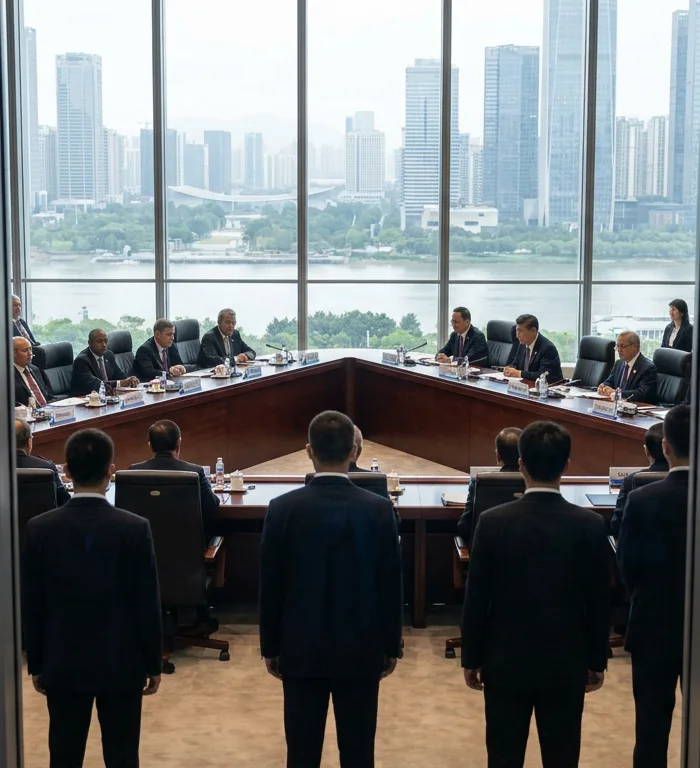
The leaders of the United States, China, and Russia have concluded the first trilateral summit between the three nations, held on the sidelines of the APEC summit in Shenzhen. The discussions focused on three primary geopolitical pillars: nuclear arms control, the cessation of hostilities in Ukraine, and the status of the International Criminal Court (ICC).
The inclusion of the ICC on the agenda is particularly significant given the existing arrest warrant issued by the court for the Russian president. The meeting signals a potential shift in diplomatic engagement, as the three powers seek to establish a framework for direct communication on high-stakes security issues outside of traditional multilateral forums.
United States
The absence of European representation at these talks has generated concern among Western allies regarding the potential for a new global security architecture that excludes European interests. By bypassing established diplomatic channels, the participants have effectively signaled a move toward a tri-polar negotiation model for managing international conflicts.
Analysts are monitoring the implications for existing security alliances, specifically whether this meeting indicates a long-term shift in US foreign policy toward bilateral or trilateral arrangements with major adversaries. The focus on nuclear arms control suggests that the three nations are attempting to stabilize strategic competition, though the lack of transparency regarding the specific outcomes of the Ukraine discussions remains a point of instability for regional partners.
Future developments to watch include the potential for follow-up summits and whether this format will be institutionalized as a primary mechanism for global crisis management. Policymakers should assess the impact of this shift on the cohesion of NATO and other regional security pacts, as the exclusion of European stakeholders may necessitate a recalibration of transatlantic security strategies.
More stories
- Germans oppose Ukraine aid as poll shows support slipping
- Kim Jong-un receives 10 envoys after constitutional shift
- Ukraine claims Libya strike sinks Russian naval corvette
- COP31 climate talks collapse over fossil fuels and funds
- Russian military faces 1,087 recorded suicides in Ukraine war
- US faces China, Russia in Africa minerals contest
- Spain opens 200m-voter test for Europe's right
- Saudi event season faces EASA airspace warning to Jan. 31
- Saudi tourism faces Houthi threat after 13 killed at airport
- Singapore court jails Cambodia scam recruit for 14 months and two weeks
Latest news
- Trump prepares tariffs on China and other major exporters
- New-car buyers pay record average $50,087 in October
- Banks face ECB reserve debate over liquidity and profits
- Investors see Anthropic debut gains fade below $83 a share
- Iraq orders federal control over Kurdish-area oilfields
- Nvidia shares retreat as AI rally cools before PCE data
- Macy’s parade faces balloon limits as storm winds approach