Three sisters in Uttar Pradesh marry the same man, citing desire to stay together
A report from Uttar Pradesh’s Amroha district says three sisters married the same man, explaining they did not want to be separated after marriage.
Mei Lin ·
# Three sisters in Uttar Pradesh marry the same man, citing desire to stay together
A report datelined from Uttar Pradesh’s Amroha district says three sisters married the same man, telling local interlocutors they could not accept the idea of living apart after marriage. The case has drawn wide attention online because it runs against common marital norms and raises questions about what local authorities do next, if anything.
Amroha sits in western Uttar Pradesh
Amroha sits in western Uttar Pradesh, India’s most populous state, where marriage practices are shaped by religion, caste, and community custom, alongside national and state laws. While India legally recognises monogamy for most citizens, personal laws and local practices can create confusion for the public about what is customary versus what is legally permissible.
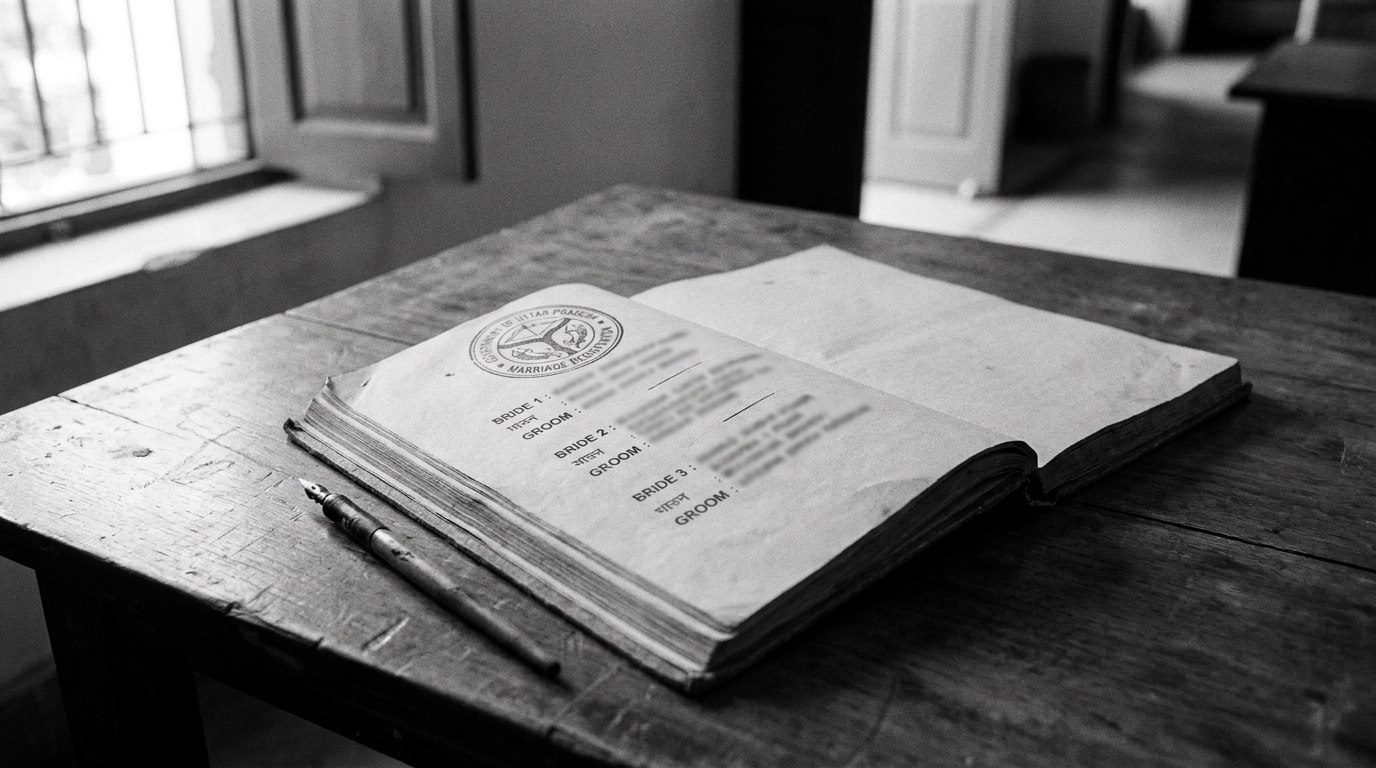
The report frames the decision as driven by family preference and the sisters’ desire to remain in the same household after marriage. It does not, in the material provided, identify a court filing, a marriage registration document, or a formal statement from district officials confirming the legal status of the marriage.
Beyond its viral appeal, the story touches a sensitive fault line in India: the gap between social practice and formal legal frameworks. If local officials are asked to verify or register the marriage, the case could test how district administrations handle unconventional domestic arrangements, especially when public scrutiny is high.
Uttar Pradesh
The episode also travels quickly through the region’s social media ecosystem, where such stories can inflame misinformation or communal narratives. That can create second-order consequences, from local law-and-order concerns to broader debates about women’s agency, consent, and the role of the state in private life.
By 2026-08-15, watch for a verifiable action by Amroha district authorities or Uttar Pradesh police: a public statement, a case registration, or documentation clarifying whether the marriage was registered under applicable law. If officials confirm the marriage is legally registered without dispute, the story is likely to remain a cultural curiosity; if authorities deny registration or open an inquiry, it could shift into a governance and legal-enforcement story with wider ripple effects online.