

Military Initiates $73 Million Program to Develop Shelf-Stable Synthetic Blood
The U.S. military is investing $73 million into the RAPIID program to develop shelf-stable synthetic blood products by 2029, aiming to reduce preventable…
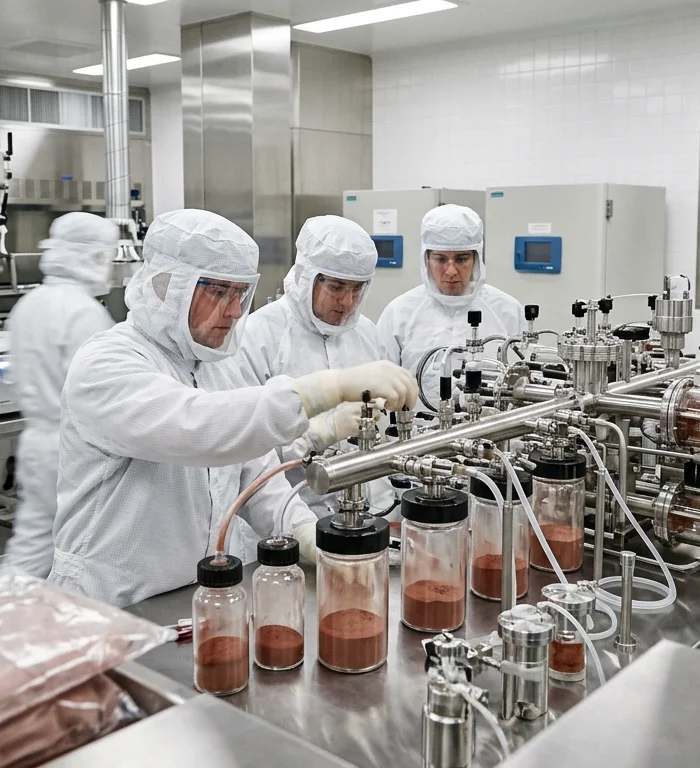
The U.S. Department of Defense has launched a $73 million initiative, known as RAPIID (Resuscitation and Prevention of Ischemia-Induced Dysfunction), to develop shelf-stable substitutes for human blood components. The program aims to produce synthetic or stabilized versions of plasma, platelets, and red blood cells that can be stored for extended periods without refrigeration. This effort seeks to address critical logistics failures in combat zones, where the current 35-day shelf life of refrigerated blood often results in supply shortages during emergency operations.
Data indicates that approximately 90% of preventable battlefield fatalities are caused by hemorrhage. Clinical research suggests that trauma patients requiring transfusions have a 36-minute window for intervention to significantly improve survival rates. Current supply chain limitations, including the inability to maintain cold-chain integrity in hostile environments, frequently prevent medical personnel from meeting this threshold.
Induced Dysfunction
The RAPIID program builds upon previous research, including a $47.5 million project focused on bio-artificial resuscitation products. The current objective is to coordinate parallel clinical trials with the Food and Drug Administration to achieve field deployment of these dried blood products by 2029. Success in this initiative would mitigate the risks associated with "blood runs," which require high-risk aerial resupply missions to transport perishable medical assets to front-line field hospitals.
Beyond military applications, the development of shelf-stable blood products addresses a broader systemic issue in trauma medicine. Estimates suggest that blood shortages contribute to approximately 10,000 preventable deaths annually in the United States alone. By eliminating the reliance on donor-derived, temperature-sensitive blood, the military aims to establish a more resilient medical supply chain capable of responding to mass-casualty events where traditional blood banking infrastructure is unavailable or inaccessible.
More stories
- Germans oppose Ukraine aid as poll shows support slipping
- Kim Jong-un receives 10 envoys after constitutional shift
- Ukraine claims Libya strike sinks Russian naval corvette
- COP31 climate talks collapse over fossil fuels and funds
- Russian military faces 1,087 recorded suicides in Ukraine war
- US faces China, Russia in Africa minerals contest
- Lulu Retail posts 2% Q3 revenue gain with 53% online sales growth
- Hoax bomb threats disrupt 25 Europe flights
Latest news
- Trump prepares tariffs on China and other major exporters
- New-car buyers pay record average $50,087 in October
- Banks face ECB reserve debate over liquidity and profits
- Investors see Anthropic debut gains fade below $83 a share
- Iraq orders federal control over Kurdish-area oilfields
- Nvidia shares retreat as AI rally cools before PCE data
- Macy’s parade faces balloon limits as storm winds approach